Chinese expert sees sharp rise in Vietnam’s global standing after 4-decade reform

VOV.VN - After 40 years of reform, Vietnam has made a remarkable leap in its international standing, transforming from a closed economy into a key link in regional and global supply chains, according to Xu Ningning, Chairman of the Regional Comprehensive Economic Partnership (RCEP) Industry Cooperation Committee.
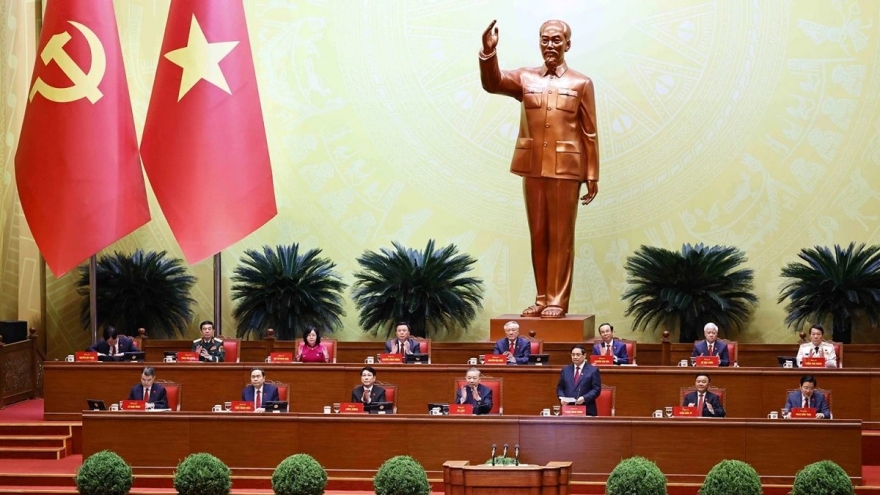
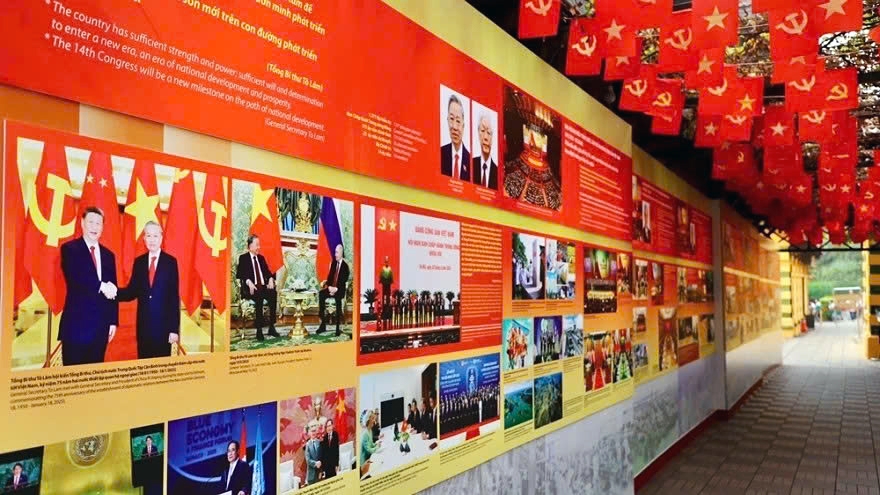
In this context, the 14th National Congress of the Communist Party of Vietnam represents a historic milestone, marking the country’s entry into a new era of development, Xu said in a recent interview with Beijing-based VOV correspondents.

Xu noted that the 14th Party Congress is being held at a pivotal moment and will play a decisive role in shaping Vietnam’s long-term development trajectory. The Congress is widely seen as the starting point of a new era of national advancement, clarifying strategic orientations to realise Vietnam’s goals of becoming a developing country with modern industry and upper-middle income by 2030, and a high-income developed economy by 2045.
From a domestic perspective, Xu said the Congress is expected to help consolidate social consensus, address structural bottlenecks in development, and reinforce economic recovery and growth momentum. Internationally, the development and cooperation orientations set out at the Congress are likely to strengthen global confidence, create new momentum for investment attraction, and enable Vietnam to integrate more deeply into regional industrial and supply chains, thereby expanding cooperation space and enhancing its role within the RCEP framework.
Commenting on Vietnam’s long-term strategic goals, Xu expressed particular admiration for the country’s vision toward 2030 and 2045. He said these targets are grounded in Vietnam’s practical conditions while demonstrating strong long-term vision and determination to pursue structural reforms for sustainable prosperity. Upgrading industrial chains, promoting technological innovation and developing infrastructure are identified as key pillars, closely aligned with cooperation priorities under the RCEP and offering mutual benefits for Vietnam and the wider region.
On foreign policy, Xu highlighted Vietnam’s approach of independence, self-reliance, multilateralisation, diversification and proactive, effective international integration as a continuation and development of its diplomatic thinking over four decades of Đổi mới (Renewal). This strategy, he said, has helped Vietnam maintain a stable external environment while deepening its integration into the global economy based on multilateralism and regional cooperation.
Xu observed that Vietnam’s international standing has undergone a qualitative leap, as reflected in its diplomatic relations with 194 countries, an extensive network of strategic partnerships with major powers, its position among the world’s top 15 trading nations, second place within ASEAN, and its emergence as an important hub in regional supply chains. Vietnam has also actively participated in multilateral mechanisms such as ASEAN and the Lancang–Mekong Cooperation framework, making tangible contributions to regional peace, stability and trade liberalization.
Assessing economic prospects, Xu praised Vietnam’s GDP growth of 8.02% in 2025, calling it clear evidence of the economy’s resilience and recovery capacity amid global uncertainties. Manufacturing, exports and foreign direct investment continue to serve as key growth drivers, while domestic consumption and business vitality have shown marked improvement.
Regarding Vietnam’s target of achieving growth above 10% in 2026, Xu said the country would need to implement a comprehensive set of measures. These include making more effective use of free trade agreements such as RCEP and the China–ASEAN Free Trade Area 3.0; strengthening coordination across industrial and supply chains; and attracting high-tech investment and accelerating digital transformation. It’s also imperative to boost transport and energy infrastructure development; expand domestic demand, maintain stable foreign capital inflows; and deepen industrial connectivity with regional partners, particularly by leveraging complementarities between Chinese and Vietnamese industrial chains.
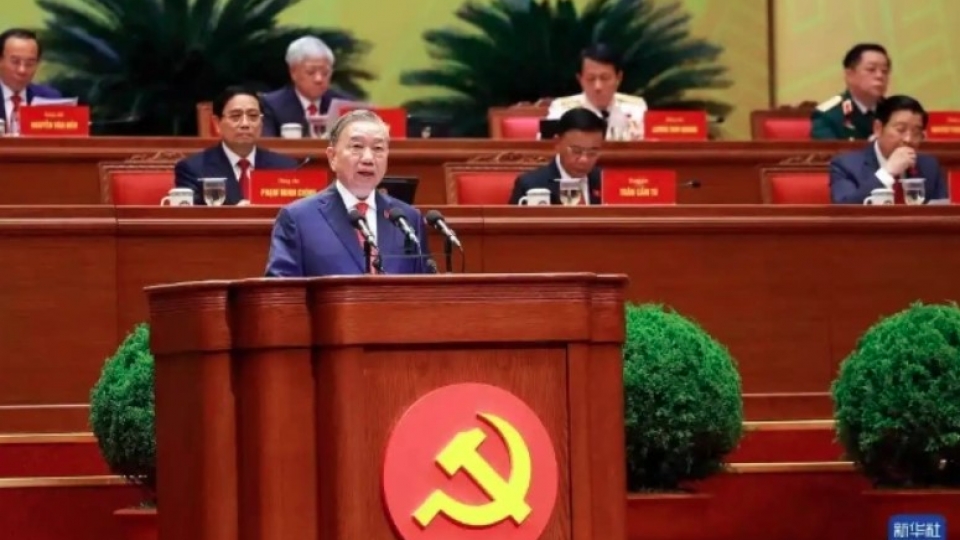
Chinese media show strong interest in 14th National Party Congress
VOV.VN - On January 19 and 20, Chinese media outlets carried updates on the 14th National Congress of the Communist Party of Vietnam, describing it as one of the world’s notable events of the week.