Vietnam shifts focus from resolutions to effective execution and governance

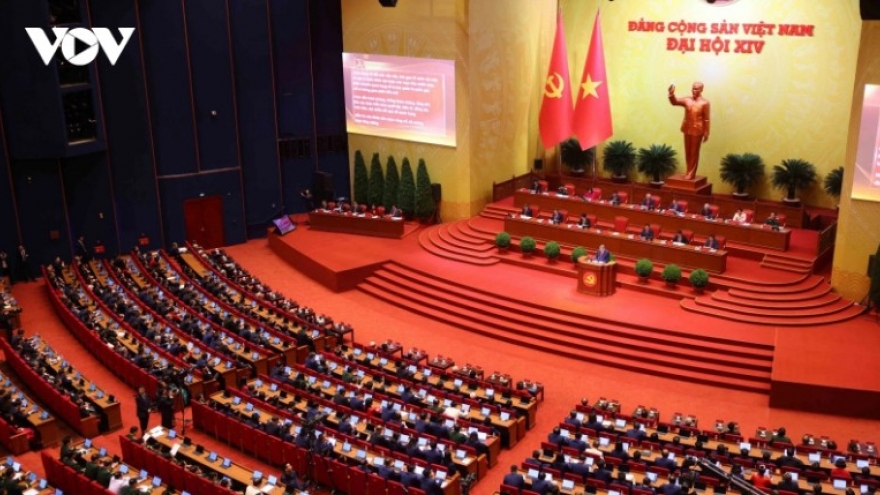
VOV.VN - Vietnam’s top leadership has signalled a strategic shift from policy formulation to effective implementation and results-based governance, as the Communist Party of Vietnam convenes its 14th National Congress.
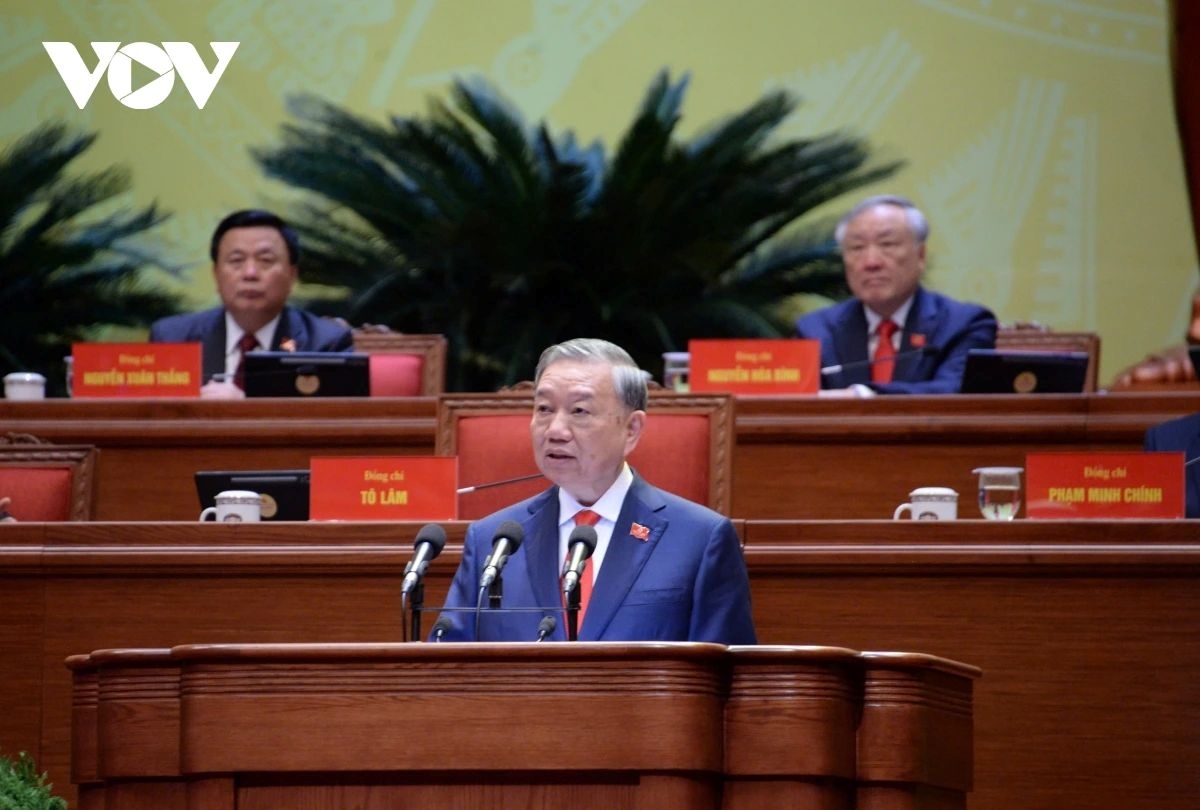
Presenting key documents of the Party’s 13th Central Committee at the opening session, Party General Secretary To Lam underscored a clear governing principle: “Less talk, more action, and follow through to the end.” Analysts said the message reflects a deeper transformation in leadership thinking, moving from a resolution-driven approach to one centred on execution, accountability and governance effectiveness.
Acknowledging weaknesses as a sign of substantive reform
The political report candidly identifies a long-standing weakness that many policies have been well designed but poorly implemented. Experts said such self-assessment reflects a willingness to confront shortcomings directly rather than deflect responsibility - a key attribute of meaningful institutional reform.
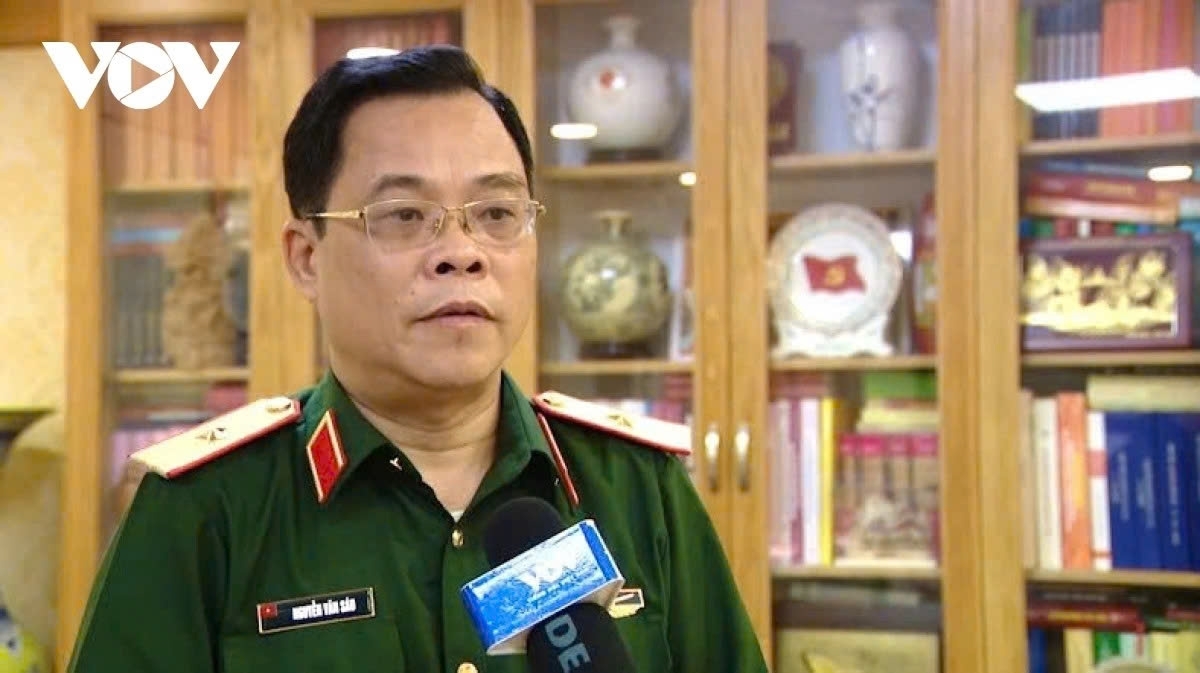
Associate Professor Dr. Nguyen Van Sau, a senior military scholar and deputy head of the Institute for Military Strategy and History, said the emphasis on “less talk, more action, and follow-through” holds both theoretical and practical significance.
This is not merely a summary assessment drawn from experience, but a clear orientation for the leadership and governance approach of the Communist Party of Vietnam in the country’s new stage of development. The General Secretary’s candid acknowledgment demonstrates a spirit of facing reality squarely, speaking the truth, and assessing the truth accurately without evading shortcomings or weaknesses. This is a core quality of a genuinely revolutionary party.
“In reality, many sound resolutions with long-term vision have lost effectiveness during implementation, diluted by administrative layers and weak execution,” he analysed. “Recognising this as the biggest weakness shows a shift toward genuine reform - not only in policy content, but in how policies are carried out.”
The official stressed that “less talk” does not mean diminishing the role of theory or strategic vision. Rather, it calls for clearer priorities, realistic targets and policies aligned with implementation capacity and available resources.
In the current context, he warned that lengthy resolutions with broad objectives and ambitious slogans, but without clear execution mechanisms, risk remaining effective only on paper. The new approach places greater emphasis on governance logic, requiring each objective to be accompanied by timelines, instruments, accountability and measurable outcomes.
‘More action’ - shifting the centre of gravity to execution
While “less talk” targets the planning stage, “more action” places responsibility squarely on those tasked with implementation. The political report stresses accountability at every level, signalling a shift from issuing directives to delivering outcomes.
According to Assoc. Prof. Dr. Nguyen Van Sau, “more action” does not mean working in a scattered or indiscriminate manner, but rather acting with clear priorities and focus, daring to take responsibility, daring to make decisions, and daring to accept inspection and supervision.
“Action must be focused and decisive,” Assoc. Prof. Dr. Sau said. “It requires officials who are willing to make decisions, take responsibility, accept scrutiny and deliver tangible results.”
This, he added, underscores the need for a professional civil service with strong political integrity, practical competence and public-service ethics – the core requirements for modern national governance.
‘Follow-through’ - the benchmark of effective governance
The call to “follow-through” is widely seen as a direct response to a common implementation gap that high-profile launches followed by weak monitoring, inconsistent enforcement and limited evaluation.
Analysts said effective follow-through requires robust inspection and oversight mechanisms, clear links between individual responsibility and final outcomes, and performance assessment based on real-world impact rather than formal compliance.
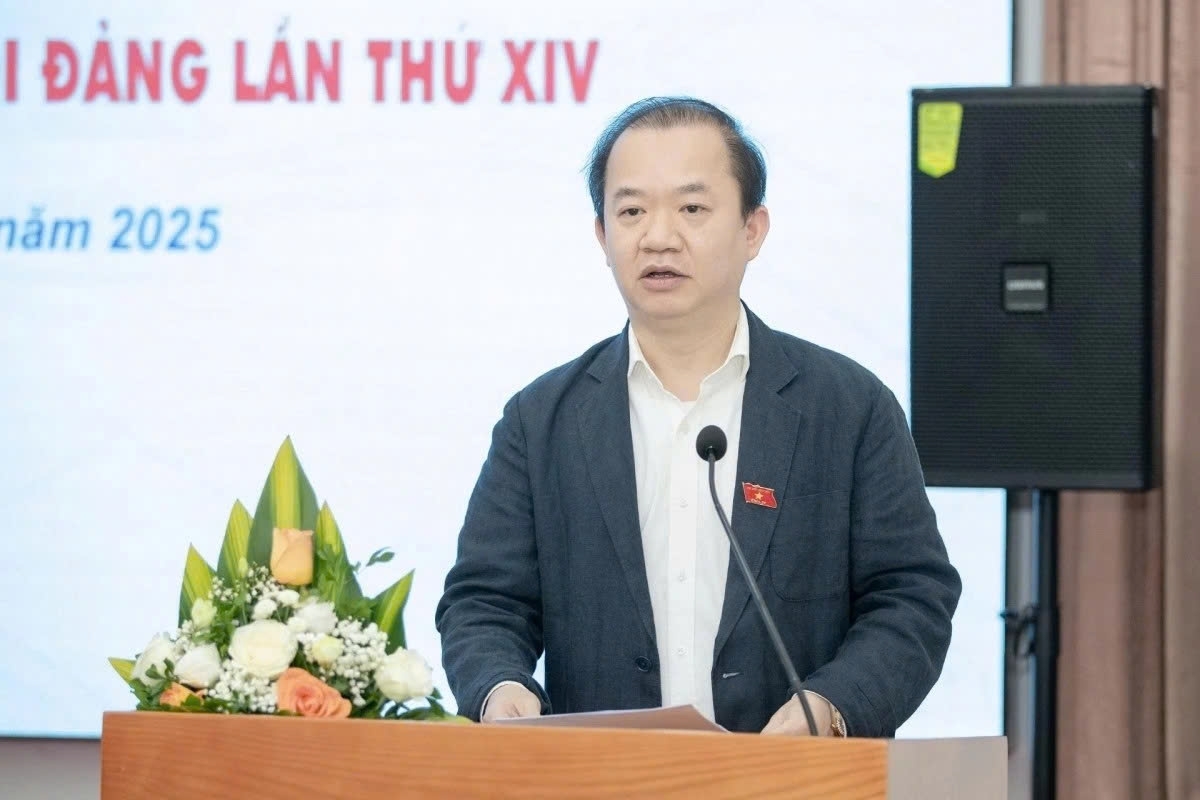
Associate Professor Dr. Bui Hoai Son, a member of the National Assembly’s Committee on Culture and Social Affairs, noted the message represents more than an operational slogan.
“It is a clear statement about transforming national governance thinking,” he said. “As Vietnam enters a new development phase that demands both speed and sustainability, implementation quality becomes the true measure of leadership capacity.”
Governance reform and external signalling
Experts underscored that the emphasis on execution also carries external significance. The message signals Vietnam’s determination to strengthen state capacity, enhance policy credibility and build social trust through effective governance.
In areas such as cultural development, human capital and social management, analysts said sustained implementation will be critical to ensuring that policy commitments translate into visible improvements in people’s daily lives.
Overall, the shift from resolution-centred thinking to execution-oriented governance is seen as a defining feature of Vietnam’s leadership agenda in the coming period - one that prioritises action, results and accountability as the foundation for sustainable development and long-term national resilience.
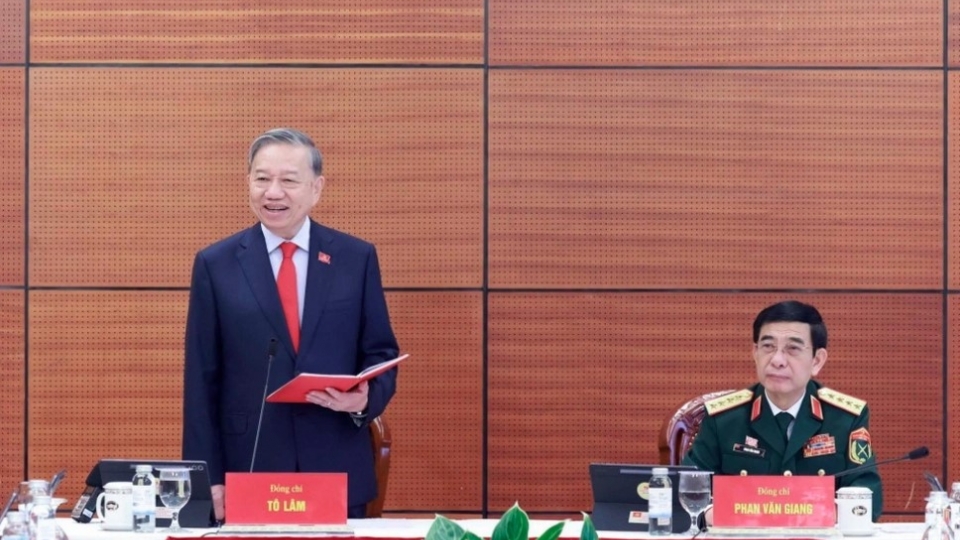
Group discussions on documents submitted to 14th National Party Congress
VOV.VN - As part of the ongoing programme of the 14th National Party Congress, delegates worked in their respective groups to discuss documents submitted to the congress on the afternoon of January 20 in Hanoi.