Vietnam steps up supply diversification to safeguard energy security

VOV.VN - Vietnam is proactively diversifying energy supply sources and strengthening international cooperation to ensure stable fuel availability and safeguard national energy security amid growing global uncertainties.
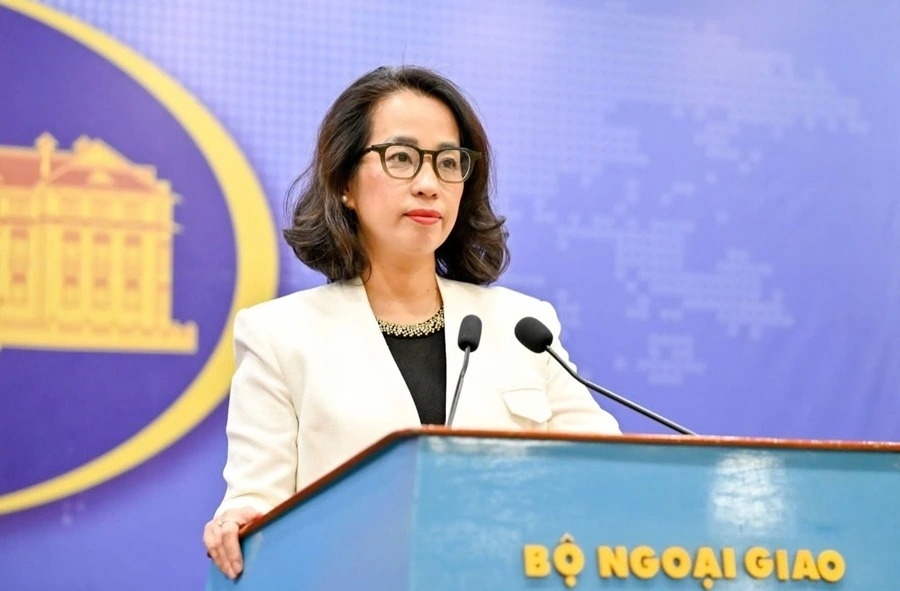
The message was highlighted by Foreign Ministry Spokesperson Pham Thu Hang at the ministry’s regular press briefing in Hanoi on April 23, against the backdrop of complex developments in the Middle East and fluctuations in global energy markets.
According to the spokesperson, Vietnamese enterprises have been actively working with partners both within and beyond the region to secure long-term supply contracts, helping maintain stable fuel sources for production, business activities, and daily consumption.
She noted that alongside these efforts, Vietnam is accelerating supply diversification strategies to reduce dependence on any single source and enhance resilience against external shocks, ensuring that no fuel shortages disrupt economic activities or people’s lives.
The spokesperson stressed that proactively securing supply and expanding international partnerships remain key solutions for improving the country’s capacity to respond to global energy market volatility, thereby maintaining energy security.
Amid ongoing tensions in the Middle East that have disrupted supply chains and triggered volatility in global oil prices, the Government has rolled out a range of solutions to ensure stable energy supply. At recent meetings, the Prime Minister instructed ministries and agencies to closely monitor market developments, while enhancing fuel reserves and ensuring supply readiness under all circumstances.
A key priority is the development of strategic petroleum reserves, with an initial focus on the Nghi Son area in Thanh Hoa province which is home to one of the country’s largest refining and petrochemical complexes. Authorities are also studying plans to expand storage infrastructure across other key economic regions to improve resilience against supply shocks.
At the same time, relevant agencies have been tasked with working closely with businesses to diversify crude oil import sources, ensuring stable supply for domestic production and consumption, and mitigating the impact of external fluctuations.
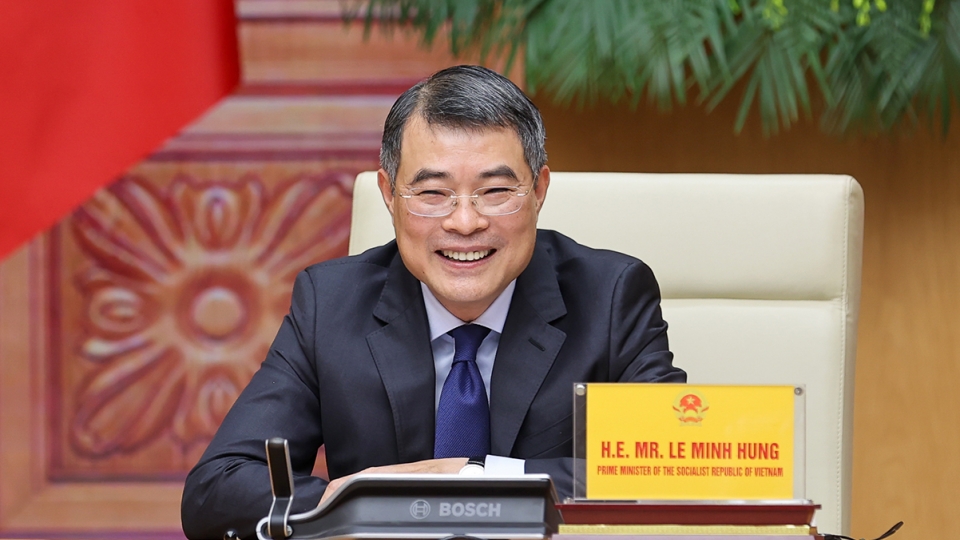
Vietnam proposes three cooperation priorities at AZEC summit on energy security
VOV.VN - Vietnamese Prime Minister Le Minh Hung proposed three key cooperation priorities to address energy challenges and safeguard supply chains, at an Asia Zero Emission Community (AZEC) online summit on April 15.