Crude oil reserves seen as key to Vietnam’s energy security in an uncertain world

VOV.VN - As global volatility intensifies, energy security is emerging as a top priority worldwide, including in Vietnam, where crude oil reserves are no longer just about ensuring supply but increasingly about safeguarding broader economic resilience.
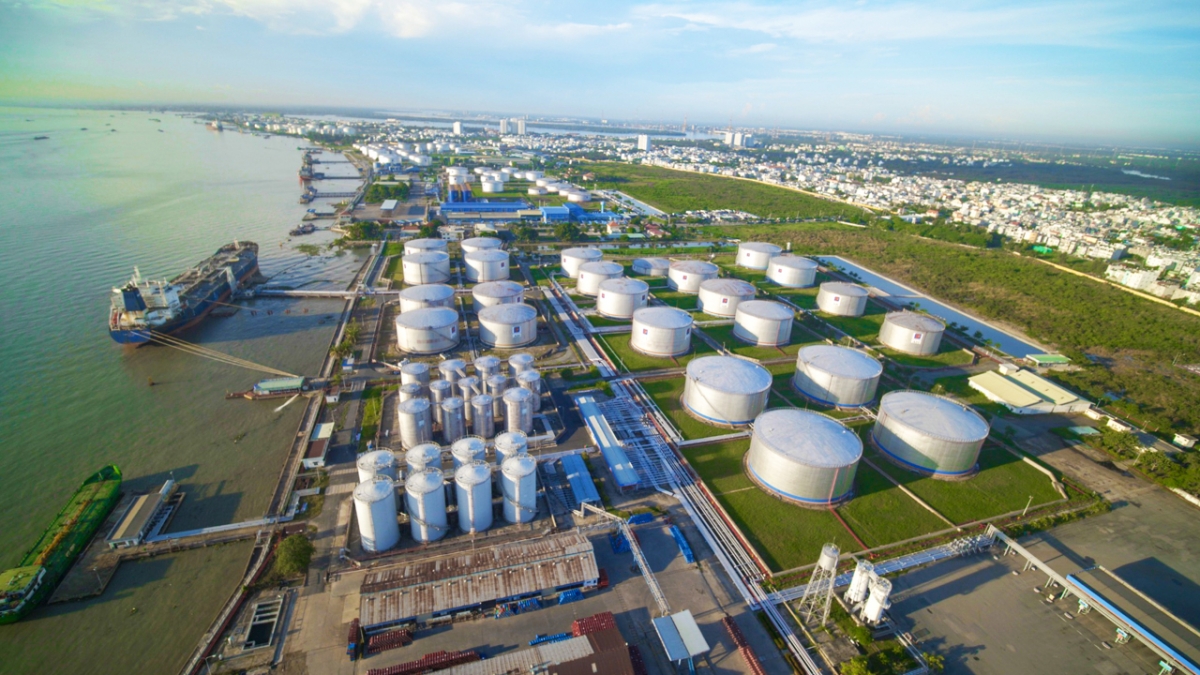
According to Dr. Nguyen Son, a lecturer in supply chain and logistics management at RMIT University Vietnam, Vietnam’s current crude oil reserves, equivalent to around 20 to 25 days of consumption, remain relatively low by international standards.
Compared with countries such as Japan, the Republic of Korea or China, Vietnam’s reserve level is limited and could be considered within a ‘risk zone’ in the event of prolonged disruptions, he told Vietnam Financial Times.
Historical experience shows that oil shocks are rarely short-lived. Events such as the 1973 oil crisis and the 1979 Iranian crisis lasted for months, even more than a year, prompting many countries to build substantial reserves to prepare for worst-case scenarios.
Against this backdrop, Vietnam’s target of raising reserves to 75–80 days by 2030 is seen as a step in the right direction. However, Son stressed that progress needs to accelerate.
This goal should be treated as a real national budget priority, not just a planning orientation, he said.
Beyond security concerns, crude oil reserves also represent an economic calculation. While stockpiling costs can be significant over time, they are far outweighed by the potential losses from supply disruptions.
A supply shock, if unmitigated, could disrupt production, increase logistics costs and weaken export competitiveness, he noted.
Drawing on international experience, Son highlighted flexible approaches. China has taken advantage of low oil prices to build reserves, while India has adopted storage leasing models that combine strategic and commercial benefits.
Vietnam could consider similar strategies, along with mechanisms for shared reserves within the ASEAN+3 framework to enhance efficiency and reduce costs, he added.
In the longer term, energy security cannot rely solely on stockpiles. Expanding domestic supply will be critical. Son pointed to the need to accelerate major gas projects such as Block B and Blue Whale to reduce import dependence and ensure stable energy sources during the transition period.
At the same time, the refining sector will need to become more flexible. Future refineries should be capable of processing a wider range of crude inputs to optimise costs while maintaining supply security.
This is not only a security investment but also an economic one, he said.
Vietnam is also making progress in its energy transition, particularly in wind and solar power. However, bottlenecks in grid infrastructure, pricing mechanisms and regulatory frameworks need to be addressed to unlock full potential.
The RMIT University lecturer also cautioned against creating new forms of dependency within renewable energy supply chains.
In addition, transport electrification and nuclear power are seen as long-term strategic solutions. Yet, nuclear energy requires extended development timelines and should be viewed as an investment for future generations.
Reflecting on recent global developments, Son noted a broader structural shift.
The era of stable globalisation, where cost optimisation was the overriding priority, has effectively come to an end, he analysed.
In this new context, he said, countries must be prepared to accept higher costs in exchange for greater resilience.
Ultimately, energy security is not just a defensive shield but a source of competitive advantage. Economies with stable and flexible energy systems are likely to become more attractive destinations for global investment flows.
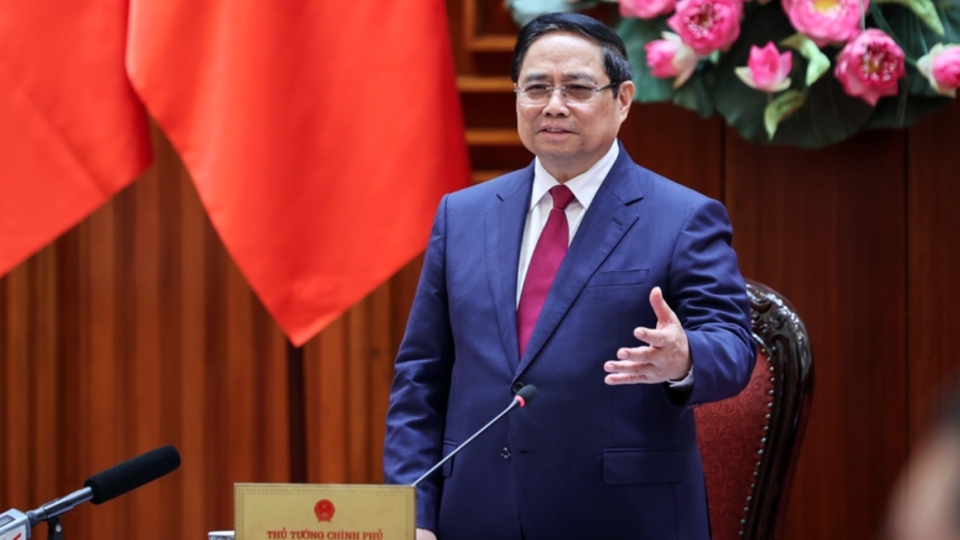
Vietnam to build crude oil reserve in Nghi Son, expand storage system nationwide
VOV.VN - Prime Minister Pham Minh Chinh has directed the immediate construction of a national crude oil reserve in Nghi Son refinery complex, Thanh Hoa province, while calling for further studies to expand storage facilities in other locations to strengthen Vietnam’s energy security.