
Energy security key to self-reliance in green transition

VOV.VN - Amid escalating geopolitical tensions in the Middle East, energy security is drawing growing attention from fast-growing economies in Southeast Asia, including Vietnam.
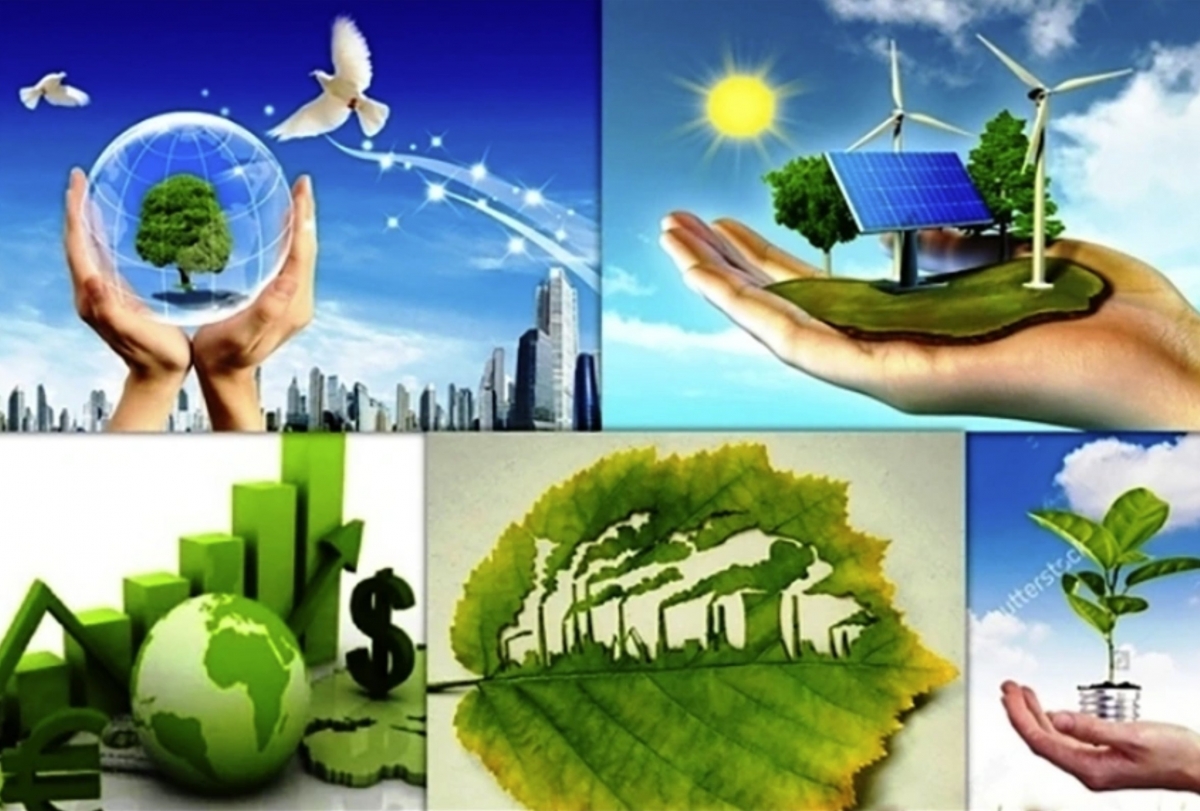
For Vietnam, a country undergoing a strong energy transition, these distant developments serve not only as a warning but also pose direct challenges that require flexible and sustainable responses.
Speaking to the media in Malaysia, senior expert Ei Sun OH of the Pacific Research Center offered in-depth analysis of risks, opportunities and the steps needed for regional countries, particularly Vietnam, to strengthen energy self-reliance.
According to Ei Sun OH, instability in the Middle East presents two major challenges for large economies in the region. The first, and most immediate, is heavy dependence on imported energy.
Like many of its neighbours, Vietnam relies on oil and gas supplies from the Middle East to sustain its economy. When direct transport routes are threatened or disrupted, supply shortages are hard to avoid. He warned that energy prices would inevitably rise, placing heavy pressure on people’s livelihoods and holding back socio-economic growth. This is particularly damaging for high-growth economies, where energy serves as the “lifeblood” of production and services.
The second challenge, he said, lies in the trade-driven economic structure of Vietnam and other Southeast Asian countries. Most imports and exports are shipped by sea, particularly along routes passing through or near the Middle East, which are now heavily affected by instability.
Rising energy costs increase domestic operating expenses and push transport costs to record levels, directly weakening export competitiveness.
This amounts to a “double blow” that requires policymakers to reassess energy security strategies more comprehensively.
Looking at Malaysia’s experience, a key player in the regional oil and gas industry, Ei Sun OH said short-term responses tend to be stopgap measures, such as calls for budget tightening and cuts to energy subsidies that have become increasingly costly.
Over the longer term, Malaysia is working to reduce reliance on Middle Eastern supplies by prioritising domestically produced oil and gas for local use instead of exports. At the same time, the country is expanding renewable energy sources such as solar and wind power, and even exploring the potential of nuclear energy. These steps point to a broader regional trend toward greater self-reliance through supply diversification and the greening of energy systems.
Assessing Vietnam’s current energy roadmap, which includes gradually reducing coal-fired power, expanding renewable energy, investing in transmission grids and strengthening international cooperation, Ei Sun OH described these plans as “excellent.” Vietnam is not only focusing on domestic infrastructure but also aiming to export clean energy to other members of the Association of Southeast Asian Nations (ASEAN), while promoting research on nuclear energy for peaceful purposes through international bodies such as the International Atomic Energy Agency (IAEA).
However, he stressed that the difference between plans on paper and real-world success lies in one factor: determination. Vietnam, Malaysia and Indonesia share similar ambitions for energy self-reliance and long-term resilience, but the decisive factor lies in how firmly those commitments are put into practice.
One of his key recommendations for the region is to strengthen cross-border power grid connectivity among ASEAN member states.
Establishing interconnected grid systems would allow countries to support one another more easily in cases of localised shortages. With advances in undersea cable technology, linking island nations such as Indonesia and the Philippines with the mainland is no longer a major barrier.
He cited Sarawak state in Malaysia, which generates large volumes of hydropower and plans to export electricity to Indonesia and Singapore via undersea cables. Such cooperation could serve as an effective temporary mechanism to help countries navigate energy disruptions.
However, Ei Sun OH cautioned that while green energy plans and measures are highly ideal, the biggest challenge remains financing. To balance energy costs with green transition goals, Vietnam must be truly “creative” in mobilising economic resources.
The green transition is a technical process as well as a financial challenge and a matter of strategic consensus. In an increasingly volatile global environment, political resolve, innovative resource mobilisation and regional cooperation will be key to building an autonomous, sustainable energy system capable of withstanding external shocks.
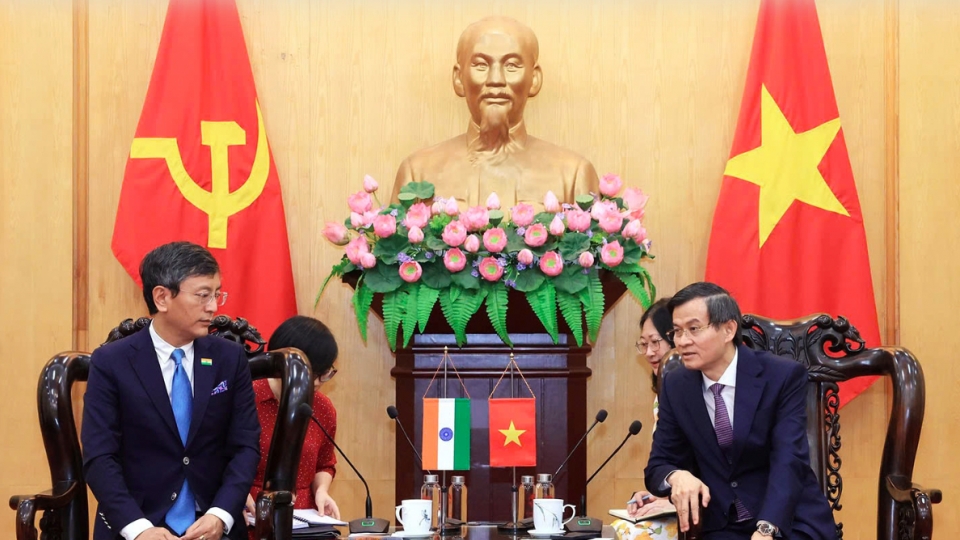
Vietnam seeks deeper cooperation with Australia, India in training, green transition
VOV.VN - Vietnam has proposed expanding and deepening cooperation with Australia and India in leadership training, policy research and green transition, as part of efforts to strengthen strategic partnerships and support long-term development goals.
