Vietnam ready to roll out E10 biofuel nationwide, industry group says

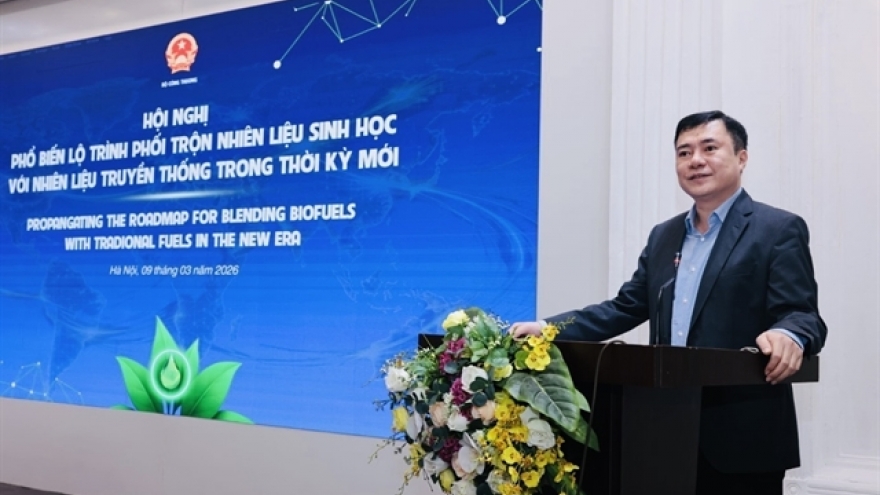
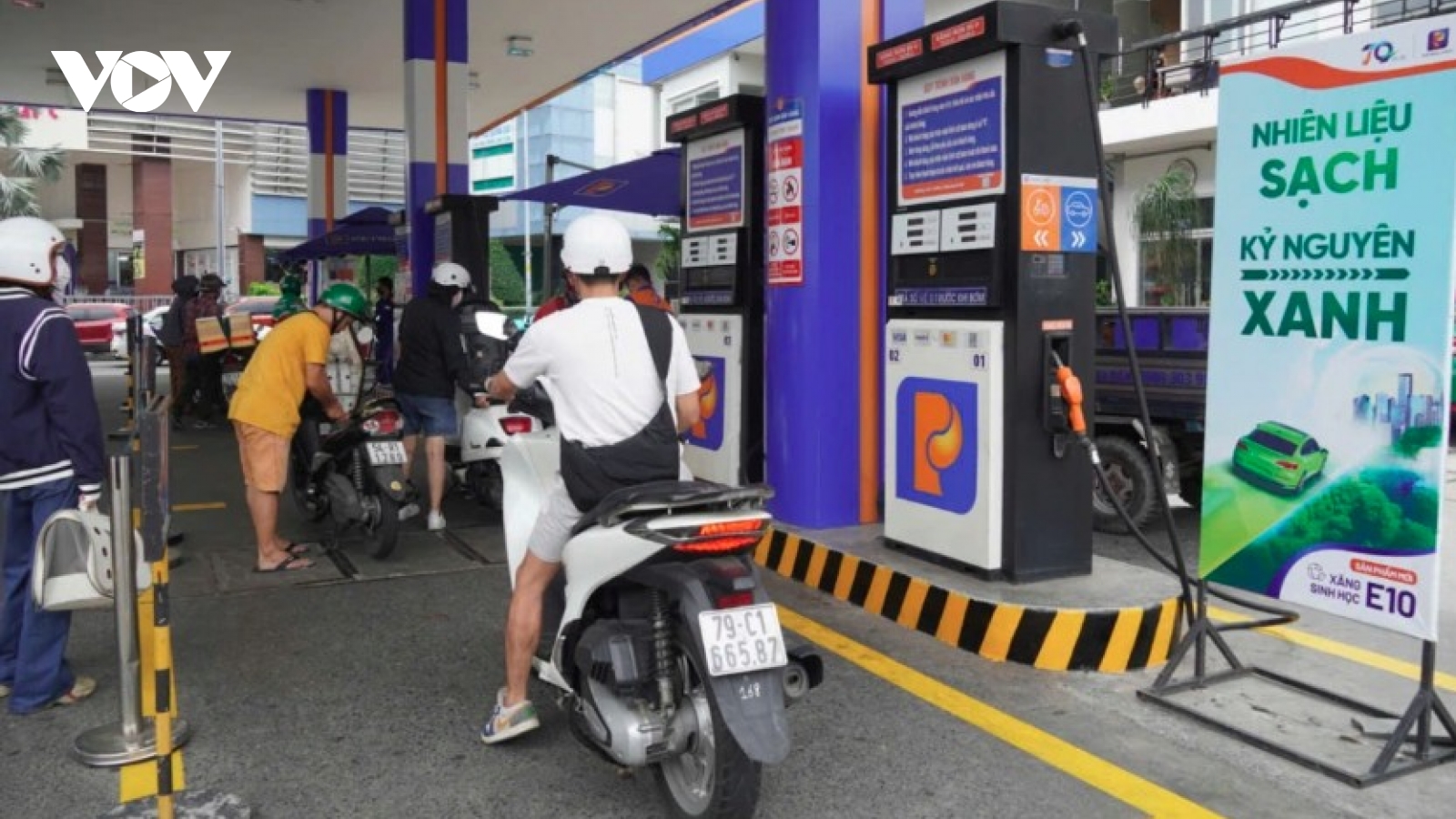
VOV.VN - Vietnam’s petroleum enterprises are fully capable of meeting nationwide demand for E10 biofuel, with a total blending capacity of around 965,000 cubic meters per month, according to the Vietnam Petroleum Association (VINPA).
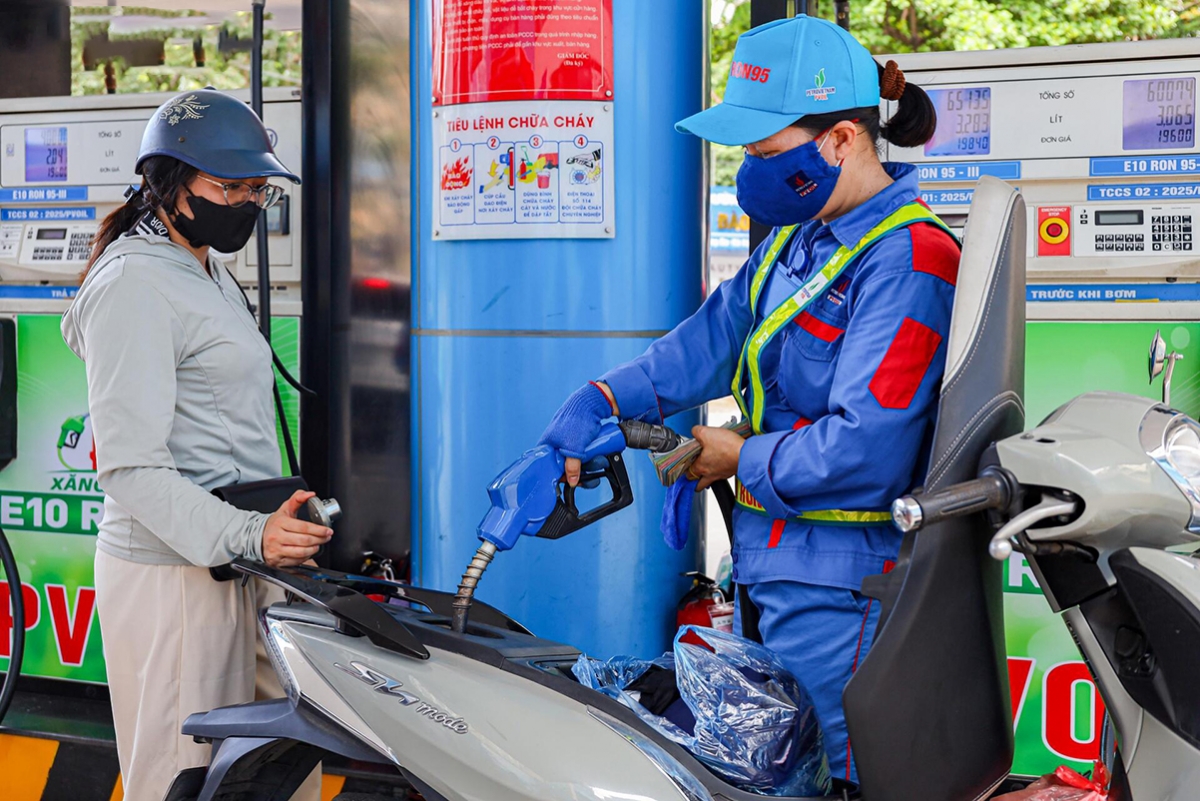
Trinh Quang Khanh, secretary general of the association, said companies are actively investing in infrastructure, upgrading blending systems, and expanding ethanol storage facilities to ensure readiness for the market rollout of E10 in April.
However, unlike conventional petrol, biofuel requires additional blending time and cannot be supplied immediately. If regulatory management is not properly coordinated, especially during the transition period, localised supply disruptions may occur despite sufficient overall capacity.
To facilitate the rollout, the association has proposed several policy adjustments.
First, it recommended increasing the standard business cost norms for E10 compared to conventional petrol, citing additional expenses related to blending, transportation, storage, and infrastructure investment. Without proper cost accounting, business efficiency could be affected.
Regarding the special consumption tax, conventional petrol used as input is currently taxed at 10%, while E10 output is taxed at 7%. This 3% gap could impact companies’ cash flow. The association proposed applying a unified 7% tax rate to ensure fairness and encourage the transition.
On technical standards, domestically produced petrol contains almost no oxygen, while imported petrol typically has an oxygen content of 1.3–1.5%. Maintaining current regulations could create difficulties in blending. Estimates suggest that requiring oxygen-free base fuel could increase E10 prices by VND600–700 per liter. The association proposed adjusting standards to allow more flexibility, with an oxygen content of around 5–5.2%.
The group also highlighted high investment costs for laboratory testing equipment, particularly for octane measurement, which can reach tens of billions of VND. It recommended allowing companies to outsource testing to certified laboratories to reduce financial burdens.
Market sentiment remains another concern, as consumers, especially car owners, still have reservations about biofuel. The association called for clear official guidance on vehicle compatibility with E10 to address concerns.
In practice, due to storage and transportation conditions, E10 fuel may occasionally degrade to E8 levels. While still meeting quality standards, the lack of clear guidelines could expose businesses to regulatory risks.
Finally, the association proposed applying a unified environmental protection tax rate for biofuel to support both businesses and consumers during the transition period.
PM encourages electric vehicles and biofuels to reduce dependence on fossil fuels
VOV.VN - Prime Minister Pham Minh Chinh has encouraged people and businesses to prioritise electric vehicles, public transport and biofuels in order to reduce reliance on fossil fuels amid sharp fuel market fluctuations.