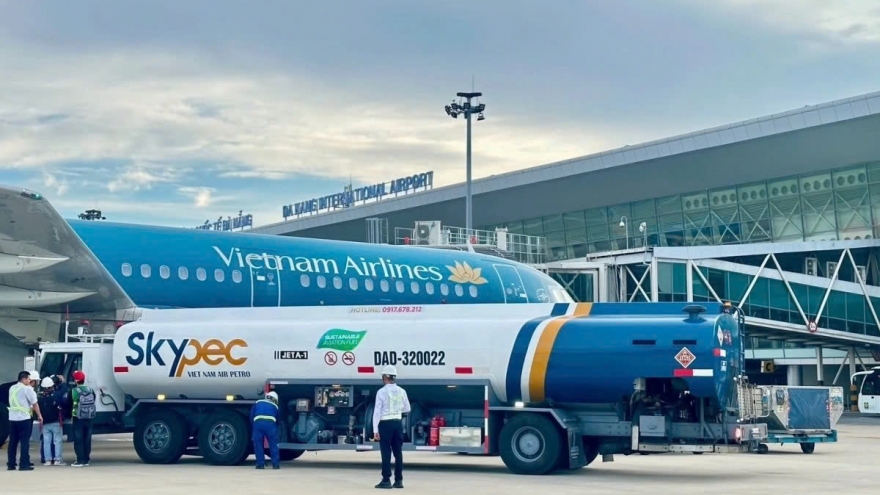
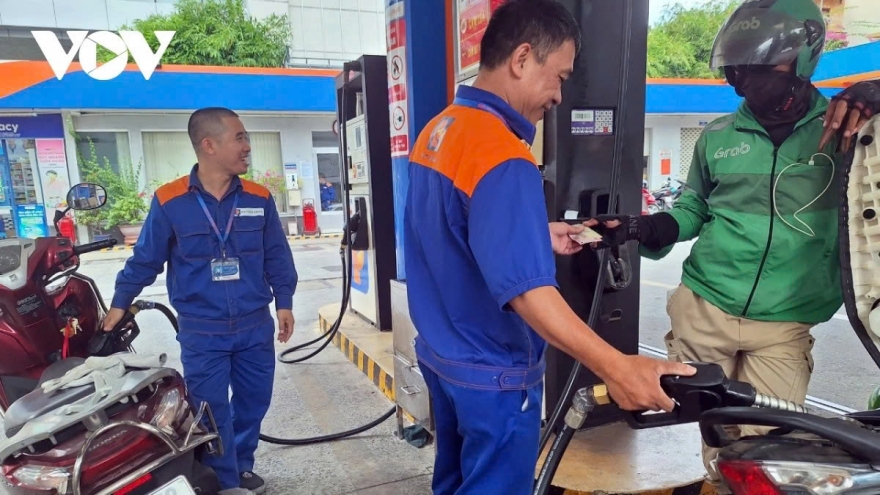
Zero fuel tax extension proposed to ease market pressure

VOV.VN - The Ministry of Finance has proposed extending the current zero-tax policy on several fuel-related taxes until June 30, 2026, in a bid to cope with volatile global energy markets and support domestic economic stability.
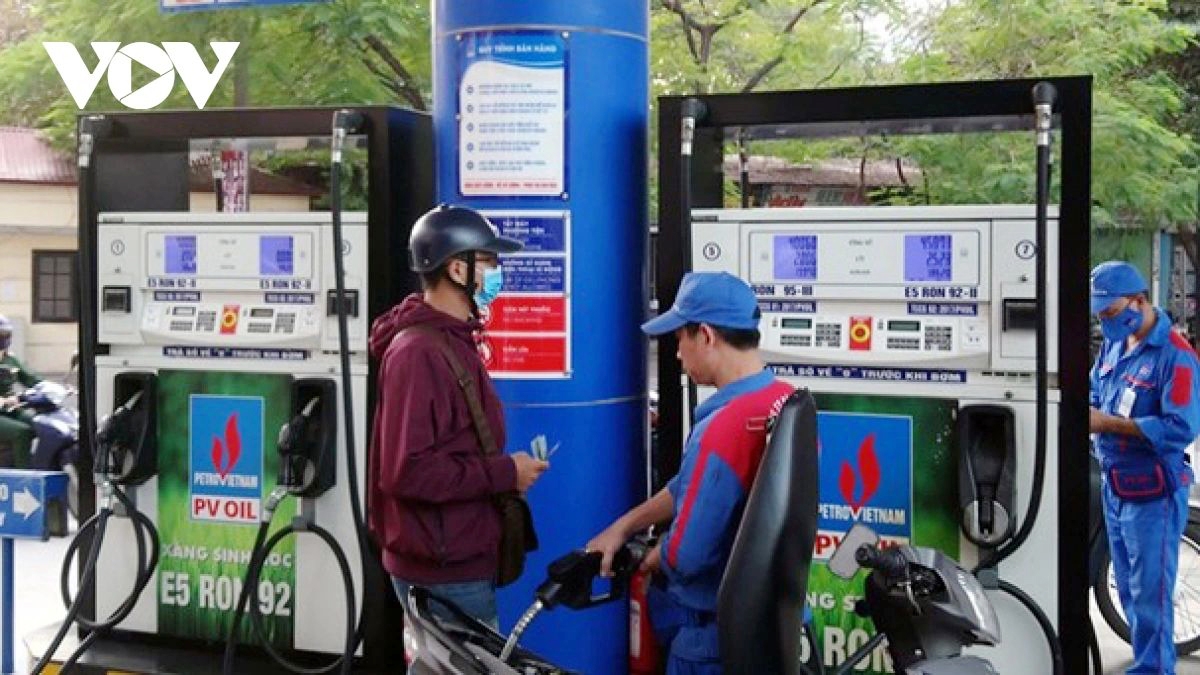
Previously, under Decision No. 482/QD-TTg issued by the Prime Minister, environmental protection tax on petrol (excluding ethanol), diesel and aviation fuel was reduced to zero from midnight on March 26 through April 15, 2026. At the same time, the special consumption tax on petrol was also cut to zero.
The sharp reduction in taxes has had an immediate impact on domestic fuel prices. During the price adjustment on March 26, E5RON92 fell to VND23,326 per litre, RON95-III to VND24,332 per litre, while diesel prices also declined significantly to VND35,440 VND per litre.
However, the Ministry of Finance noted that these measures are only short-term and urgent solutions. Amid ongoing tensions in the Middle East, the global energy market is facing significant pressure. The International Energy Agency has warned that disruptions in the Strait of Hormuz, a key global energy transit route, have created a serious bottleneck, pushing crude oil prices above US$100 per barrel.
Such volatility is not only driving up fuel prices but also contributing to broader inflationary pressures, higher import costs and slower global economic growth. Analysts believe the scale of the impact could surpass previous oil shocks in the 1970s or the recent energy crisis linked to the Russia–Ukraine conflict.
Domestically, fuel supply is also under strain. Feedstock supply for the Nghi Son Refinery, which accounts for around 40% of Vietnam’s fuel supply, has been disrupted. Meanwhile, about 30% of imported fuel from Asian markets has been affected by export restrictions, with several import orders in March 2026 reportedly cancelled.
In this context, the Ministry of Finance has proposed maintaining the current zero-tax rates from April 15 through June 30. The extension is expected to prolong the effectiveness of support measures, helping stabilise the market and contain inflation.
According to experts, maintaining the zero-tax policy could reduce state budget revenue by approximately VND7.2 trillion per month. Nevertheless, the policy is expected to lower production and logistics costs, thereby reducing product prices, improving business competitiveness and supporting short-term economic growth.
For consumers, lower fuel taxes would directly reduce transportation and living costs, while also helping ease prices of goods and services. This is expected to support purchasing power and stabilise livelihoods amid ongoing cost pressures.
The government also indicated that the duration of the policy could be adjusted flexibly if necessary to meet socio-economic development goals and maintain market stability.
MoF proposes halving environmental tax on fuel to ease price pressures
VOV.VN - The Ministry of Finance (MoF) has proposed cutting the environmental protection tax on petrol and oil products by up to 50% in an effort to reduce domestic retail fuel prices and ease cost pressures on businesses and consumers.