Vietnam OCOP products build domestic strength, move into global markets

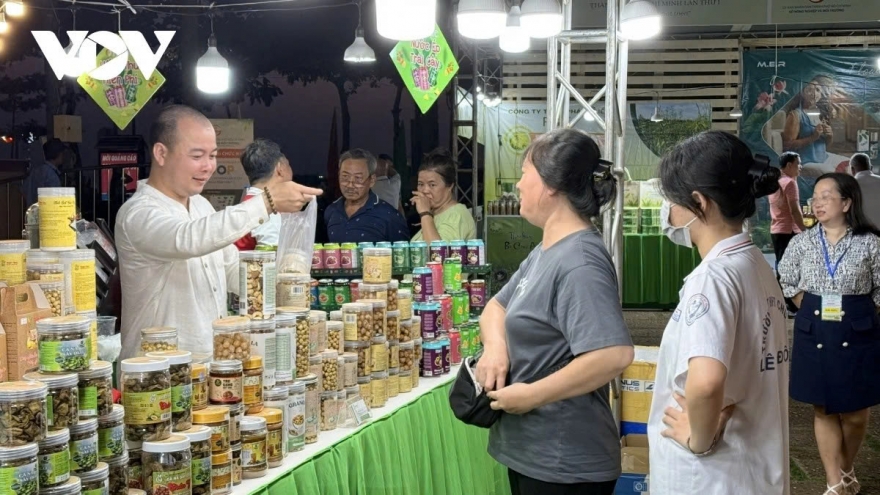
VOV.VN - After more than seven years of implementation, Vietnam’s One Commune One Product (OCOP) programme has not only reshaped the rural goods market at home but is also gradually bringing local specialties to international markets.
However, to secure a sustainable position globally, OCOP products still face challenges in scale, quality, and branding.
From rural initiative to domestic market driver
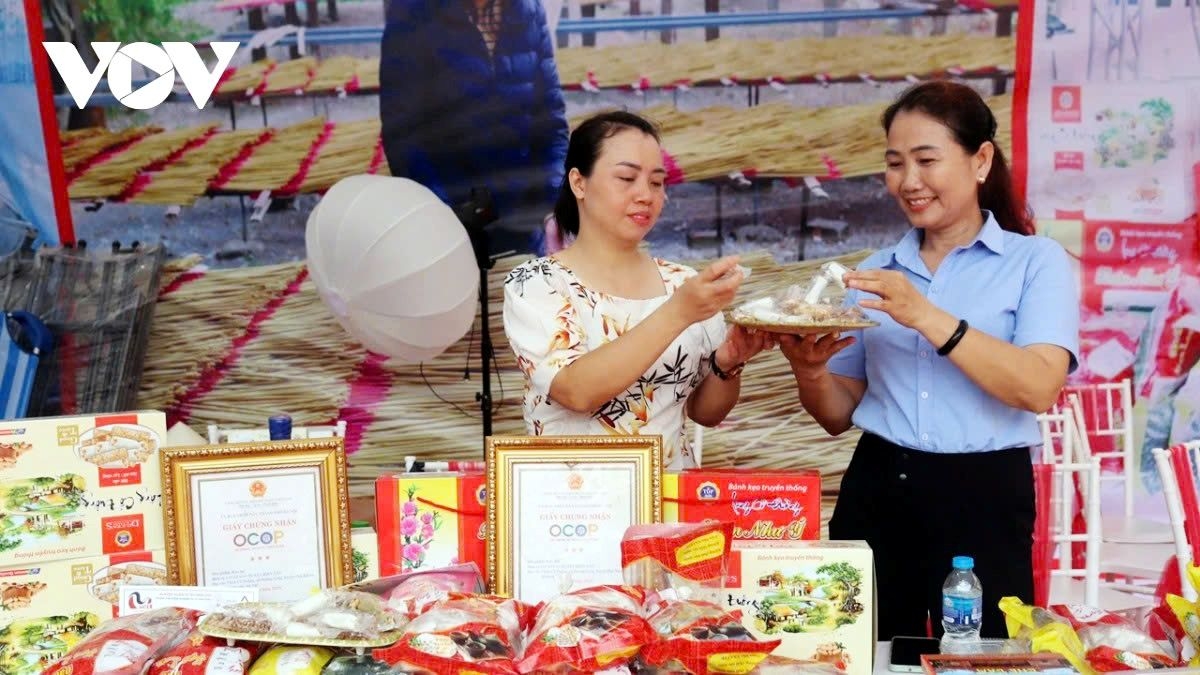
Launched nationwide in 2018, the OCOP programme aims to boost rural economic development by enhancing the value and branding of local specialty products across Vietnam.
Over the past years, OCOP has developed a relatively comprehensive product ecosystem. According to the Ministry of Agriculture and Environment (MoAE), Vietnam currently has more than 20,000 OCOP products rated three stars or higher, spanning categories such as food, beverages, herbal products, and handicrafts. Among them, 126 products have achieved the highest five-star national rating (as of May 2025).
Beyond quantity, product quality has improved significantly. Many OCOP products now feature upgraded production processes, packaging, and branding, gradually meeting domestic market demands while moving toward export readiness.
The programme has been recognised as a key driver of rural economic growth, contributing to value chain development, job creation, and increased incomes for local communities. It is also increasingly linked with rural tourism, helping promote regional culture and specialties.
The MoAE is currently refining OCOP criteria for the 2026–2035 phase, aiming to standardise evaluation processes and elevate product quality, laying the groundwork for sustainable development and broader market expansion.
Gradual integration into global value chains
From a domestic focus, many OCOP products have now reached dozens of international markets, gradually establishing their presence globally.
As of July 2025, more than 60% of Vietnam’s five-star OCOP products have been exported to demanding markets such as the United States, Europe, and Japan. This reflects the programme’s growing potential within global value chains.
Key export categories include coffee, cashew nuts, pepper, tea, processed foods, and handicrafts, all leveraging Vietnam’s raw material advantages and local identity. These products increasingly meet international standards for quality, traceability, and food safety.
Trade promotion activities have also intensified through events such as Vietnam OCOPEX, where domestic businesses and cooperatives connect directly with international partners. Meanwhile, e-commerce platforms and overseas Vietnamese distribution networks are helping OCOP products reach global consumers.
Amid global consumer trends favouring natural, local, and sustainable products, OCOP holds a strong competitive edge. The programme is no longer confined to domestic development but is becoming part of global supply chains.
Challenges and growth potential
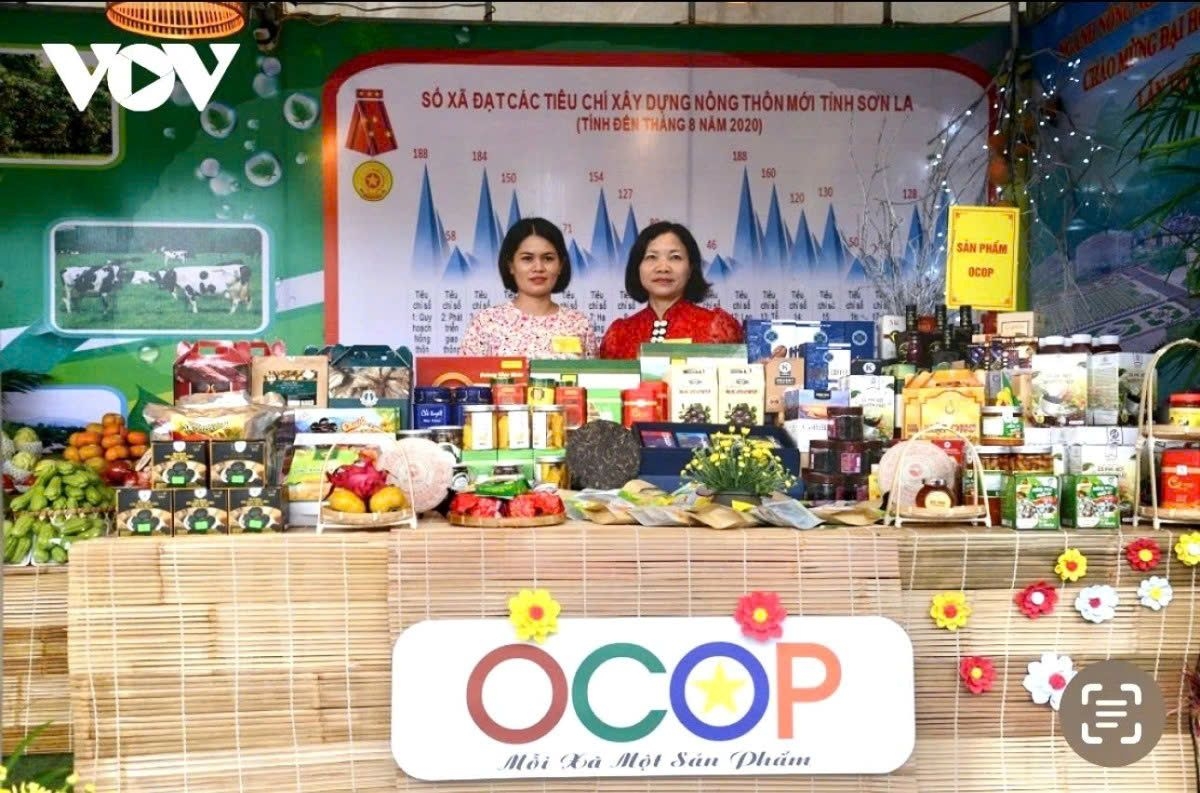
Despite initial achievements, expanding internationally remains challenging. Most OCOP producers are small enterprises, cooperatives, or household businesses with limited scale and uneven competitiveness.
Strict requirements in developed markets, including technical standards, packaging, and branding, continue to pose significant barriers. A lack of structured marketing strategies and stable distribution channels also makes it difficult for products to maintain a long-term presence abroad.
According to Nguyen Ba Hai, deputy director of the Trade and Investment Promotion Support Centre, the main bottlenecks lie in market mindset and weak linkages. Fragmented production limits the ability to fulfill large and consistent orders, while inconsistencies in quality and labeling, along with language barriers, hinder storytelling for international consumers.
From a policy perspective, Dao Duc Huan, head of OCOP and Rural Tourism Management Division, emphasised that export is a long-term process. Technical barriers such as FDA certification, EU export codes, and Japanese standards require significant investment and persistence, with some businesses taking years to qualify.
Experts suggested that to strengthen OCOP’s global position, Vietnam must continue improving product quality to meet international standards, invest in packaging design and branding, and enhance linkages between enterprises and cooperatives to scale production.
They also recommended that OCOP stakeholders adopt a long-term export strategy, starting with a strong domestic foundation, standardised production processes, and consistent investment in quality and branding. Leveraging government support programmes, participating in trade fairs, expanding cross-border e-commerce, and accelerating digital transformation will be key.
In the context of deep global economic integration, integrating OCOP products more deeply into global value chains is an inevitable direction. This not only enhances the value of local products but also promotes sustainable development in Vietnam’s rural areas.
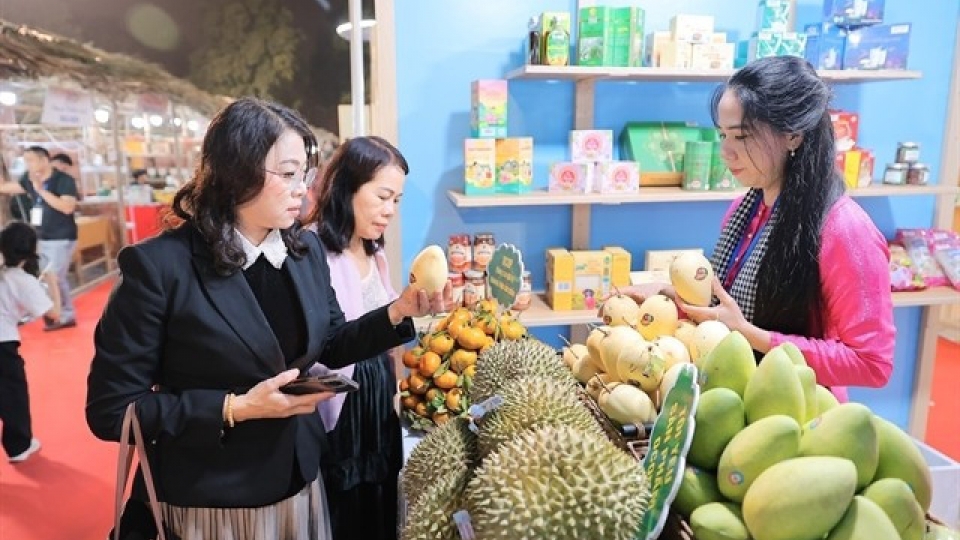
Vietnam needs change trade promotion activities to boost OCOP product exports
Vietnam needs to change its trade promotion activities to increase the export of OCOP products in a more diversified, innovative and sustainable manner, experts said at a seminar on enhancing the export of these products held by the Industry and Trade Magazine on December 24.