Vietnam fruit exports to US surge on demand, market access gains

VOV.VN - Vietnam’s fruit and vegetable exports to the United States are experiencing remarkable growth in early 2026, driven by rising consumer demand, improved product quality, and expanding market access.
Wider supermarket reach and improving quality standards
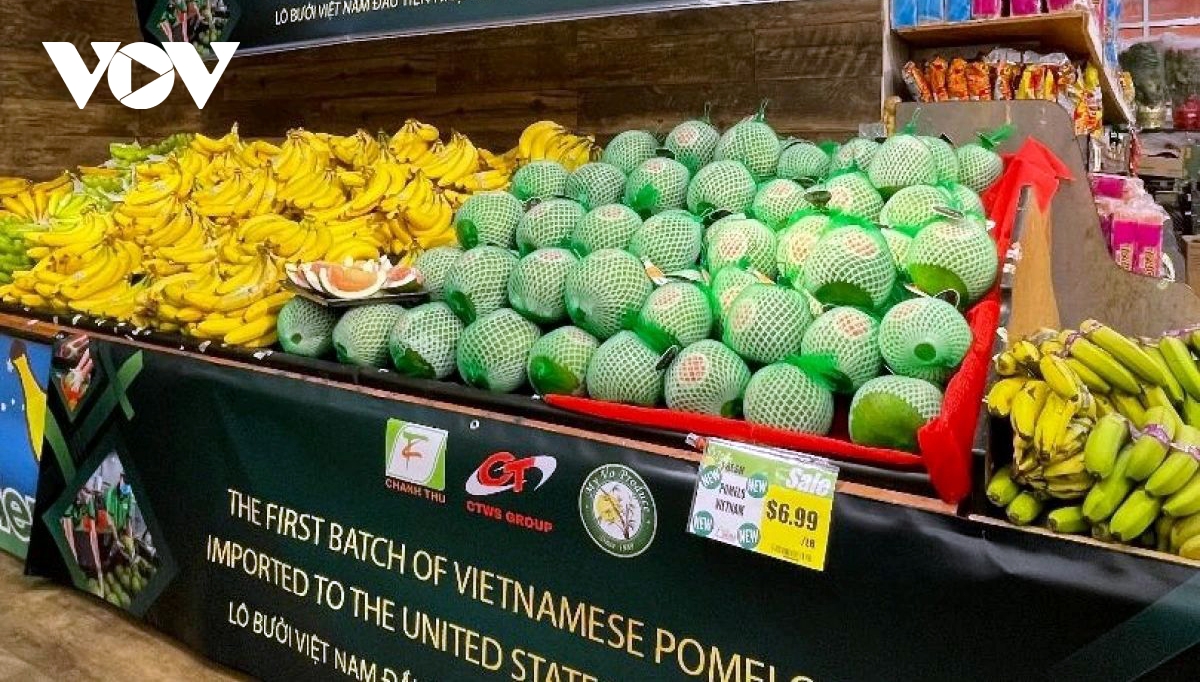
Vietnamese tropical fruits are no longer limited to ethnic grocery stores but are increasingly available across mainstream supermarket chains, reaching a broader base of American consumers.
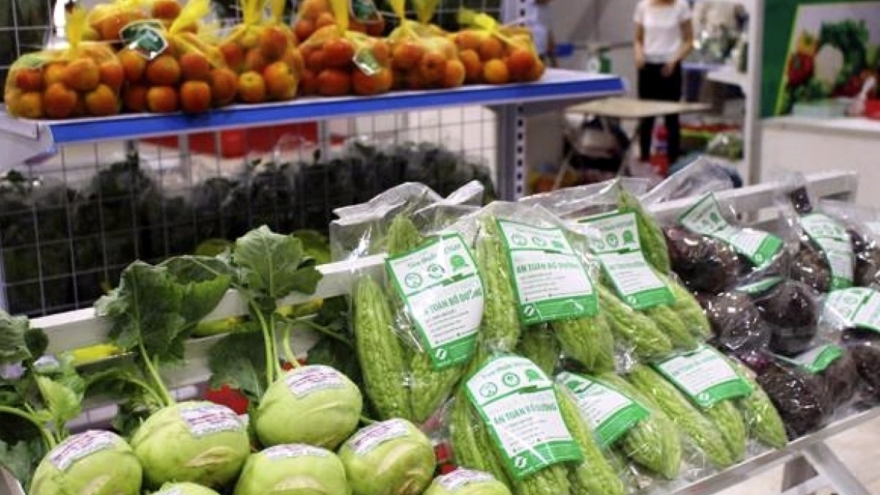
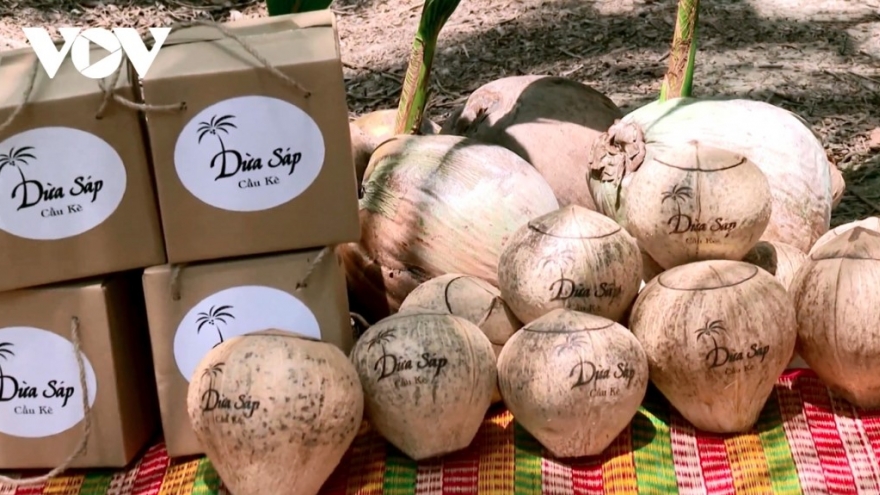
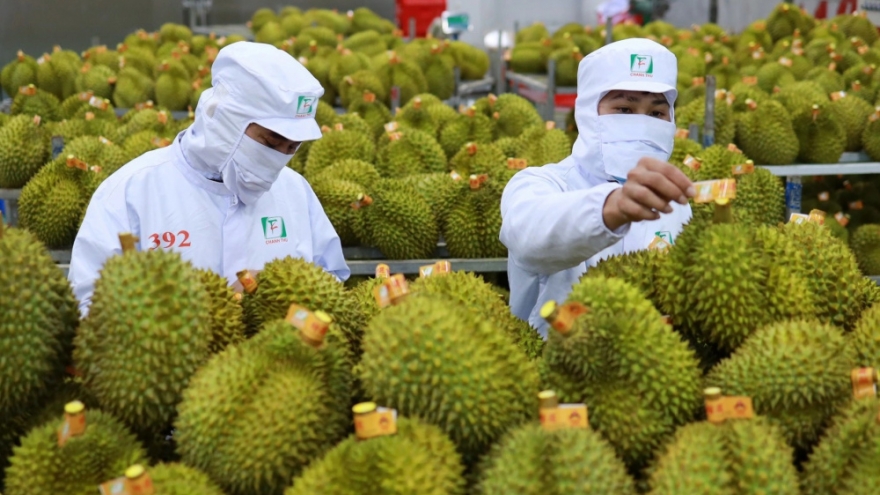
According to Dang Phuc Nguyen, general director of the Vietnam Fruits and Vegetable Association (Vinafruit), who recently conducted a market survey in Southern California, Vietnamese fruits are becoming more visible across retail shelves. He noted that even distinctive products such as Ri6 durian, traditionally considered challenging due to its strong aroma, are now widely distributed, alongside fresh coconut, pomelo, mango, and longan.
This growing presence reflects a rising acceptance of Vietnamese agricultural products in one of the world’s most demanding markets, said Nguyen.
Trade data further underscores this upward trend. In January 2026, several Vietnamese fruits exported to the US recorded triple-digit growth compared to the same period last year. Durian exports reached nearly US$3.6 million, marking a 529% increase, while pomelo rose by 133% to US$1.8 million and longan increased by 108% to US$1.1 million. Fresh coconut led the category with US$16.4 million, up 115%.
Other products also posted impressive gains, including jackfruit, which surged by 959%, and strawberries, which increased more than fortyfold. These figures indicate that a wide range of Vietnamese tropical fruits are successfully capturing market opportunities in the United States.
Industry experts attribute this growth partly to seasonal demand. During warmer months in many US regions, consumption of refreshing products such as fresh coconut tends to rise significantly. Vietnamese fruits benefit from their naturally sweet taste, distinctive aroma, freshness, and competitive pricing, making them increasingly attractive to American consumers.
In addition, certain products such as almonds highlight a complementary trade relationship, where raw materials imported from the US are processed in Vietnam and then re-exported, contributing to a mutually beneficial supply chain.
Exports rise sharply, but challenges persist
From a broader perspective, the United States is currently Vietnam’s second-largest export market for fruits and vegetables. In the first two months of 2026, export turnover to the US hit approximately US$79 million, up 21% year on year.
Overall, Vietnam’s fruit and vegetable exports are estimated to generate nearly US$1.5 billion in the first quarter of 2026, representing a 27% increase compared to the same period last year, with China remaining the largest market and the US ranking second.
The strong performance in the US market reflects several structural drivers. American consumers are increasingly favouring natural, healthy, and tropical products, aligning well with Vietnam’s agricultural strengths. At the same time, more Vietnamese fruits, including mango, dragon fruit, longan, lychee, rambutan, pomelo, and coconut, have gained official access to the US market, enabling exporters to diversify their product portfolio and expand market share.
Equally important is the significant improvement in quality standards. Vietnamese producers and exporters have invested in certified growing areas, traceability systems, and post-harvest technologies to meet strict US regulations on food safety and pesticide residues. This shift has not only enhanced compliance but also increased the overall value of exported products.
Another notable trend is the growing share of processed fruit products, such as juices, dried fruits, and frozen items. These products often carry higher added value and are better suited to the stringent requirements and consumption habits of the US market, further supporting export growth.
Despite these positive developments, challenges remain. Vietnam’s market share in the US is still relatively modest compared to the country’s total fruit and vegetable imports. Exporters must continue to navigate strict technical standards, high logistics costs, and long transportation distances. Nevertheless, with strong growth momentum and favorable market conditions, Vietnamese fruits and vegetables are well-positioned to expand their footprint in the United States.
The increasing presence of Vietnamese fruits in US supermarkets is not only a commercial success but also a clear indication that Vietnam’s agricultural products are steadily strengthening their position in the global marketplace.
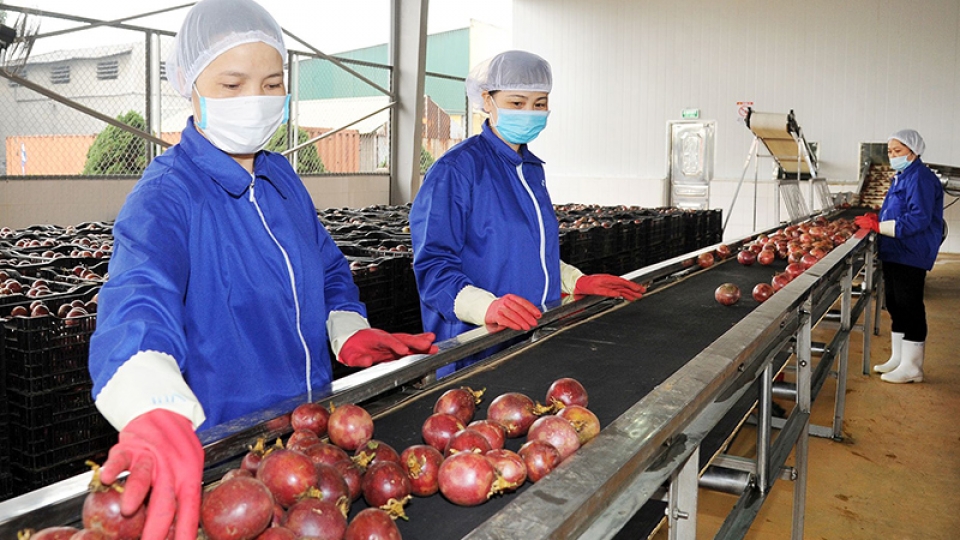
EU to tighten controls on Vietnamese dragon fruit and passion fruit
VOV.VN - The European Union is set to tighten controls on Vietnamese dragon fruit and passion fruit following concerns raised by French authorities over pesticide residue violations, according to the Vietnam Trade Office in France.