EU to tighten controls on Vietnamese dragon fruit and passion fruit

VOV.VN - The European Union is set to tighten controls on Vietnamese dragon fruit and passion fruit following concerns raised by French authorities over pesticide residue violations, according to the Vietnam Trade Office in France.
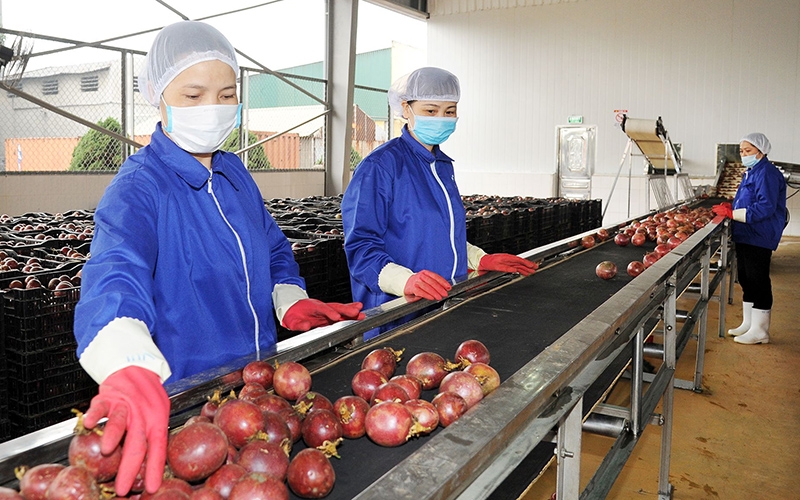
A recent report published in February by France’s Directorate-General for Food (DGAL) indicates that certain Vietnamese fruit and vegetable imports pose food safety risks under EU sanitary and phytosanitary (SPS) standards.
Passion fruit is the most concerning category. Out of 47 samples tested, 15 exceeded the maximum residue limit (MRL), resulting in a non-compliance rate of 32%, which is considered very high under EU monitoring standards. In one case, the active substance omethoate was detected, a chemical considered harmful to consumer health.
For dragon fruit, the violation rate stood at 11% (1 out of 9 samples). The product is currently listed in Annex I of EU Regulation 2019/1793 and is subject to a 50% border inspection frequency upon entry into the EU. Continued non-compliance could make it more difficult for Vietnam’s dragon fruit to see reduced inspection requirements in the future.
With a 32% violation rate, Vietnamese passion fruit risks being placed under enhanced monitoring or facing stricter import conditions.
If added to Annex I, the product would be subject to increased border checks in the EU, leading to longer customs clearance times. If placed in Annex II, shipments would be required to include laboratory test results and food safety certificates prior to export.
The Vietnam Trade Office in France warned that such measures would significantly increase logistics, testing, and storage costs, while also raising the risk of delayed deliveries and affecting exporters’ reputations.
The issue represents a technical barrier at the EU level rather than a France-specific measure. To safeguard their reputation and maintain market access, exporters, cooperatives, and producers are urged to urgently review the entire production chain from cultivation and harvesting to preliminary processing and packaging. They are also advised to strictly control pesticide use and comply with the EU’s MRL regulations.
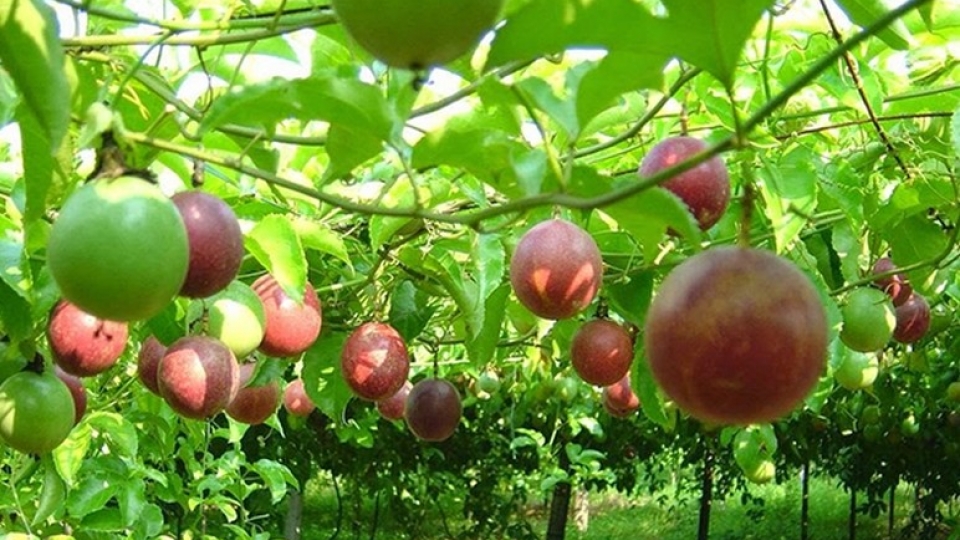
Passion fruit exports hit new highs after years of rapid growth
VOV.VN - Vietnam’s passion fruit exports have grown rapidly, climbing from US$20 million in 2015 to more than US$222 million in 2023, and reaching US$202 million during the past ten months of 2025.