Vietnam-China cooperation mechanism boosts market access for Vietnamese firms

VOV.VN - The “7+8” cooperation mechanism in the Red River basin is opening up new avenues for Vietnamese enterprises to penetrate the Chinese market.
Strengthening infrastructure connections, modernising logistics, and promoting official export channels are key solutions to enable Vietnamese goods to enter the world’s most populous market sustainably.
Expanding connectivity, unlocking cross-border logistics
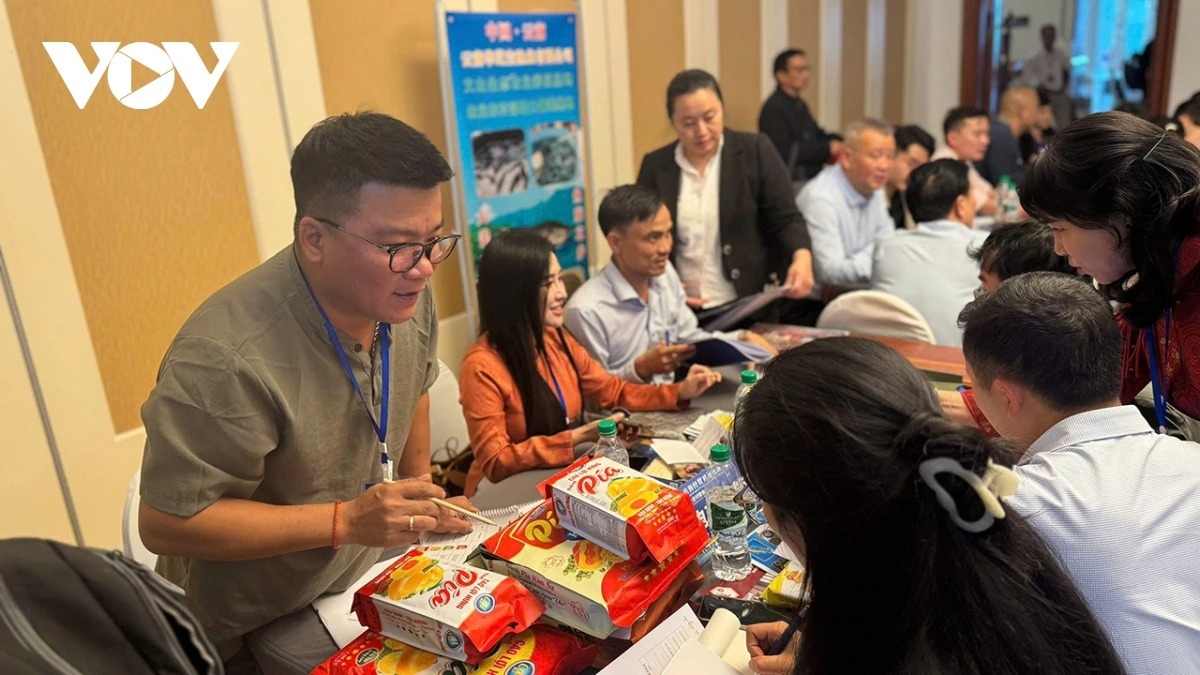
To boost trade and expand economic development in the Red River basin, Vietnam and China have established a cooperation mechanism involving seven Chinese provinces and eight Vietnamese provinces, known as the “7+8” cooperation framework. This initiative aims to connect infrastructure, trade, and logistics in the Red River basin.
Nguyen Thi Thu Thuy, deputy director of the Trade Promotion and Investment Support Centre under the Vietnam Trade Promotion Agency at the Ministry of Industry and Trade, stated that the cooperation framework is opening up new development opportunities, especially in key strategic areas. She emphasised that the crucial factor for enhancing the competitiveness of Vietnamese businesses is the construction of a modern and integrated logistics system.
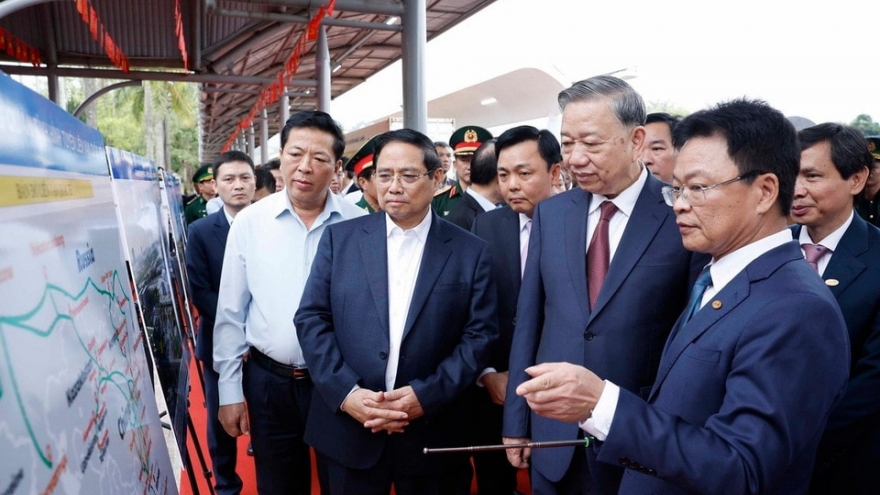
Currently, cross-border transport infrastructure projects are being accelerated, such as the new road bridge connecting Bat Xat (Vietnam) and Ba Sai (China) and the high-speed railway system through Lao Cai border gate. These strategic connections are forming a modern “logistics artery,” which will significantly reduce transportation costs and make the Red River basin an efficient corridor between Vietnam and China.
According to Nguyen Huy Tuong, deputy director of the Lao Cai Department of Industry and Trade, the biggest bottleneck remains logistics and preservation. Support for building specialised warehouses, particularly for processed products, will clearly expand export opportunities.
Beyond infrastructure, the trend of relocating high-tech supply chains presents substantial opportunities. As China shifts toward green and smart manufacturing, Vietnam can attract high-quality investments, especially in electronics and semiconductors, creating a cross-border industrial ecosystem.
Turning potential into concrete results
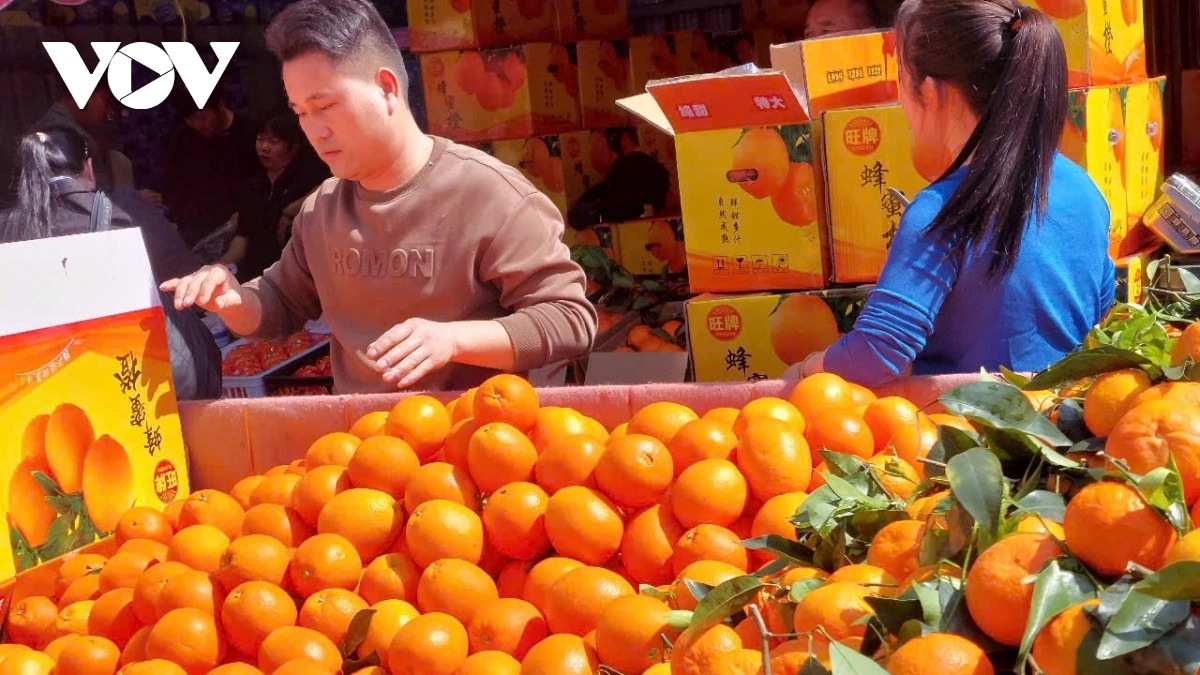
To effectively access China’s domestic market, which demands clean products, Vietnamese businesses are increasingly adopting official export channels and improving quality standards. Harmonising technical standards and conducting border inspections are essential measures to reduce time and costs, turning provinces such as Lai Chau and Lao Cai into “green supply zones” for Chinese partners.
Alongside key agricultural products like tea, rubber, and medicinal herbs, Vietnam can also participate in high-tech supply chains in electronics and semiconductors as China transitions to smart manufacturing. The boom of e-commerce and digital platforms further enables data-driven trade promotion, connecting supply and demand in real time while supporting businesses in protecting their brands locally and reaching end consumers directly.
From the business perspective, Tran Thi Thu Hang, general director of Vietnam Agricultural and Food Import-Export JSC, expressed her desire to find Chinese distribution partners to introduce Vietnamese products such as pho, rice noodles, and dried flat rice cakes to Chinese consumers, while also seeking brand protection support.
Meanwhile, Tran Ngoc The, director of Cao Loi Hung Vietnam JSC – northern branch, noted that the 7+8 cooperation mechanism helped the company connect with three Chinese partners, two of which are highly promising. The parties are currently completing procedures to exchange samples and move toward contract signing.
“Through the 7+8 cooperation programme, some businesses have already made initial connections or reached near cooperation agreements within the programme’s framework. Moreover, some companies have already secured orders and established partnerships,” said Thu Thuy, the trade official at the Ministry of Industry and Trade.
With synchronised infrastructure, policies, and business connections, Vietnam-China economic cooperation in the Red River basin is entering a new stage, where opportunities are not merely potential but are gradually turning into tangible benefits for the business communities of both countries.
PM Chinh pushes for deeper cooperation with China
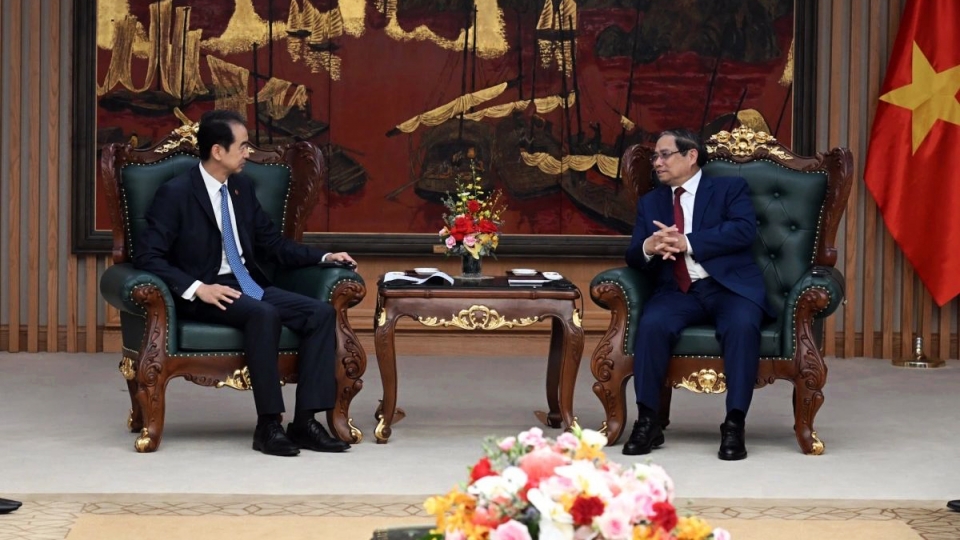
VOV.VN - Vietnamese Prime Minister Pham Minh Chinh met Chinese Ambassador to Vietnam He Wei at the Government Headquarters in Hanoi on April 5, calling for stronger bilateral cooperation across key sectors.