UK offers opportunities but raises the bar for Vietnamese exporters

VOV.VN - While the United Kingdom offers strong export potential for Vietnamese products, companies are being urged to improve quality standards, sustainability practices and supply chain transparency to stay competitive.
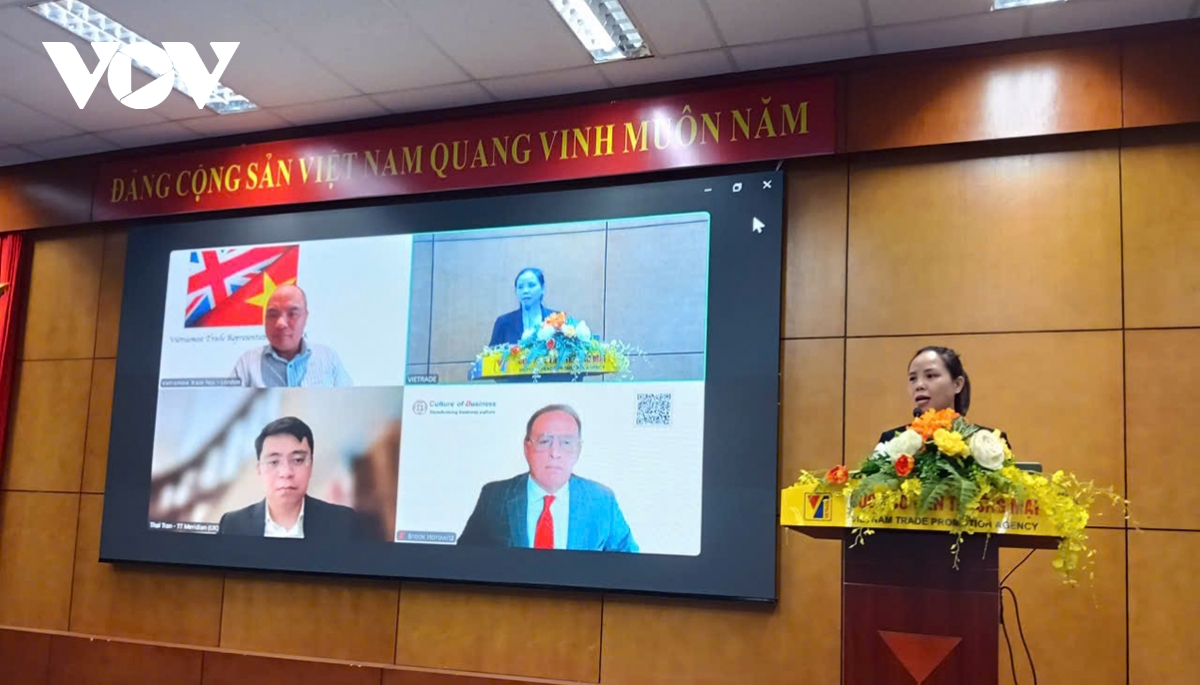
The UK continues to be viewed as one of the most promising markets for Vietnamese exports thanks to its large economy, strong purchasing power and deep integration into global trade. However, alongside growing export opportunities, the market is also imposing increasingly stringent requirements on product standards, traceability and sustainable supply capabilities for Vietnamese enterprises.
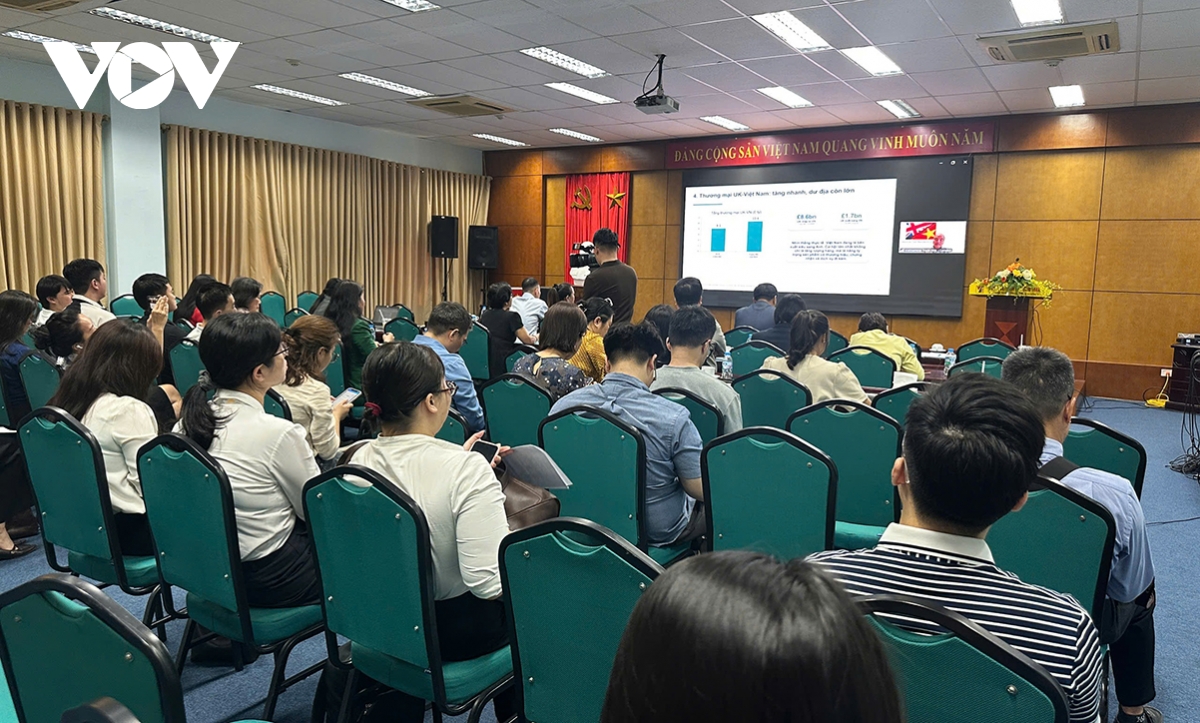
The assessment was highlighted at the seminar “Opportunities and Challenges in the UK Market,” organised by the Trade Promotion Agency under the Ministry of Industry and Trade on May 11.
Vu Viet Thanh, representative from the Foreign Market Development Department under the Ministry of Industry and Trade, said that as Vietnamese businesses seek to diversify export destinations and make greater use of next-generation free trade agreements, understanding the characteristics of the UK market has become increasingly important.
According to the official, following Brexit and the impacts of the COVID-19 pandemic and global economic volatility, the UK is reshaping its role in international supply chains, financial services, the digital economy and sustainable development. With GDP estimated at around US$3.96 trillion in 2025 and expected to continue growing in 2026, the UK is considered a financially strong market with stable consumer demand.
“This is not a fast-growing market, but it is a large and mature market capable of generating long-term value if businesses approach it properly,” Thanh said.
Representatives from the Ministry of Industry and Trade noted that the UK economy is heavily service-oriented, with strengths in finance, logistics, technology, education and professional services. London remains one of the world’s leading financial centres, while industries such as automotive manufacturing, aerospace, pharmaceuticals, energy and high technology continue to play important roles.
Given these characteristics, the UK is not only a destination for goods consumption but also a global hub for standards, services and distribution. For Vietnamese enterprises, entering the UK market is therefore not simply about selling products, but about improving product quality, strengthening supply capabilities and building long-term credibility with import partners.
Statistics from Vietnam Customs show bilateral trade between Vietnam and the UK reached approximately US$9.38 billion in 2025, up more than 11% year on year. Vietnam’s exports to the UK accounted for around US$8.39 billion, with key export categories including garments and textiles, footwear, agricultural and seafood products, wooden furniture, electronic components and consumer goods.
Notably, Vietnam’s export structure has gradually shifted toward a higher proportion of industrial and technology products such as mobile phones, electronics, machinery and components. This trend reflects the increasingly deeper integration of Vietnamese enterprises into global supply chains.
From the perspective of bilateral cooperation, frameworks such as the UK-Vietnam Free Trade Agreement (UKVFTA), the Comprehensive and Progressive Agreement for Trans-Pacific Partnership (CPTPP), the Joint Economic and Trade Committee (JETCO) mechanism and the Comprehensive Strategic Partnership are opening broader opportunities for cooperation in trade, investment, clean energy, green finance, technology and innovation.
However, experts noted that tariff preferences are only part of the advantage. The ability to meet rules of origin, technical standards, environmental and labour requirements, packaging and labelling regulations, and traceability requirements will be the determining factors for Vietnamese businesses seeking to establish a long-term presence in the UK market.
Le Dinh Ba, Vietnamese trade counsellor in the UK, stressed that Vietnamese enterprises need to shift from a mindset of “selling more” to “selling to the right segment, with the right standards and through the right channels.” According to him, current opportunities lie in sectors such as electronics and components, green and sustainable textiles and footwear, legally sourced wooden furniture, deeply processed agricultural products and e-commerce linked with strong brand reputation management.
Experts also cautioned that the UK is not a market where businesses can compete mainly on low prices or short-term strategies. Instead, it is a market driven by standards, trust and sustainable supply capabilities. To succeed, enterprises must carefully prepare production processes, export documentation, branding strategies and distribution networks.
As global supply chains continue to restructure, the United Kingdom is still regarded as a market with significant potential for Vietnamese goods. However, to expand further in this market, Vietnamese businesses will need to enter a new phase of competition in which standards and quality play the decisive role.
Vietnam, UK look to expand all-around cooperation
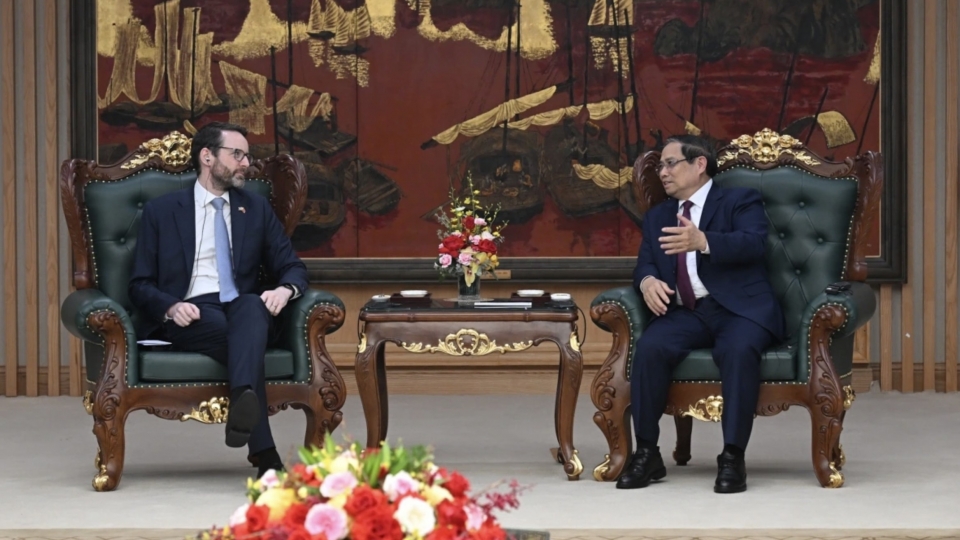
VOV.VN - Vietnam and the UK are looking to expand cooperation across a variety of fields, as Prime Minister Pham Minh Chinh met UK Ambassador to Vietnam Iain Frew in Hanoi on April 6.