Vietnam targets double-digit growth on reform, innovation and infrastructure push

VOV.VN - Vietnam has officially reaffirmed its ambition to achieve double-digit economic growth in the 2026–2030 period, laying out a comprehensive roadmap that combines institutional reform, technological advancement, and strategic infrastructure investment.
The direction is outlined in Conclusion 18 signed by Party General Secretary To Lam on April 2 following the second plenum of the Party Central Committee.
The policy framework signals a shift toward a new growth model that prioritises productivity, innovation, and sustainability, while maintaining macroeconomic stability and improving the quality of life for citizens.
A resilient foundation with structural constraints
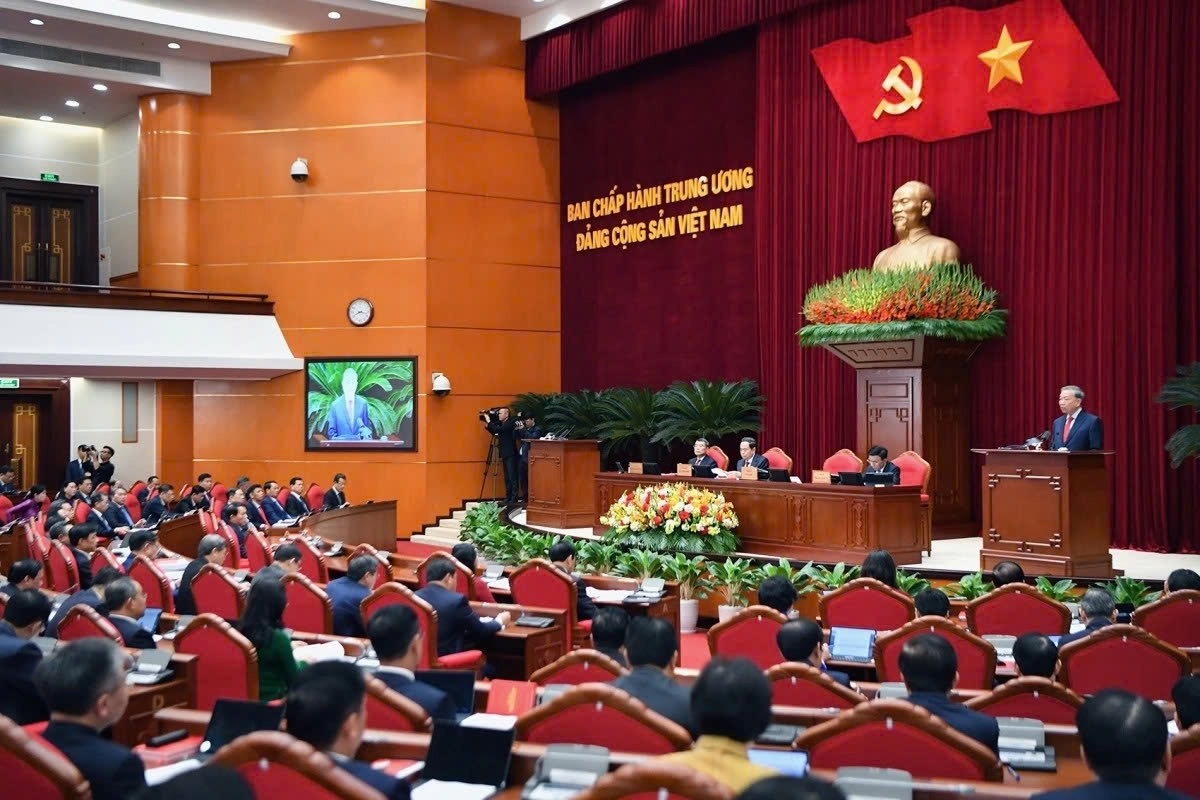
According to the Conclusion, Vietnam enters the new development phase on the back of solid achievements during 2021–2025, despite a highly volatile global environment marked by geopolitical tensions, supply chain disruptions, and financial uncertainty.
Over the five-year period, the country maintained macroeconomic stability and achieved an average annual GDP growth rate of approximately 6.2%, with 2025 recording a notable 8.02% expansion. Of 26 key socio-economic targets, 22 were met or exceeded, including all major social indicators. GDP per capita reached over US$5,000, placing Vietnam in the upper-middle-income group.
Progress was also evident in infrastructure expansion, particularly in expressways and urban transport systems, as well as in digital transformation, social welfare, education, health care, and international integration. National defence, security, and foreign relations were strengthened, contributing to an increasingly favourable development environment.
However, the assessment also highlights persistent structural challenges. The macroeconomic foundation is insufficiently robust, while productivity, efficiency, and competitiveness are still limited. Institutional bottlenecks continue to hinder investment and business activity, and the contribution of science, technology, and innovation to growth is modest. Public investment efficiency is uneven, and resource allocation is at times fragmented.
Ambition for double-digit growth and global positioning
Against this backdrop, Vietnam has set a bold target of achieving average GDP growth of 10% or higher annually during 2026–2030.
This ambition is closely tied to broader strategic goals. By 2030, it aims to become a developing country with modern industry and upper-middle income status, while ranking among the world’s top 30 economies by GDP size.
Importantly, the strategy emphasises that rapid growth must be accompanied by macroeconomic stability, inflation control, and balanced economic development. Improving living standards, ensuring social equity, and enhancing resilience to external shocks are integral to the growth agenda.
Institutional reform as a breakthrough driver
A central pillar of the strategy is comprehensive institutional reform aimed at removing long-standing bottlenecks.
Authorities plan to overhaul legal frameworks related to investment, land, construction, and business operations, ensuring greater transparency and consistency. Administrative procedures will be streamlined and digitised, with a shift from pre-approval mechanisms to more effective post-supervision models.
Decentralisation will be strengthened, granting greater autonomy to local governments, and enhancing accountability and oversight. At the same time, governance reforms will focus on improving policy implementation, monitoring outcomes, and encouraging proactive, responsible leadership within the public sector.
Anti-corruption efforts and measures to prevent waste and inefficiency will continue to be reinforced, alongside policies that protect and incentivise officials who demonstrate initiative and innovation.
Innovation, digital transformation and new growth model
Vietnam’s growth strategy places science, technology, and innovation at the centre of its economic transformation.
The country aims to accelerate digital transformation across all sectors, invest in strategic and core technologies, and develop modern digital infrastructure, including large-scale data systems and national platforms. Emerging areas such as artificial intelligence, biotechnology, and advanced manufacturing are expected to play a growing role.
A key objective is to build a dynamic national innovation ecosystem by strengthening linkages between research institutions, businesses, and international partners. Policies will also focus on attracting global talent and fostering domestic expertise in high-tech fields.
This shift reflects a broader transition from a growth model reliant on capital accumulation and labour expansion to one driven by productivity, efficiency, and knowledge-based industries.
It’s imperative to expand and diversify its export markets and supply chains, effectively leverage signed free trade agreements (FTAs), and develop new markets, while prioritising high value-added, innovation-driven exports that meet green and Environmental, Social, and Governance (ESG) standards, and deepening its integration into strategic global supply chains.
Private sector development and high-quality FDI
The private sector is identified as a crucial engine of growth in the coming decade.
Vietnam aims to create a more enabling and competitive business environment, ensuring equal access to resources and opportunities for domestic enterprises. Small and medium-sized enterprises will receive targeted support, while large corporations are encouraged to expand regionally and globally.
Foreign direct investment (FDI) will be selectively attracted, with a stronger emphasis on technology transfer, innovation capacity, and integration with local supply chains. Rather than relying primarily on tax incentives, Vietnam plans to adopt performance-based incentives tied to actual investment outcomes.
At the same time, efforts will be made to strengthen domestic market development, modernize distribution systems, and expand export markets, particularly for high-value and environmentally sustainable products.
Strategic infrastructure and regional connectivity
Infrastructure development will continue to serve as a key foundation for economic growth.
Vietnam plans to expand its expressway network to over 5,000 kilometers by 2030, while advancing major projects such as the North–South high-speed railway, international ports, and large-scale airports. Urban rail systems and inter-regional transport links will also be prioritised.
In parallel, the country will invest in energy infrastructure to ensure security of supply, including renewable energy and new energy sources, alongside modern water management and climate-resilient systems.
Digital infrastructure is another priority, with investments in data centres, telecommunications networks, and national digital platforms to support the development of a digital economy, digital government, and digital society.
Urbanisation will be accelerated through the development of smart, green cities and new economic zones, enhancing regional connectivity and creating new growth poles.
Macroeconomic stability and financial system development
Maintaining macroeconomic stability remains a fundamental principle throughout the strategy.
Vietnam will continue to coordinate fiscal and monetary policies in a flexible and effective manner to support growth while controlling inflation and safeguarding major economic balances. Public debt will be managed prudently to ensure sustainability and resilience.
Efforts will also focus on developing domestic capital markets as a key channel for long-term financing, reducing reliance on the banking sector. This includes upgrading the stock market, attracting international investment funds, and promoting modern financial instruments such as green finance and carbon markets.
The banking system will be further strengthened through restructuring, improved governance, and enhanced risk management, ensuring stability and efficiency.
Social development, human capital and sustainability
Beyond economic targets, the strategy underscores the importance of inclusive and sustainable development.
Vietnam will invest in education reform, workforce training, and digital skills development to meet the demands of a rapidly evolving economy. English language proficiency and technological literacy are expected to be expanded across the education system.
Social protection systems will be strengthened to ensure broad access to essential services, including healthcare, housing, and social security. Policies will support job creation, income growth, and the expansion of the middle class.
Environmental protection and climate resilience are also key priorities. Measures will focus on reducing pollution, improving urban environmental quality, managing natural resources sustainably, and enhancing resilience to climate change and natural disasters.
Vietnam’s roadmap for 2026–2030 reflects a careful balance between ambition and pragmatism. While the goal of double-digit growth is bold, it is underpinned by a comprehensive set of reforms and policy measures aimed at ensuring sustainability and resilience.
By aligning institutional transformation, technological progress, infrastructure development, and social advancement, Vietnam is positioning itself for a significant economic leap that could elevate its standing in the global economy and deliver tangible benefits to its people in the decade ahead.
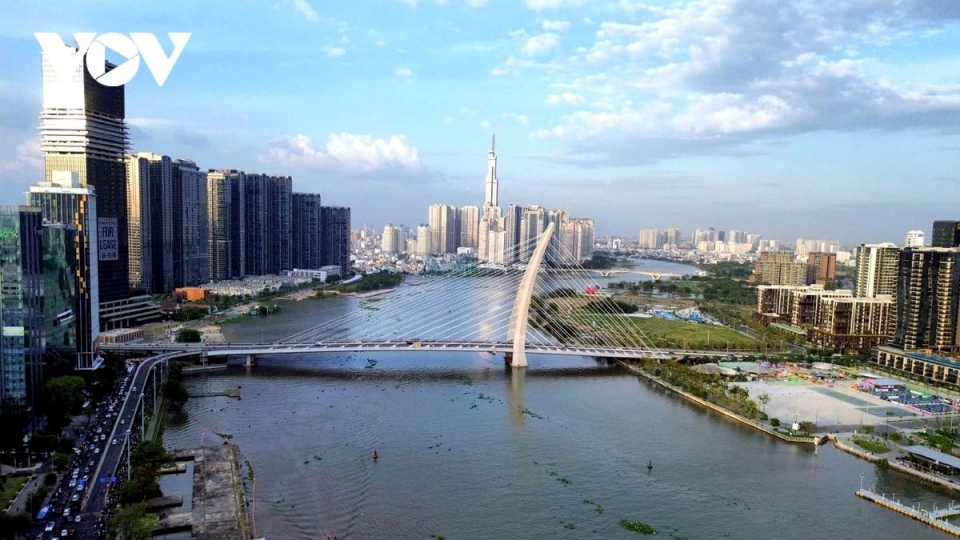
HCM City posts over 8% growth in Q1, double-digit target seen as achievable
VOV.VN - Ho Chi Minh City recorded economic growth of more than 8% in the first quarter of 2026, maintaining strong momentum despite global uncertainties, with officials expressing confidence that the city’s full-year double-digit growth target remains achievable.