Which Vietnamese industries could be hit hardest by Middle East tensions

VOV.VN - Tensions in the Middle East are pushing global oil prices and energy costs higher, adding pressure on inflation, exchange rates and production costs. In that context, many Vietnamese businesses, particularly in fuel-intensive industries, export sectors and aviation, could face greater financial strain.
Strikes by the US and Israel on Iran since February 28, along with retaliatory moves by Iran, have heightened tensions in the region and triggered fluctuations in global energy markets. Oil and gas prices have climbed sharply, the risk of transport disruption at the Strait of Hormuz has increased, and investors have shown clearer risk-averse sentiment.
These developments could create new pressures for Vietnamese companies related to energy costs, transport expenses, exchange rates and financial conditions.
Analysts say that if tensions escalate and persist, the impact on Vietnam’s credit environment would stem mainly from higher energy and transport costs, inflation and exchange-rate pressures, as well as the possibility of tighter financial conditions, rather than direct disruption to export shipping routes.
According to Nguyen Dinh Duy, Director and Senior Analyst at VIS Rating, these factors could weaken the credit profiles of downstream oil and gas firms, fuel- and energy-intensive industries, export sectors and companies with high leverage. The scale of the impact will depend largely on the duration and severity of disruptions to global energy supply.
Energy costs and supply risks
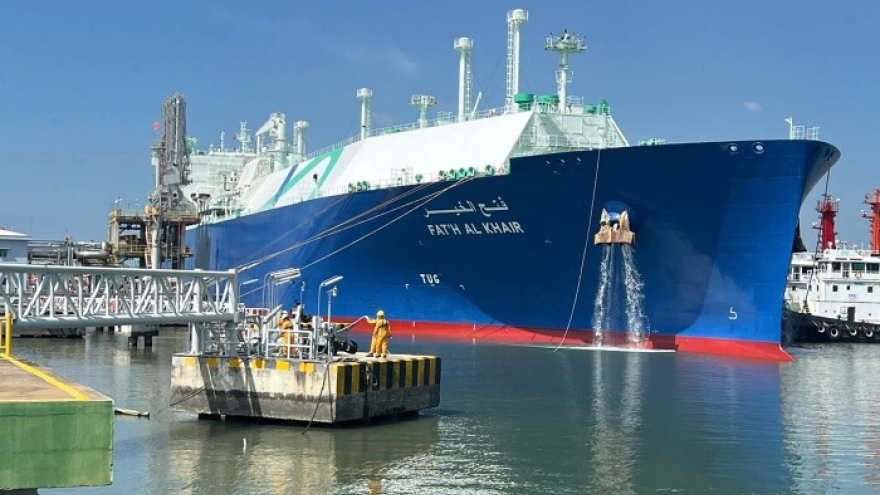
Vietnam relies heavily on imported fuel, leaving domestic production sensitive to supply disruptions and swings in oil and gas prices. Each year the country imports roughly US$20 billion worth of crude oil, petroleum products and related fuels. A large share of supply comes from the Middle East – about 80% of crude oil and 15% of liquefied gas. This leaves Vietnam’s energy supply chain vulnerable to geopolitical shocks in the region.
If armed conflict in the Middle East drags on, domestic refineries could face shortages in crude input supply. The Nghi Son refinery depends largely on imported crude oil, while the Dung Quat refinery sources about 30-35% of its feedstock from imports. In such a scenario, the facilities may need to secure alternative supplies to maintain operations.
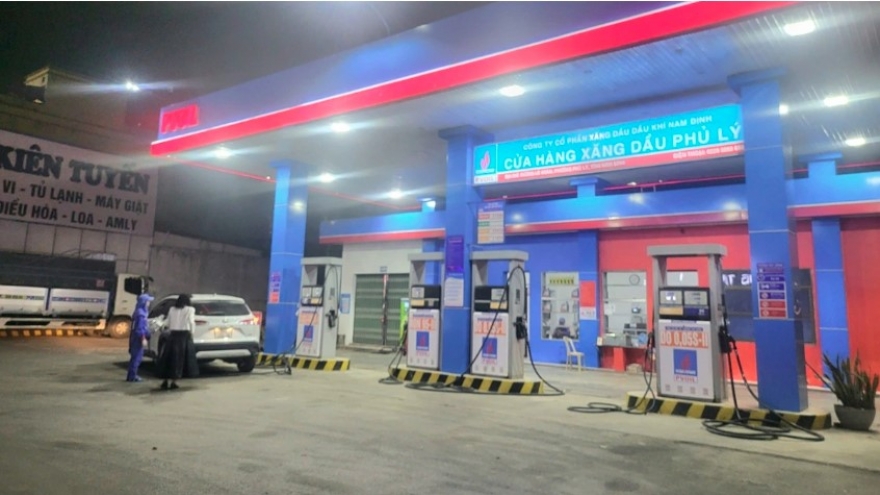
Higher fuel costs could also affect sectors such as transport, industrial production and power generation. This may push up cost-driven inflation while reducing profit margins for businesses that consume large volumes of fuel but have limited room to raise selling prices.
From a trade perspective, Vietnam is considered less exposed to direct disruption in cargo shipping routes. Most key export routes to the US and the European Union do not pass through conflict zones, while transport links within Southeast and East Asia remain stable. However, geopolitical tensions could raise freight rates, insurance costs and shipping times, pushing global logistics expenses higher.
Duy said credit risks may concentrate among exporters of lower-value goods, where logistics costs account for a large share of production costs, including textiles and garments, seafood and wood products. Sea freight currently represents about 10% of the value of textile export orders and around 20-30% for wood products.
“When transport costs rise sharply, final consumer prices also increase, placing pressure on demand, order prospects and short-term revenue for Vietnamese exporters,” Duy said.
Exchange-rate and financial risks
Fluctuations in global energy and transport markets could also influence international monetary policy. Higher energy and freight costs may lift inflation in the US, prompting the US Federal Reserve to delay monetary easing and thereby supporting the strength of the US dollar.
Duy warned that such developments could place sustained depreciation pressure on the Vietnamese dong, increasing foreign-exchange risks for Vietnamese companies with US-dollar-denominated debt.
Companies likely to face the greatest impact include power producers and water utilities such as PGV, PC1, BGE and BWE, as well as airlines including HVN and VJC. These firms carry a significant share of US-dollar debt while also paying substantial operating expenses in foreign currency, including fuel, aircraft leases and maintenance.
Prolonged exchange-rate volatility could weaken debt-servicing capacity and credit profiles for these companies, particularly those with limited hedging.
Inflation and exchange-rate pressures may also lead to more cautious domestic monetary policy, with higher interest rates and tighter liquidity management. This would increase funding costs and refinancing risks, especially for real estate and infrastructure companies with high financial leverage, limited interest-coverage capacity and large debt maturities in the near term.
If disruptions to global energy supply persist, Vietnam’s macroeconomic outlook could become less favourable and achieving the country’s 2026 growth target may prove more difficult as energy costs rise, external demand weakens and financial conditions tighten.
However, VIS Rating notes that Vietnam’s position as a manufacturing hub with a stable political environment could help ease some of these pressures through continued inflows of foreign direct investment, which may support the exchange rate in the medium term.
In the near term, VIS Rating recommends that businesses prepare response scenarios, optimise costs and diversify supply sources and funding channels to navigate the current period of heightened uncertainty.

Rising oil prices and shipping costs from Middle East tensions add pressure to businesses
VOV.VN - Geopolitical tensions in the Middle East are pushing up oil prices and maritime freight rates, increasing cost pressure on businesses, particularly exporters and manufacturers that rely heavily on logistics and imported inputs.