Middle East conflict drives up logistics costs, pressuring local exporters

VOV.VN - Rising logistics costs, longer shipping times and growing trade risks caused by the Middle East conflict are putting pressure on Vietnam’s export-import businesses.
Rising costs and prolonged shipping as key routes disrupted
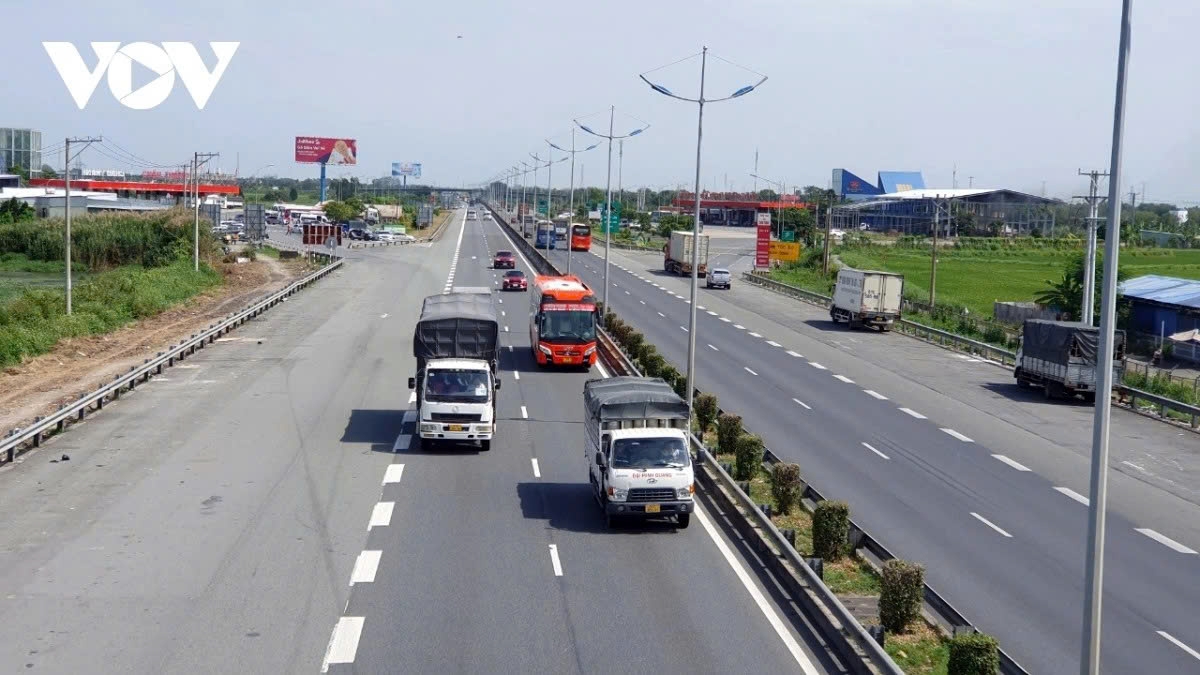
The ongoing conflict in the Middle East is driving up logistics costs, extending shipping times and disrupting supply chains, placing significant pressure on Vietnam’s export-import businesses.
For the textile industry, the impact has been particularly pronounced. Nguyen Thi Tuyet Mai, deputy general secretary of the Vietnam Textile and Apparel Association (VITAS), noted that rerouted international shipping paths to avoid high-risk areas have extended delivery times by two to three weeks. This has increased warehousing and financing costs while raising the risk of contract breaches.
“In today’s highly competitive market, even a slight delay can harm a company’s reputation or lead to lost and reassigned orders. Rising fuel prices are also pushing up domestic operating costs, compounding the burden on the entire production and export chain,” Mai said.
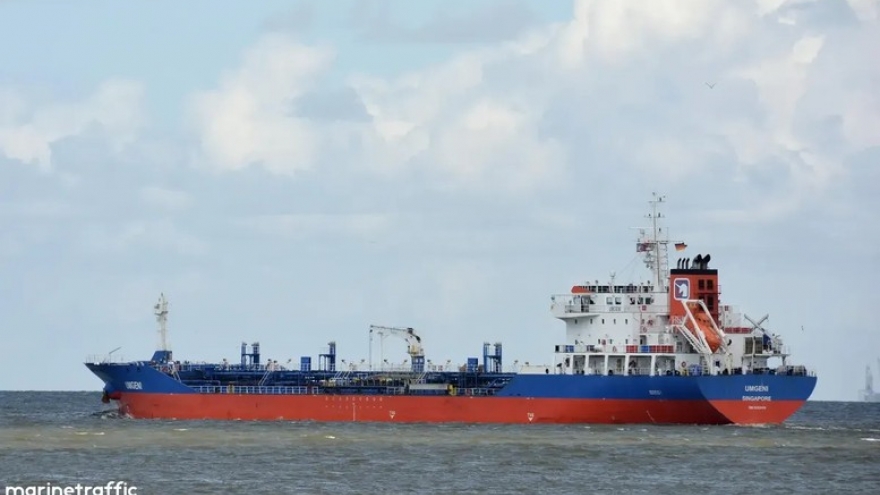
Major shipping lanes have been disrupted as vessels are rerouted around southern Africa instead of passing through the Suez Canal. According to Nguyen Tuan Viet, director general of export promotion company VIETGO, transit times from Vietnam to Europe have nearly doubled in some cases,from around 25 days to almost 50 days, while ocean freight rates have surged two to three times above normal levels.
These delays not only increase warehousing and financing costs but also raise the risk of contract breaches, directly affecting business credibility. In an increasingly competitive market, even minor delays can lead to lost orders. At the same time, rising fuel prices are pushing up domestic operating costs, adding further pressure across the entire production and export chain.
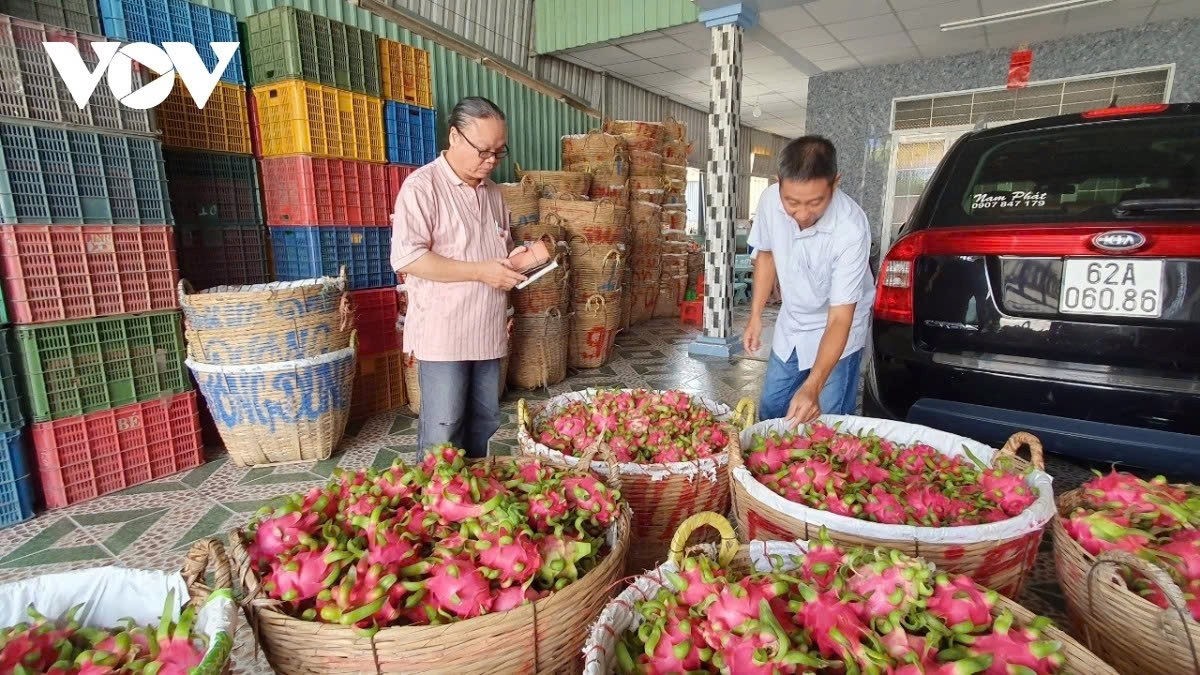
Extended transit times are particularly challenging for perishable agricultural products, where product quality may deteriorate significantly before reaching destination markets.
Growing trade risks prompt calls for proactive response
Truong Xuan Trung in charge of Vietnam Trade Office in the United Arab Emirates pointed out that beyond cost pressures, logistics disruptions are also increasing the risk of commercial disputes and delayed payments. Some shipments dispatched before the escalation of the conflict are now facing delivery delays, leading to potential contractual disputes.
The Middle East, especially the United Arab Emirates, serves as a key global transshipment hub linking Asia with Africa and Europe. Instability in the region therefore has broader implications for global trade flows.
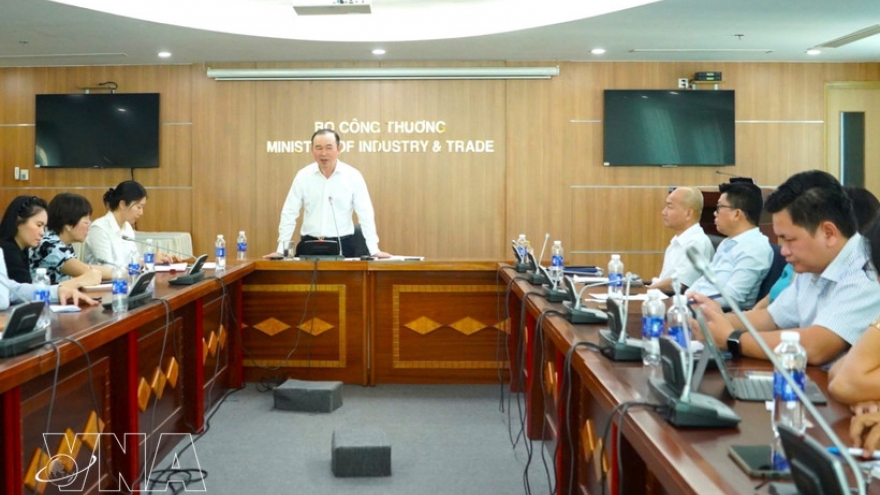
According to the Vietnam Logistics Business Association (VLA), geopolitical tensions are creating three major layers of risk for businesses, namely energy, logistics and exchange rates. VLA Deputy Director General Ngo Khac Le said potential disruptions to strategic routes may drive up oil prices, while shipping lines impose surcharges and extend delivery schedules. Meanwhile, a stronger US dollar is increasing costs, as most logistics and shipping services are priced in the US currency.
In response, the VLA official recommended that businesses strengthen long-term risk management strategies by carefully reviewing transport contracts, particularly clauses related to war risks and route deviations, while expanding insurance coverage and diversifying shipping routes and transshipment hubs.
In cases where vessels are forced to offload cargo at unplanned ports due to security risks, companies may face additional costs such as container storage, warehousing, re-routing or even finding alternative markets.
As global supply chains continue to be shaped by geopolitical uncertainties, enhancing risk management capacity and maintaining operational flexibility will be critical for Vietnamese exporters to sustain stable operations and protect business performance.
Middle East tensions test resilience of Vietnam’s agriculture sector
VOV.VN - Escalating tensions in the Middle East are posing significant challenges to global supply chains, but also serving as a critical test of resilience and adaptability for Vietnam’s agriculture sector, according to Minister of Agriculture and Environment Tran Duc Thang.