Vietnamese travelers shift to regional destinations amid Middle East tensions

VOV.VN - Vietnamese travelers are increasingly shifting to regional and domestic destinations as tensions in the Middle East disrupt travel routes and drive up long-haul airfares.

According to major travel companies such as Dat Viet Tour, Vietravel, Du Lich Viet and Trang An Travel, bookings to Middle Eastern destinations, including Dubai, Jordan and Egypt, as well as itineraries to Europe via the region have declined significantly since the escalation of regional tensions.
In response, many travelers are opting for closer destinations such as Japan, China, the Republic of Korea, Singapore and Malaysia, citing safety, shorter travel times and simpler entry procedures.
Do Van Thuc, deputy general director of Dat Viet Tour, noted growing demand for Northeast Asian markets, particularly China, which offers diverse itineraries and convenient visa policies.
“Non-shopping tours are performing especially well,” he added.
Similarly, Du Lich Viet is preparing to expand its portfolio of short-haul outbound and domestic tours amid ongoing geopolitical uncertainties and rising ticket prices. The upcoming holidays of the Hung Kings birth anniversary and National Reunification Day (April 30) and May Day (May 1) are expected to drive strong demand for regional travel.
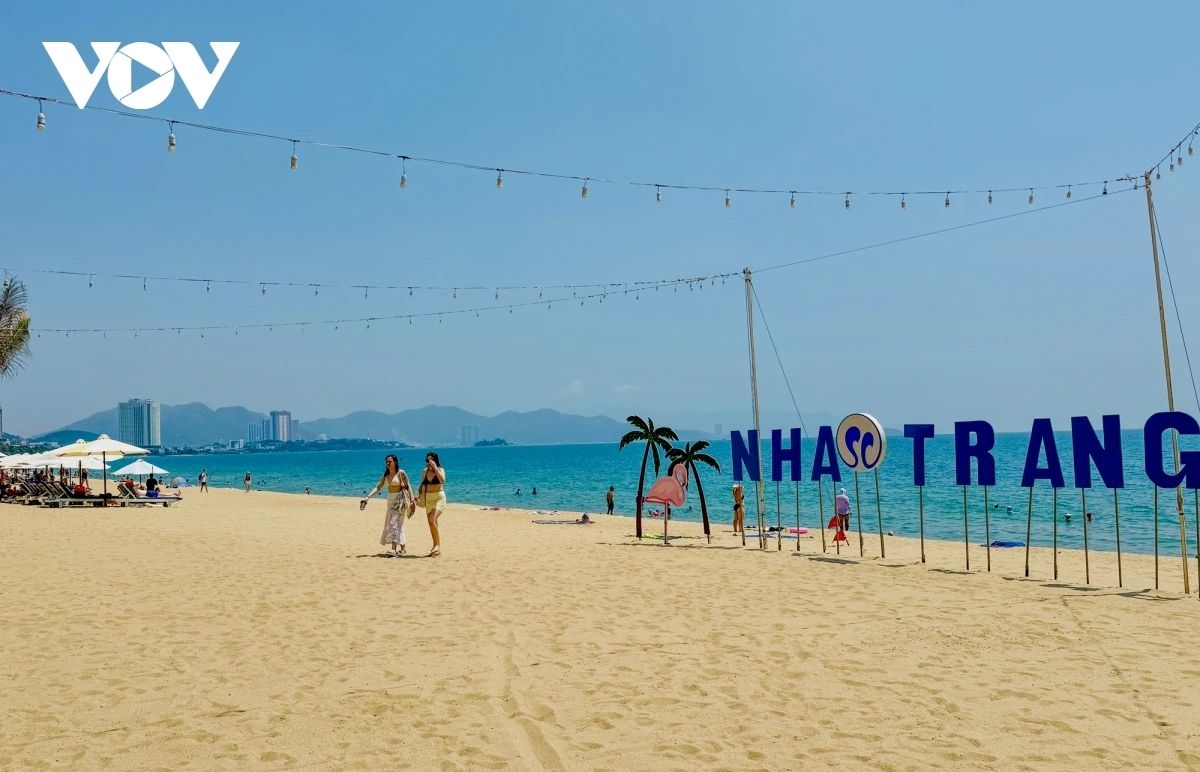
Pham Anh Vu, Deputy General Director of Du Lich Viet, reported domestic tours of three to five days are gaining popularity due to their affordability and flexibility. Coastal destinations such as Phu Quoc, Nha Trang and Quy Nhon, along with highland and northern routes including Da Lat, Mang Den, Ha Giang, Sa Pa and Ninh Binh, are among the top choices.
Travel firms specialising in Middle Eastern markets, including HVN Travel, are also adjusting their strategies by pivoting toward Southeast Asia, Northeast Asia and selected European routes with alternative flight paths. Domestic travel packages combining flights and accommodation are being promoted as cost-effective options.
Despite the shift toward nearby destinations, long-haul markets such as Europe and the United States continue to attract interest for the summer and autumn seasons. Travel companies are therefore exploring alternative routes that avoid Middle Eastern transit hubs, while strengthening advisory services on risks, costs and travel conditions to help customers make informed decisions.

Mozambique grants e-visa to Vietnamese travelers
VOV.VN - Mozambique has launched an electronic visa (e-visa) system for citizens of 183 countries and territories, including Vietnam, marking a major step in the country’s tourism drive and broader digital transformation agenda.