How Vietnam’s three strategic pillars aim to unlock sustainable development

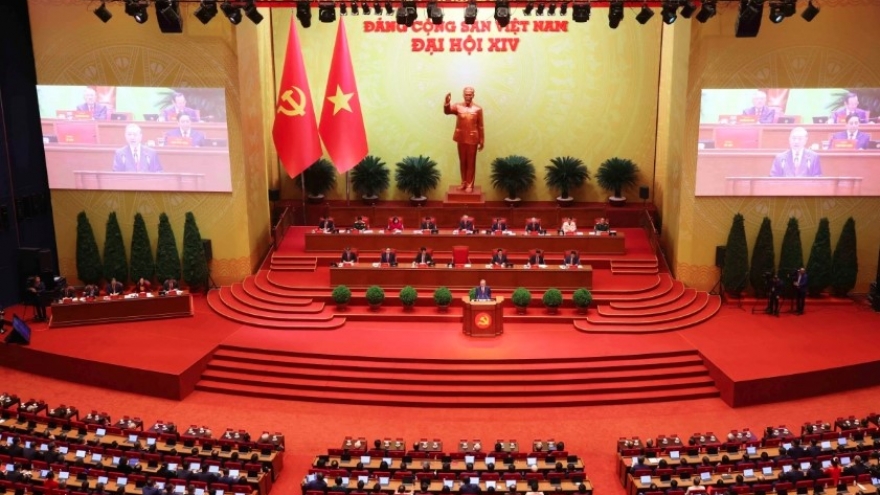
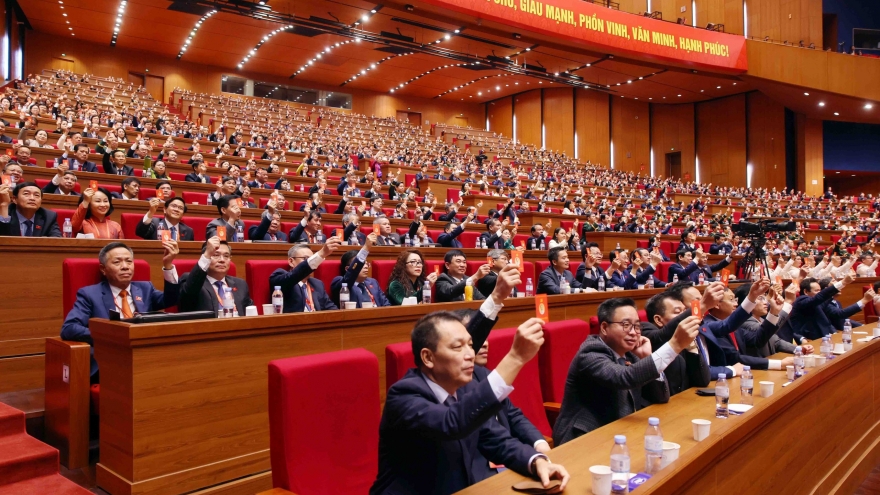
VOV.VN - The recent 14th National Congress of the Communist Party of Vietnam has outlined three strategic breakthroughs that experts view as key to the country’s transition to high-quality and sustainable development.
Experts say the three breakthroughs are closely interconnected, with institutions setting the framework, human resources determining the speed and quality of growth, and infrastructure providing the physical base and development space.
Institutions as the “breakthrough of breakthroughs”
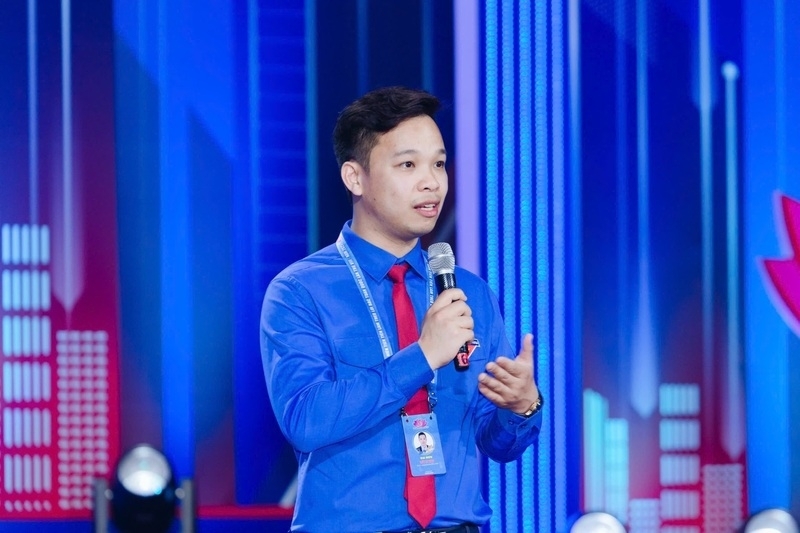
Associate Professor Dr. Tran Le Hung of Gustave Eiffel University in France stresses institutional reform is the most critical breakthrough, aimed at building a clean, strong socialist rule-of-law state, streamlining administrative procedures, decentralising authority and accelerating digital governance.
Stronger institutions will help mobilise and allocate resources more efficiently, reduce compliance costs for businesses and citizens, and create a favourable environment for innovation and private sector development, he says.
Dr. Le Khanh Cuong, a macroeconomic policy expert at the University of Economics and Business under Vietnam National University, Hanoi, points out that the priority after the Congress is to translate strategic orientations into concrete, measurable action programmes.
In the short term, he analyses, Vietnam should remove legal bottlenecks that hinder investment and innovation. In the medium term, it needs to improve policy design and implementation, shifting from a “management” mindset to a “development-enabling” approach. In the long term, the country should build a modern, stable and adaptive institutional system, particularly for the digital, green and circular economy.
Human resources as a decisive growth driver
Developing high-quality human resources is seen as essential to boosting productivity and competitiveness. Vietnam will focus on reforming education and training, strengthening digital skills, better linking education with labour market needs, and attracting and retaining talent.
Dr. Cuong points to the fact that only about 25% of Vietnam’s workforce has formal qualifications, lower than in several regional peers. He calls for stronger reforms in higher education and vocational training, along with large-scale reskilling and upskilling, especially in science, technology, modern management and digital transformation.
At the same time, recruitment, evaluation and remuneration systems in the public sector should be made more transparent and merit-based.
Infrastructure as a long-term foundation
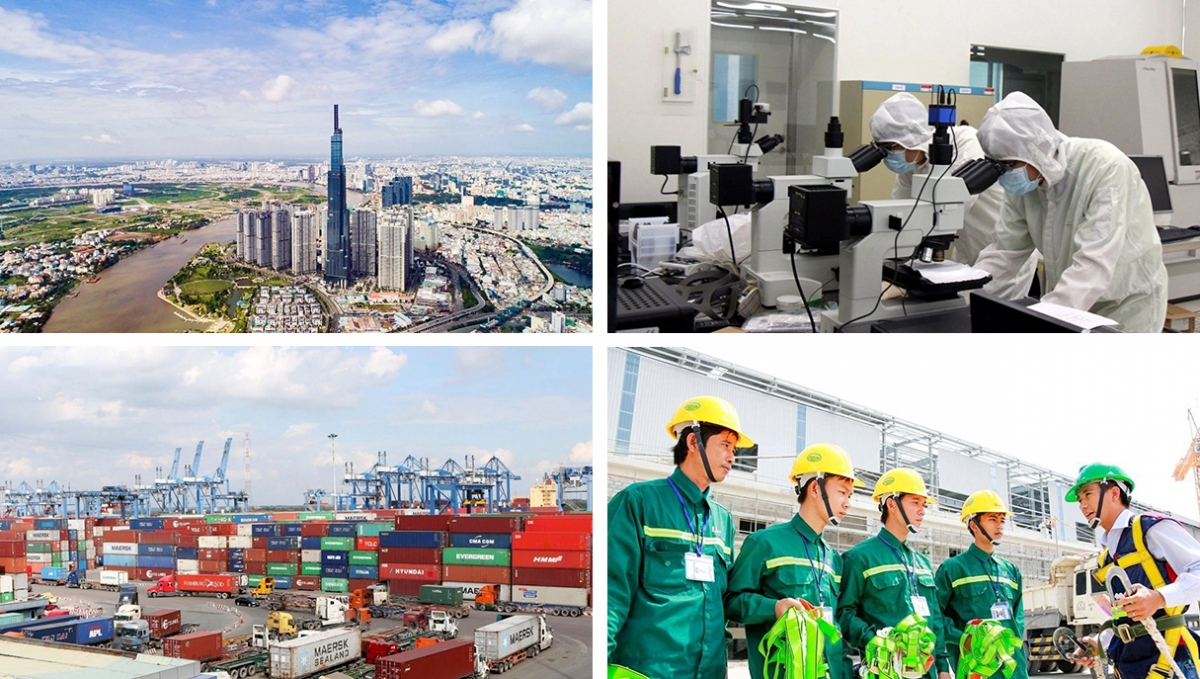
Building a synchronous and modern infrastructure system is considered an investment in Vietnam’s long-term development capacity. Priorities include strategic transport networks, digital infrastructure, clean energy, telecommunications and smart urban systems.
Dr. Hung argues better infrastructure would strengthen regional connectivity, reduce logistics costs and support the growth of the digital economy and society.
He also underscores the need to mobilise diversified investment sources through transparent and effective public-private partnerships, and to integrate green transition and climate resilience into infrastructure planning from the outset.
A development-enabling state with social inclusion
Dr. Cuong emphasises that a development-enabling state must go hand in hand with strong social security and inclusive growth. Economic expansion is only sustainable when its benefits are shared broadly and no one is left behind.
Development policies should integrate inequality reduction and support for vulnerable groups, particularly during digital and green transitions, while strengthening a comprehensive social security system and ensuring equal access to basic services such as education, healthcare and housing, he recommends.
With the three strategic breakthroughs implemented in a coherent and effective governance framework, experts say Vietnam is well positioned to achieve fast, high-quality and sustainable growth in the coming years.
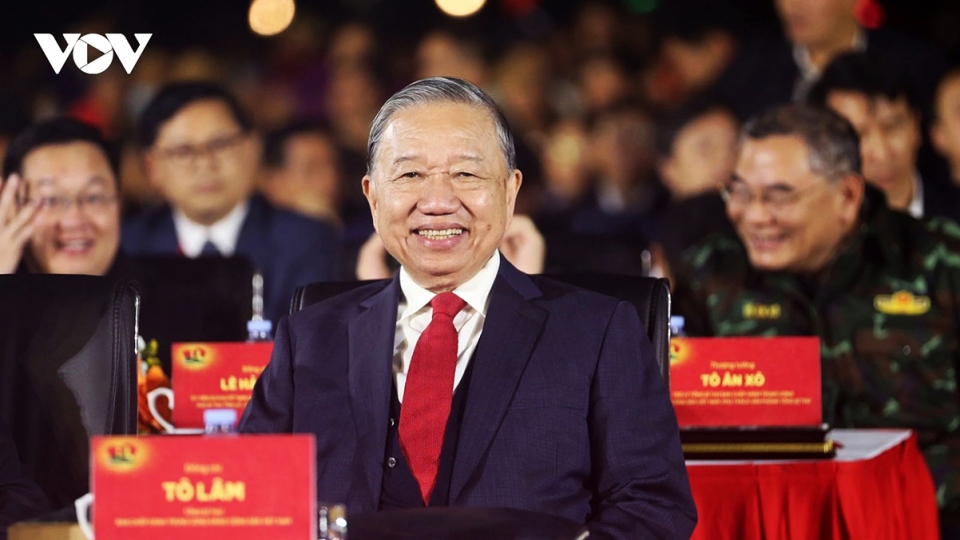
Party chief To Lam calls for unity, self-reliance and sustainable development
VOV.VN - Addressing a nationwide televised ceremony marking the 85th anniversary of President Ho Chi Minh’s return to Vietnam, Party General Secretary To Lam highlighted the enduring lessons of self-reliance, people-centred development and national unity in the country’s new development phase.