Building new growth drivers for Vietnam’s next development period

VOV.VN - To move from a middle-income economy to high-income status, Vietnam can no longer rely primarily on traditional growth engines. Science and technology, innovation and digital transformation must become the main sources of momentum for the next period of development.
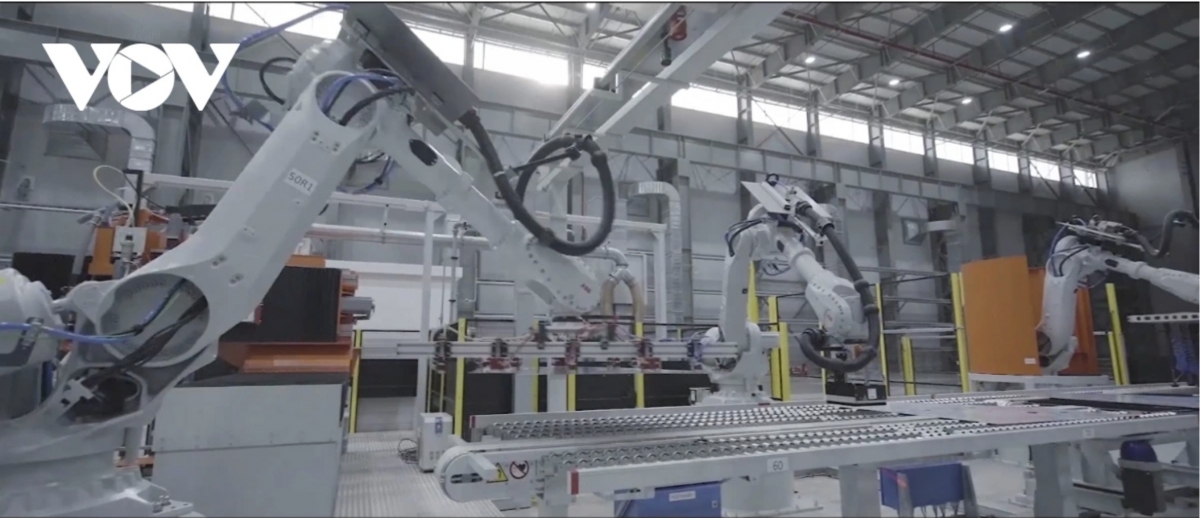
Science and technology as foundation of new growth model
Vietnam has set demanding targets: average annual growth of at least 10% during 2026-2030, achieving upper-middle-income status by 2030 and high-income status by 2045. Meeting these goals will require a decisive shift away from growth patterns based largely on investment, exports, capital accumulation, natural resources and low-cost labour.
The Politburo’s Resolution No. 57 identifies science, technology, innovation and digital transformation as the most important breakthroughs, and as the major drivers for modernising productive forces, improving production relations, reforming national governance and boosting socio-economic development.
According to Nguyen Thi Viet Nga, a National Assembly deputy from Hai Phong city, three bottlenecks continue to constrain the emergence of new growth drivers. The first concerns institutions and legislation, which remain inconsistent and overlapping, with decentralisation not clearly tied to accountability and administrative procedures still cumbersome. The second lies in fragmented funding for infrastructure, science, technology and digital transformation, with research and development spending at around 0.5% of GDP, far below regional levels. The third is human capital, particularly shortages of highly skilled workers in technology, renewable energy, artificial intelligence and big data analytics.
There is no single development model applicable to all countries. Approaches must reflect each nation’s historical context, stage of development and prevailing trends. In Vietnam’s current circumstances, science and technology should be treated as the foundation of a new growth model, said Nguyen Dinh Duc, a professor at the University of Engineering and Technology under Vietnam National University, Hanoi.
He noted that the key challenge lies in translating policy intent into real economic capacity. As the scope of traditional growth drivers narrows, science and technology cannot continue to be viewed merely as expenditure rather than long-term investment. Resources, he argued, should be concentrated on strategic technologies and high-quality human capital instead of being spread thinly.
Putting new growth drivers into practice
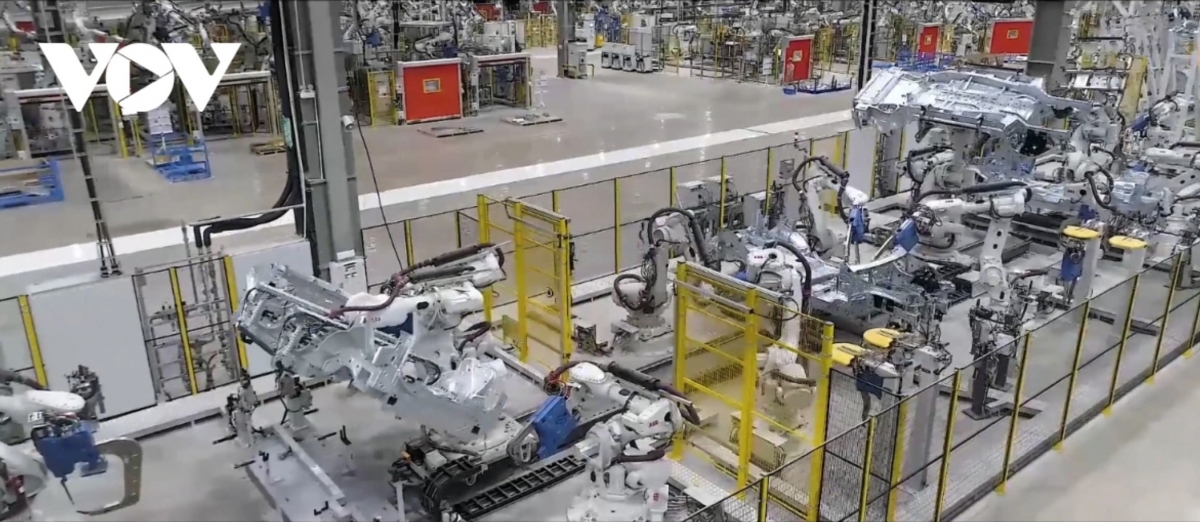
To put new growth drivers into practice, Nguyen Thi Viet Nga, outlined three main areas of action. The first is institutional reform, with a facilitative government, laws moving ahead of practice, clearer individual accountability and reduced administrative intervention in the market. The second involves stronger financial mechanisms, including a national innovation fund, green credit instruments and transparent public–private partnerships for strategic infrastructure, alongside incentives for enterprises to invest in technology and digital transformation. The third focuses on human capital, linking training more closely to market demand, attracting talent and strengthening cooperation among businesses, universities and research institutes.
Science and technology, innovation and digital transformation are widely expected to form the core of Vietnam’s future growth model. However, experts caution that a transition to a knowledge-based economy will not be possible without substantive education reform and more effective use of talent, particularly in advanced and applied technologies.
Dr Nguyen Quoc Viet from the University of Economics under Vietnam National University, Hanoi, said meaningful investment, especially in higher education, is essential if science and innovation are to become genuine drivers of growth. He also called for the controlled piloting of sandbox models in emerging fields such as fintech, renewable energy, the digital economy, the circular economy and green growth, warning that excessive caution could lead to missed opportunities.
Vietnam remains at an early stage in building science and technology, innovation and digital transformation as new growth drivers. Their development, experts agree, must be embedded in a balanced ecosystem encompassing institutions, infrastructure, human capital, the state, scientists and enterprises, with institutions taking the lead.
Vietnam pins double-digit growth hopes on three growth drivers
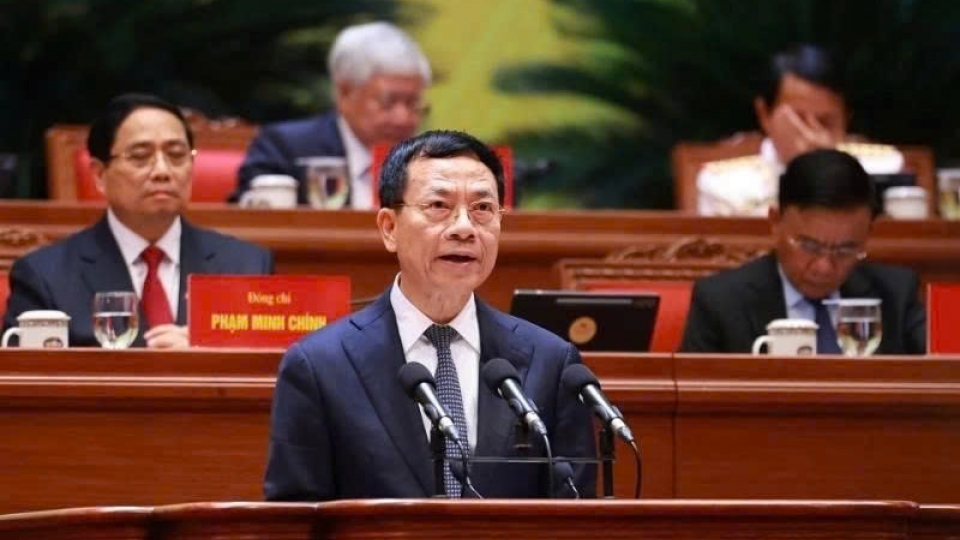
VOV.VN - Vietnam must rely on science and technology, innovation and digital transformation as three core growth drivers if it is to achieve sustained double-digit economic growth and move from middle-income to high-income status, Science and Technology Minister Nguyen Manh Hung said.

Vietnamese economy thrives on investment and consumption growth drivers
VOV.VN - With a GDP growth rate of 7.09% in 2024, Vietnam has emerged as the fastest-growing economy in Southeast Asia and continues to lead the way in attracting foreign direct investment (FDI) and exports.