Hanoi targets 1–3 firms in SEA’s Top 500 as it restructures state sector

VOV.VN - Hanoi has set a target of building one to three enterprises capable of ranking among Southeast Asia’s Top 500 companies, as the capital moves to restructure its state sector and strengthen its role in key strategic industries.
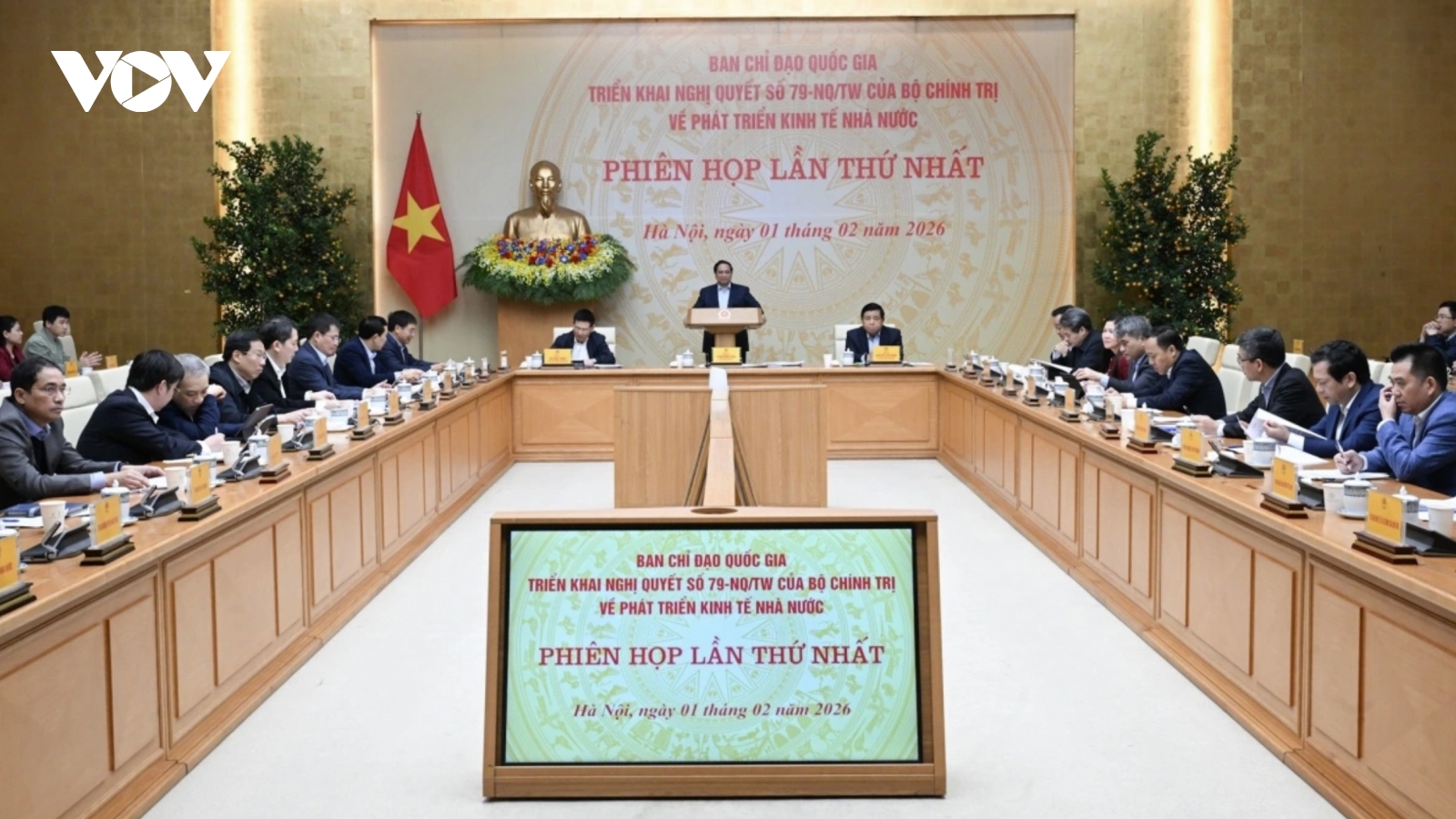
The goal was outlined by the municipal People’s Committee at a conference on February 25 to unveil the city’s draft action plan to carry out the Politburo’s Resolution 79 on state sector development.
According to the city leadership, Hanoi currently manages 54 state-owned enterprises (SOEs) with total state capital of approximately VND28.6 trillion (US$1.1 billion). These enterprises contribute more than VND2.6 trillion annually to the state budget but remain limited in scale and innovation capacity.
The restructuring plan aims to complete SOE reorganisation by 2027, while maintaining 100% state ownership in essential infrastructure sectors such as water supply, drainage, public transport and urban environmental services.
Beyond enterprise reform, Hanoi plans to maximise land and public asset management. The city targets land-related budget revenue of about VND400 trillion in the 2026–2030 period, more than double the previous phase. In 2026, authorities will complete land measurement, digitisation and data cleansing, review delayed projects and identify land reserves for future development.
The capital also plans to fully digitise public assets, attach spatial data and enhance transparency in asset utilisation. Public investment in 2026–2030 will focus on large-scale, high-impact infrastructure projects, while expanding public-private partnership (PPP) models such as “public investment – private management” and piloting concessions for state-funded infrastructure.
Hanoi aims to mobilise roughly VND3.695 quadrillion in total budget resources during 2026–2030, equivalent to 32.3% of GRDP, and increase development investment spending to about 51.7% of total expenditure. Authorities stressed that public investment will be concentrated rather than dispersed, prioritising strategic and breakthrough projects.
City leaders noted that all projects must undergo economic accounting to assess socio-economic returns, aligning with guidance from General Secretary To Lam that investment effectiveness should be measured not only by disbursement rates but by capital recovery timelines and contributions to national growth.
Hanoi also called on local administrations to review and optimise the management of land, budget resources, public assets and public service units, with implementation plans to be finalised by March 2026.
The action programme, city officials said, is intended not only to reinforce the leading role of the state sector, but to ensure it becomes a proactive force in shaping a new growth model and driving sustainable development in the capital.
Vietnam positions state sector as pillar of national resilience, says Party leader
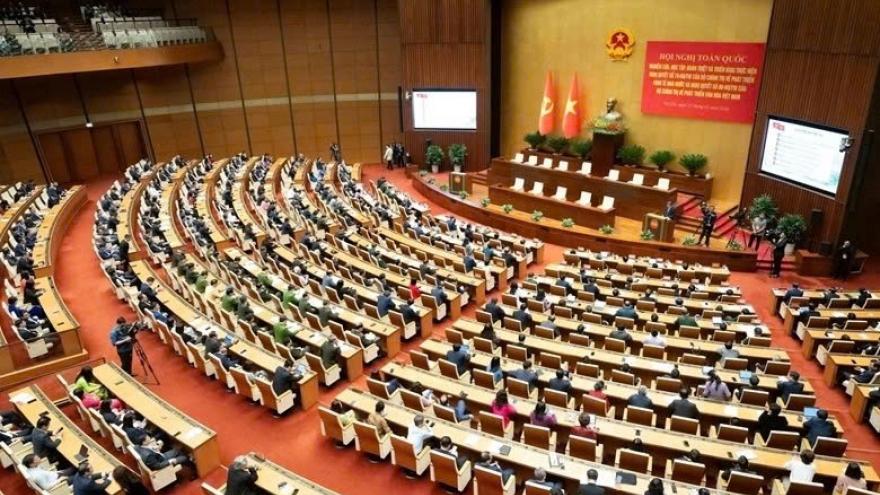
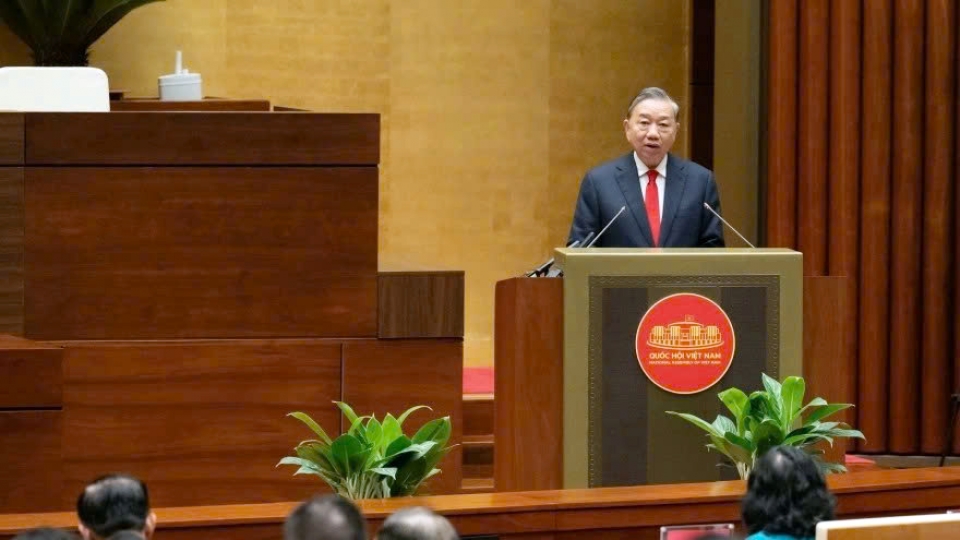
VOV.VN - The state sector must become not merely a dominant economic actor, but a central pillar of national resilience in the country’s new development era, said General Secretary To Lam at a national conference to implement two Politburo resolutions on the state sector and cultural development in Hanoi on February 25