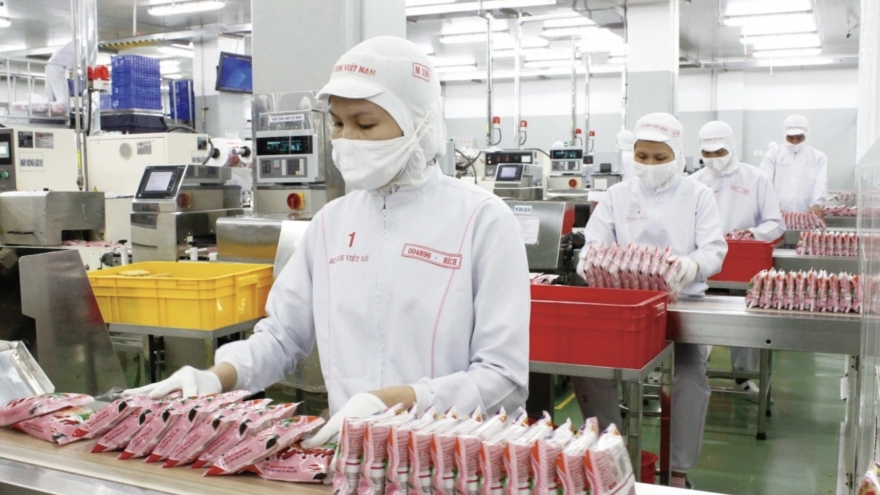
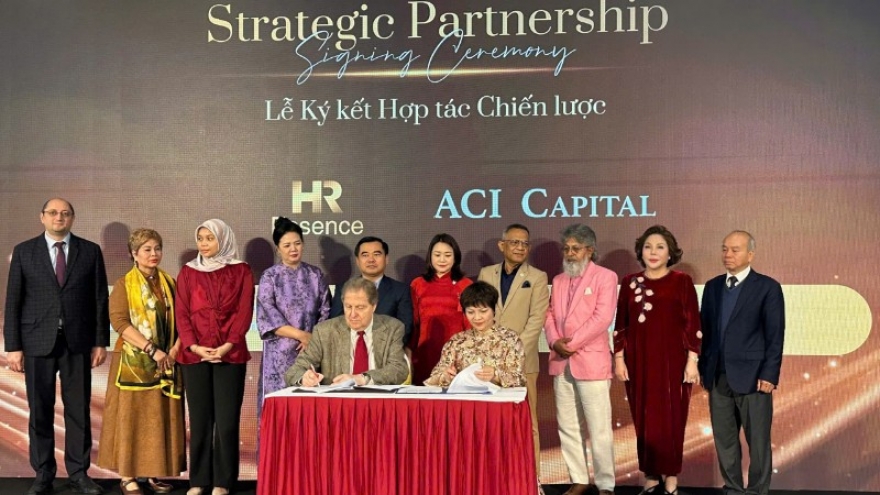
Green transition key for Vietnamese firms to meet ESG standards in Malaysia market

VOV.VN - Vietnamese firms are encouraged to adopt green production to meet Halal and ESG (environmental, social, and governance) standards to expand access to the Malaysian and global markets, experts said at a seminar in Ho Chi Minh City on April 23.
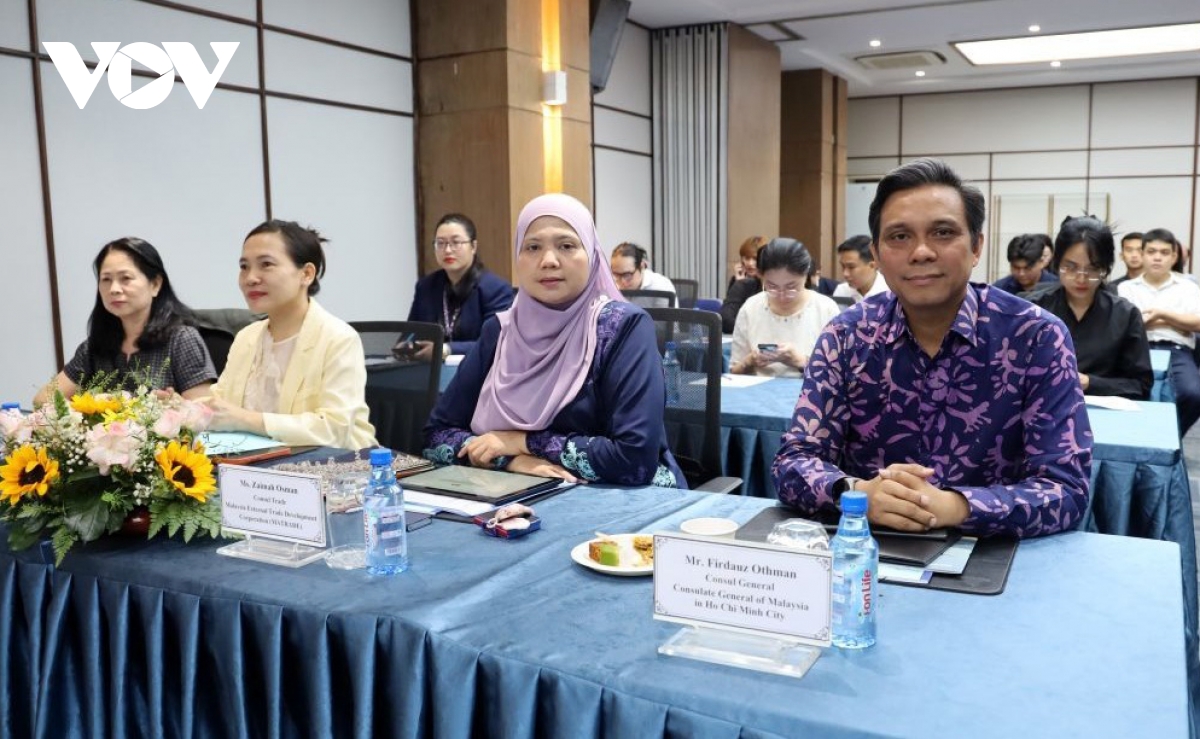
The event, co-organised by the Ho Chi Minh City Investment and Trade Promotion Centre (ITPC), the Malaysian Consulate General, and the Malaysia External Trade Development Corporation (MATRADE), highlighted the need to support Vietnamese enterprises in transitioning to green production in order to meet both Halal and ESG standards, thereby expanding market access to Malaysia and integrating more deeply into global supply chains.
Le Anh Hoang, deputy director of ITPC, noted that relations between Vietnam and Malaysia are at their strongest following their upgrade to a Comprehensive Strategic Partnership. Both countries are working toward a target of US$25 billion in bilateral trade by 2030, with total trade already surpassing US$15 billion in 2025. Ho Chi Minh City alone recorded exports of over US$708 million to Malaysia.
He, however, pointed out that while exports to Malaysia still hold significant growth potential, compliance with both Halal and green standards remains a major challenge, particularly for small and medium-sized enterprises. Barriers include limited investment capacity, the need for cleaner production processes, and the requirement for transparent data systems to ensure periodic certification.
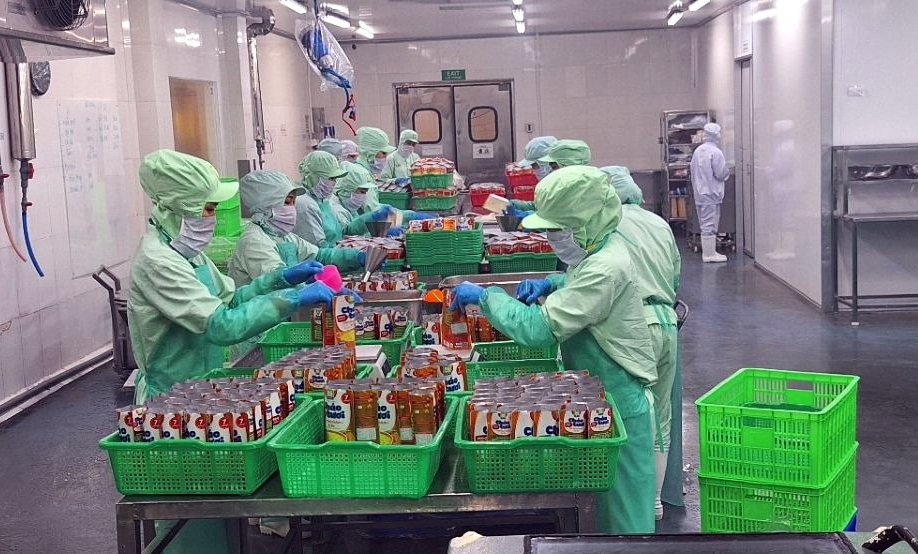
Amid a global shift toward sustainable consumption, especially within Muslim-majority markets, Malaysia has been actively promoting ESG-compliant products through policy incentives. This trend is placing increasing pressure on exporters to meet stricter standards in order to remain competitive.
Firdauz Othman, Consul General of Malaysia in Ho Chi Minh City, commended Vietnam’s national strategy for developing its Halal industry by 2030, emphasising that Malaysia is well positioned to serve as a strategic gateway for Vietnamese products entering the global Halal market.
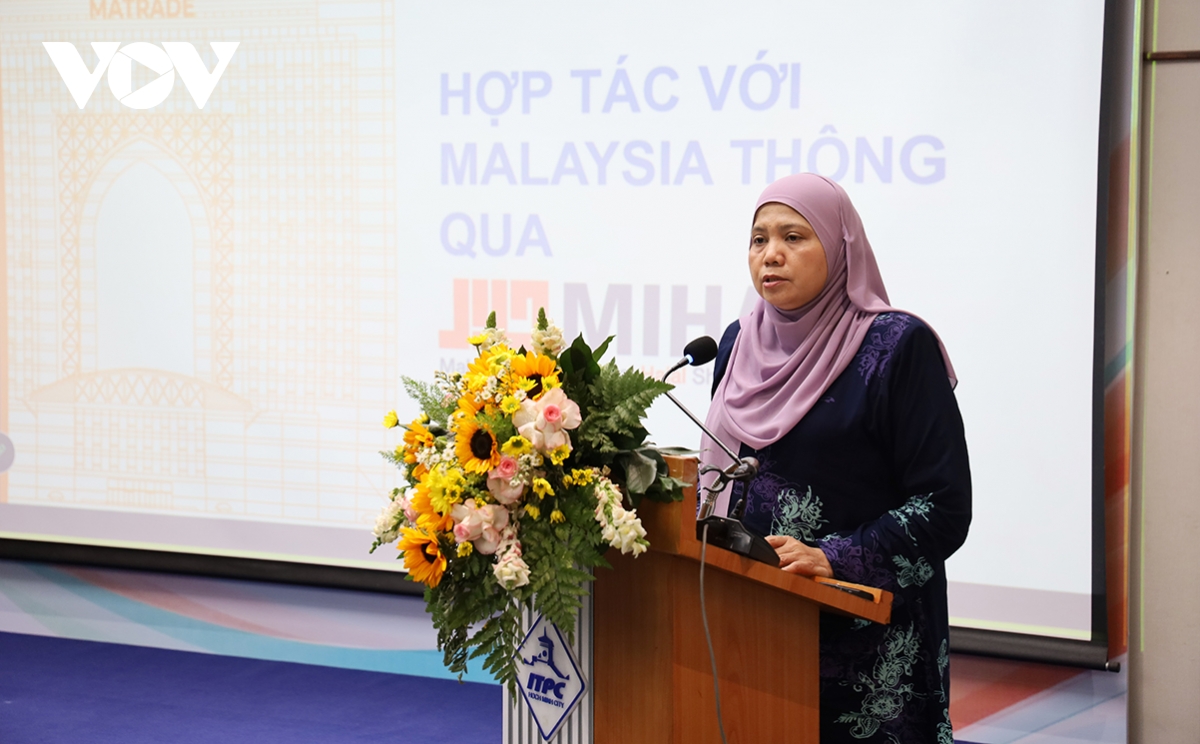
Zaimah Osman, Trade Consul at MATRADE, underscored the growing convergence between Halal and sustainability standards, revealing that the Halal industry generated 8.1% of Malaysia’s GDP in 2025.
Halal certification is increasingly viewed as a structured approach that also supports compliance with international ESG requirements and ISO standards such as ISO 9001 and ISO 22000, she said.
Experts also shared that consumer behaviour is also evolving, with Muslim consumers, particularly younger and urban segments, placing greater emphasis on ethical and sustainable products, including environmentally friendly packaging and animal welfare considerations.
From the business perspective, companies see compliance with both Halal and ESG standards not only as a requirement but also as an opportunity to enhance competitiveness, diversify markets, and participate more deeply in global value chains.
Experts at the seminar stressed that stronger policy support, technical guidance, and international cooperation would be essential to help Vietnamese enterprises accelerate their green transition and fully capitalise on opportunities in the Malaysian and broader Halal markets.
Halal market: A breakthrough opportunity for Vietnam’s agricultural exports
VOV.VN - The global Halal economy is currently valued at around US$5 trillion and is projected to double by 2028, offering significant growth potential for Vietnamese agricultural and food exporters.