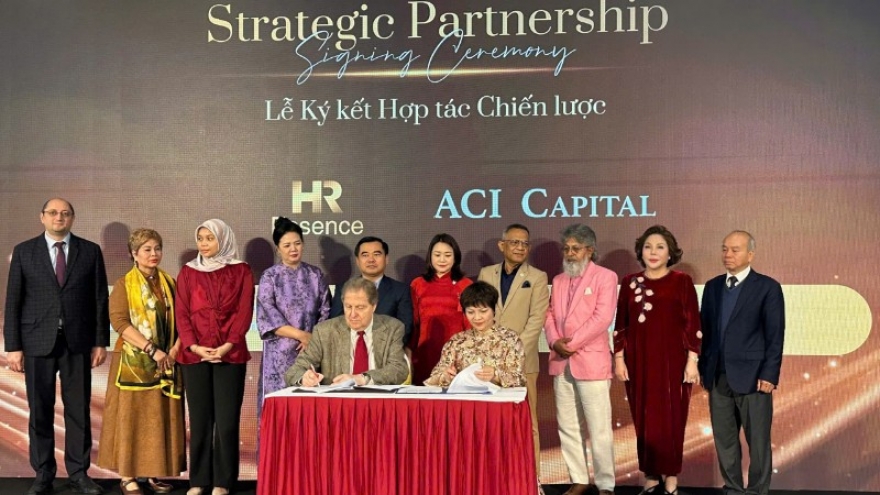
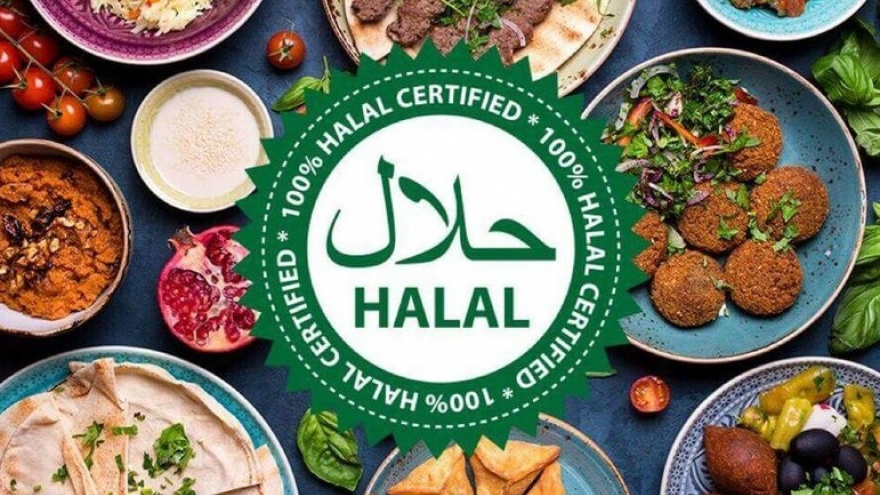
Halal strategy opens trillion-dollar opportunity for Vietnamese food exports

VOV.VN - Vietnamese food exporters are being urged to tap into the rapidly expanding global Halal market, seen as a trillion-dollar opportunity, particularly in the Gulf Cooperation Council (GCC) and Southeast Asia.
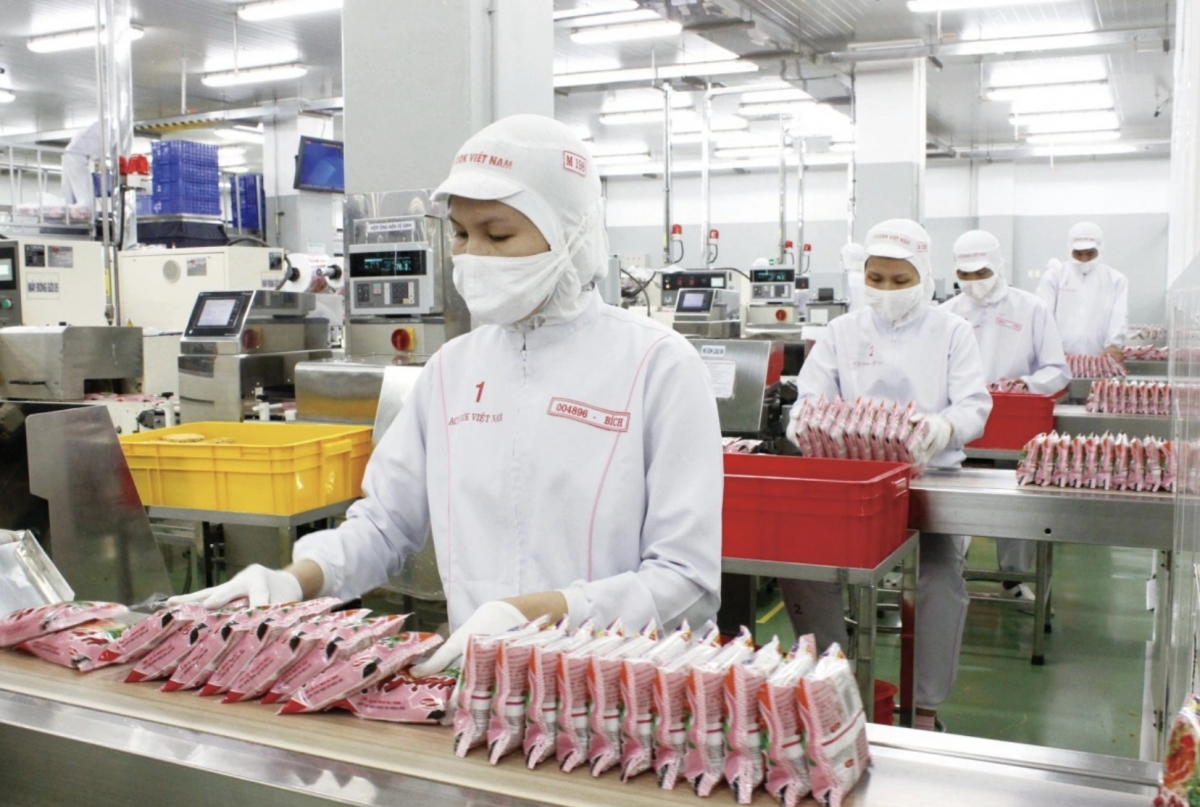
The global Halal market is projected to approach US$10 trillion, yet only about 0.2% of Vietnamese enterprises currently hold Halal certification. This gap represents not only a challenge but also a critical window for Vietnam to reposition its food export strategy.
In this context, a seminar titled “Halal Strategy: Connecting Vietnamese Food to GCC and Southeast Asian Markets” was held in Ho Chi Minh City on April 3. The event was co-organised by the Ho Chi Minh City Investment and Trade Promotion Centre (ITPC), the Ho Chi Minh City Food and Beverage Association, the Dubai Chamber of Commerce in Vietnam, and the Vietnam Halal Certification Office.
No longer a niche segment, the Halal industry has become an integral part of global trade. Its current value has already exceeded US$5 trillion and is expected to continue growing strongly in the coming years. However, despite Vietnam’s strengths in agriculture and processed food, local enterprises have yet to fully capitalise on this high-potential market.
ITPC Director Ho Thi Quyen said the biggest barrier lies not in demand but in business readiness. A lack of standardised processes, incomplete compliance with Halal requirements and the absence of structured market entry strategies are causing many firms to miss out on opportunities.
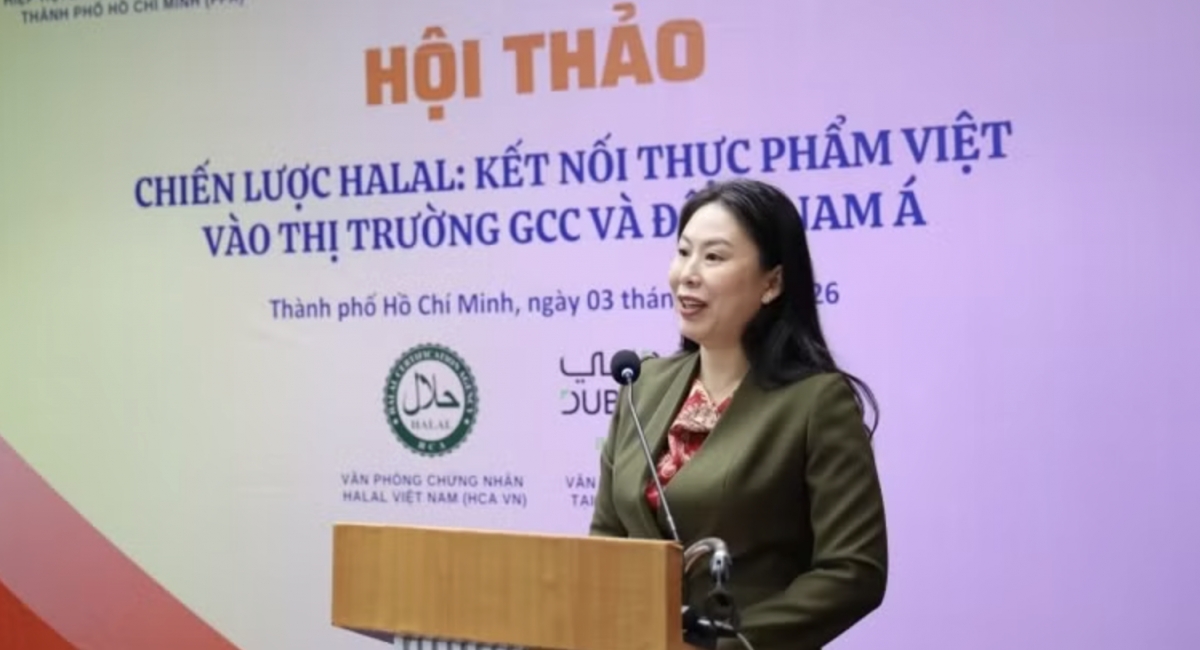
From an industry perspective, Ly Kim Chi, chairwoman of the Ho Chi Minh City Food and Beverage Association, noted that Halal market requirements go beyond product compliance, extending to transparency, traceability and sustainability across the entire supply chain. This requires businesses to undergo comprehensive transformation, from production to branding.
From an international market standpoint, Truong Xuan Trung, Vietnam’s Trade Counsellor in the United Arab Emirates (UAE), described the Middle East as a “strategic destination,” accounting for over 60% of the global Halal market with around 500 million Muslim consumers. The region also relies on imports for 85–90% of its food demand, presenting clear opportunities for exporting countries like Vietnam.
However, experts warned that opportunities will not automatically translate into orders unless businesses adapt quickly. They recommend treating Halal certification as a “mandatory passport,” investing in localised packaging (both in English and Arabic), and leveraging e-commerce, which accounts for more than 80% of Halal consumer transactions in the GCC.
Beyond the Halal story, a broader shift is required. Vietnamese enterprises need to move from exporting what they have to producing according to market standards. This, experts said, is not only key to entering the Halal market but also a long-term strategy to enhance competitiveness and integrate more deeply into global value chains.
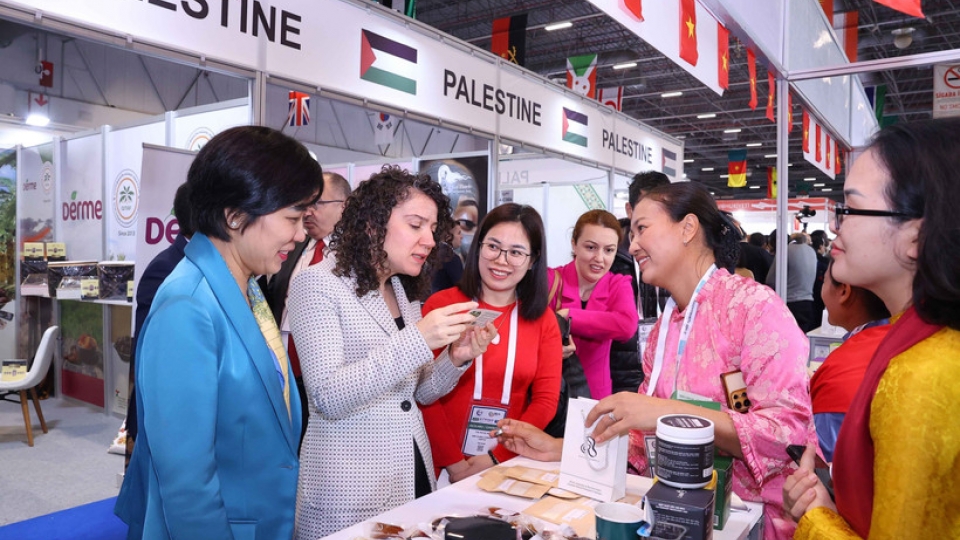
Vietnam seeks ways to expand exports to Halal market
To help businesses diversify export markets, Ho Chi Minh City has been actively promoting trade with the Halal market, which serves an estimated 2.2 billion Muslim consumers worldwide, particularly in the Middle East.