Government tightens price management to curb inflation risks

VOV.VN - No unjustified price increases should be allowed amid cost fluctuations, Deputy Prime Minister Nguyen Van Thang stressed at a government meeting on April 23, calling for stricter market discipline to help contain inflationary pressures.
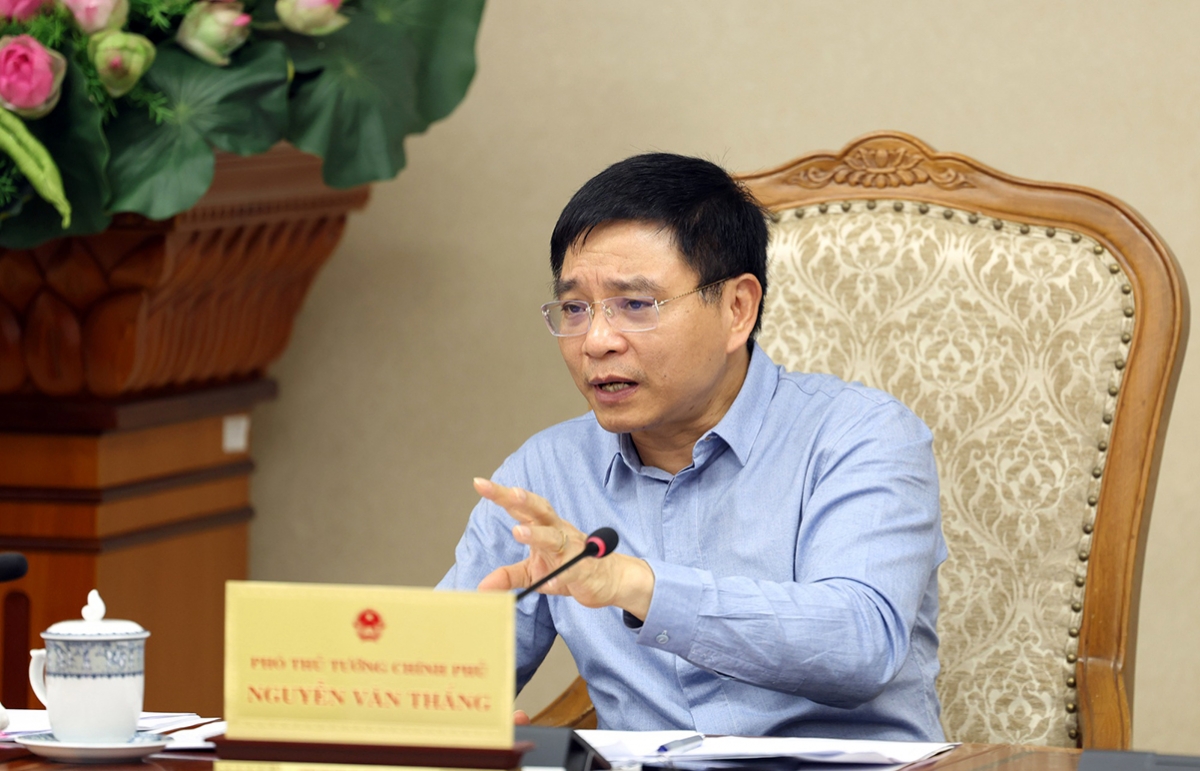
Chairing a meeting of the Price Management Steering Committee in Hanoi, Thang urged ministries, sectors and local authorities to tighten inspection and supervision of price declaration and listing practices, while taking firm action against hoarding, speculation and price manipulation.
The directive comes as global uncertainties, including geopolitical tensions and rising energy prices, continue to fuel risks of imported inflation. Against this backdrop, the government is seeking to maintain price stability and at the same time to support economic growth.
To that end, relevant agencies were instructed to adopt proactive and flexible price management, closely tracking market developments and key cost drivers such as fuel and construction materials, as well as domestic policy adjustments. Businesses were also required to promptly pass on cost reductions to consumers when input prices decline.
According to the Ministry of Finance, inflation remains under control, with the consumer price index (CPI) rising 3.51% year on year in the first quarter of 2026 and core inflation up 3.63%. However, pressure persists from global fuel prices and logistics costs, prompting authorities to prepare multiple inflation scenarios for the year.
In response to pressure from global fuel prices and rising logistics costs, the ministry has developed three inflation scenarios for 2026, projecting increases of around 4.5%, 5%, and 5.5%. The State Bank of Vietnam forecasts average inflation at about 5% (±0.5%), while international financiers estimate a lower range of 3.8% to 4.9%.
Ensuring stable supply of essential goods is a priority, said Deputy Prime Minister Thang, emphasizing the need to stabilise prices of key items such as fuel, electricity, food, and construction materials to prevent supply disruptions that could trigger sudden price spikes.
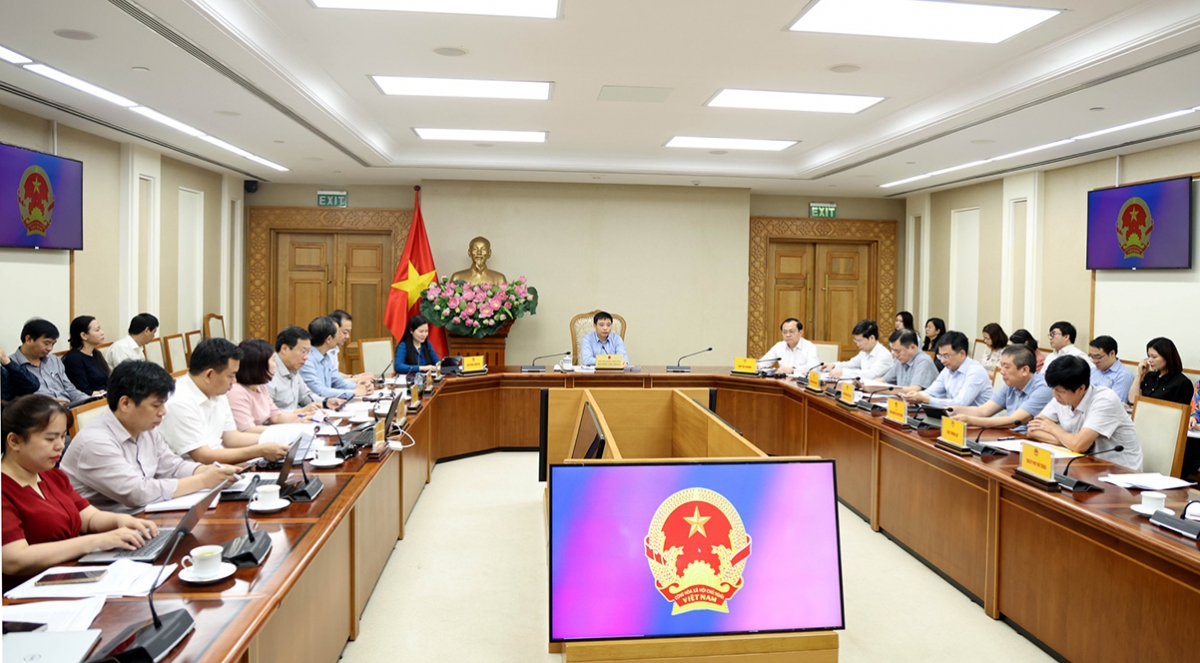
The Ministry of Industry and Trade was tasked with guaranteeing fuel supply under all circumstances and diversifying sources to mitigate external shocks, and the Ministry of Finance will continue leading the development of price management scenarios aligned with macroeconomic conditions.
Other ministries and localities were instructed to closely monitor supply-demand conditions and price movements in their respective sectors, review cost structures for state-priced goods and services, and ensure that any price adjustments follow an appropriate roadmap to avoid putting pressure on overall price levels.
Localities were also urged to strengthen market stabilisation programmes and communication efforts to ensure transparency and maintain public and business confidence.
With a focus on both regulatory enforcement and coordinated policy measures, the government aims to keep inflation within target while safeguarding market stability and public confidence.
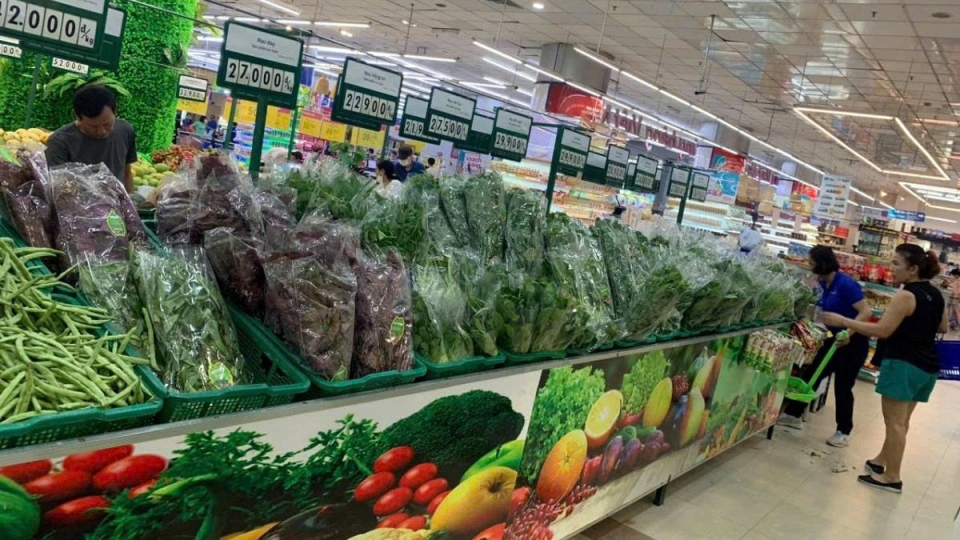
CPI up 3.51% in Q1, transport and housing drive price pressures
VOV.VN - Vietnam’s consumer price index (CPI) rose by 3.51% in the first quarter of 2026 compared to a year earlier, with transport and housing costs emerging as the main drivers of inflation, according to the National Statistics Office.