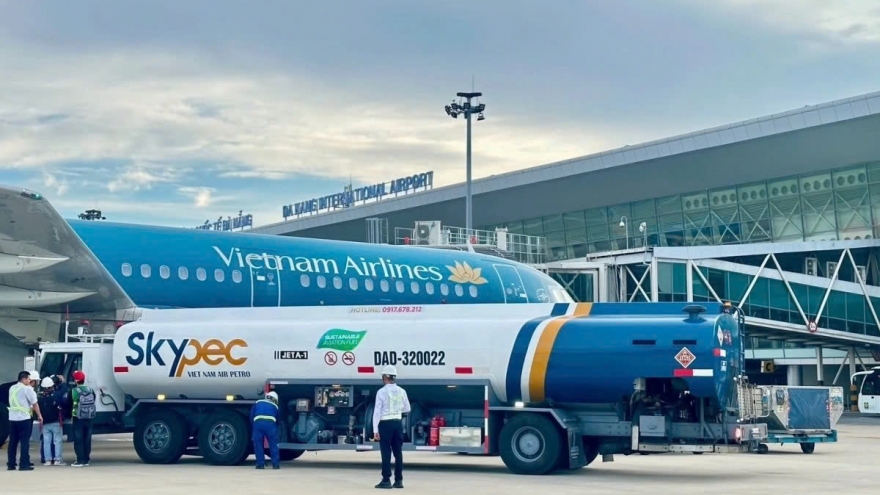
Vietnam aviation, tourism adapt to fuel price surge amid global uncertainties

VOV.VN - Vietnam’s aviation and tourism industries are seeking to respond to soaring fuel prices with cost controls, route optimisation, and flexible travel products to sustain growth.
Within just two weeks, many hotels have reported a surge in booking cancellations, while several domestic and international air routes have seen declining traffic. Vietnam’s aviation and tourism industries are facing mounting pressure as fuel prices spike amid global geopolitical volatility. However, businesses are actively adapting and seeking new growth pathways.
Fuel price surge: a challenge, but not entirely unexpected
According to domestic airlines, Jet A1 fuel prices have at times tripled, pushing annual operating costs up by tens of trillions of dong. For airlines, each flight has become not only an operational challenge but also a major cost calculation.

Dang Anh Tuan, deputy CEO of Vietnam Airlines, noted the average Jet A1 price in March was around US$194 per barrel, at times reaching US$242.7 - three times higher than our 2026 projections.
“For every US$1 increase, Vietnam Airlines incurs an additional cost of over VND300 billion annually. At current levels, extra costs could exceed VND30 trillion per year,” Tuan said.
Vietjet Air has planned to cut around 20% of its capacity while optimising routes and flight operations through technology to reduce fuel consumption. Another domestic airline Vietravel Airlines, having already weathered the COVID-19 pandemic, is adjusting flight frequencies to control costs, alongside increasing flights during peak periods such as the April 30 holiday.
“Costs have risen by about VND20 billion per aircraft per month. In the coming period, we will reduce inefficient flights but remain committed to adding services during peak travel demand,” Le Tien Dung, deputy CEO of Vietravel Airlines, said.
Airlines take proactive measures

Vietnamese carriers are implementing a range of adaptive strategies. National flag carrier Vietnam Airlines is closely monitoring fuel price fluctuations and adjusting its pricing strategy with flexible fare bands to balance cost pressures, while maintaining diverse options for passengers.
At the same time, airlines are working with regulators to restructure route networks, by prioritising key routes with strong demand and cutting frequencies on less efficient ones to optimise operations.
Authorities and industry stakeholders have also convened meetings to explore long-term solutions, including ensuring fuel supply and addressing operational bottlenecks. Flight schedules are being reorganised, with priority given to major routes linking Hanoi, Da Nang, and Ho Chi Minh City.
Tourism industry responds with flexibility
The tourism industry is also feeling the pinch, particularly from long-haul markets. Tran Nguyen, deputy CEO of Sun Group’s Hospitality and Entertainment division, said thousands of hotel bookings, especially from distant markets such as the Middle East, were canceled within two weeks of the fuel price surge.
“This was an unexpected shock, but we are working to optimise operations while maintaining service quality,” she said.
However, the impact of rising fuel costs is not limited to aviation. It is also affecting transportation and the broader tourism supply chain, making travelers more cautious in their spending.

According to Ha Van Sieu, deputy director of the Vietnam National Authority of Tourism, Vietnam’s tourism market still retains key advantages thanks to steady growth from Northeast Asia, ASEAN, India, and Australia.
“Although some markets such as the Middle East may decline, opportunities remain in safer and more stable markets like Northeast Asia, Russia, Central Asia, Australia, and India,” he said. “The industry will continue to maintain travelers’ confidence, ensure service quality, and develop new products aligned with Vietnam’s strengths.”
Tourism businesses and authorities are rolling out solutions to retain visitors and enhance experiences, including designing shorter, more flexible travel packages and improving service quality. Demand is increasingly shifting toward local experiences and creative tourism products, promoting safer and more adaptable travel choices.
While rising fuel prices pose a significant challenge, they also present an opportunity for restructuring, improving product quality, and optimising operations. With proactive efforts from businesses and flexible policy responses from regulators, Vietnam’s aviation and tourism industries are navigating current difficulties and at the same time maintaining momentum for sustainable growth.
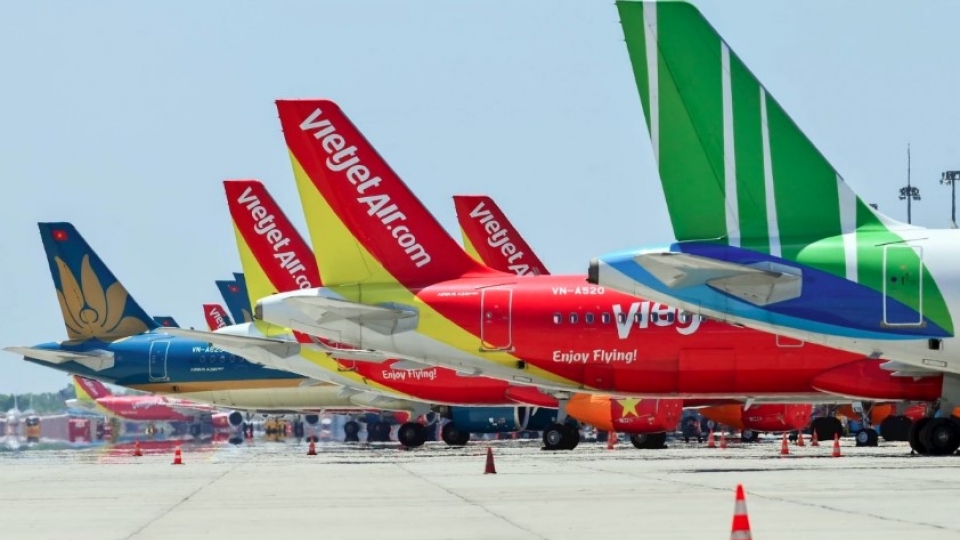
Vietnamese airlines weigh fuel surcharges on international routes
VOV.VN - Vietnamese airlines are considering fuel surcharges on international routes from early April 2026 as jet fuel prices rise sharply amid the Middle East conflict.