March PMI eases to 51.2 as selling prices rise at fastest pace in nearly 15 years

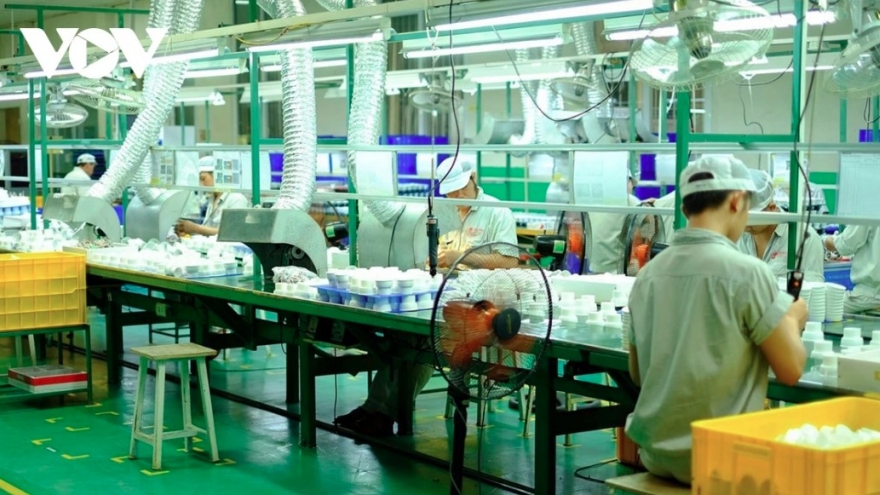
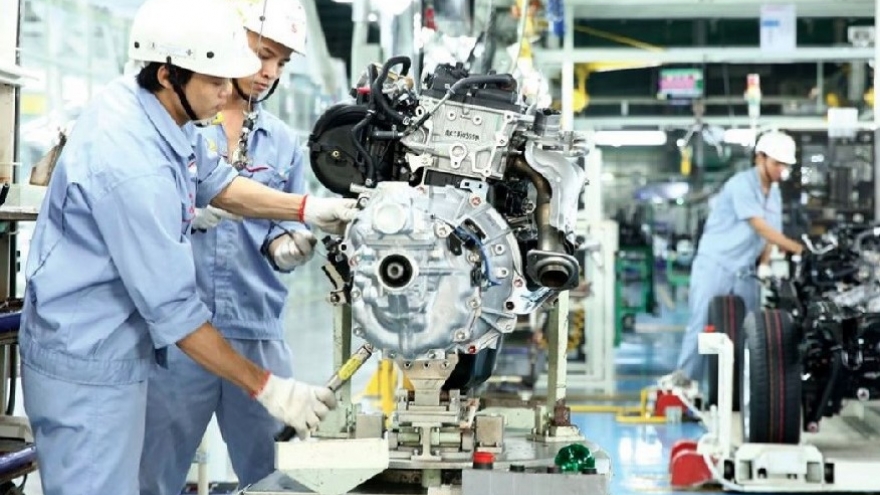
VOV.VN - Vietnam’s Manufacturing Purchasing Managers’ Index (PMI) was recorded at 51.2 in March, as the Middle East conflict drove a marked rise in input costs, according to S&P Global.
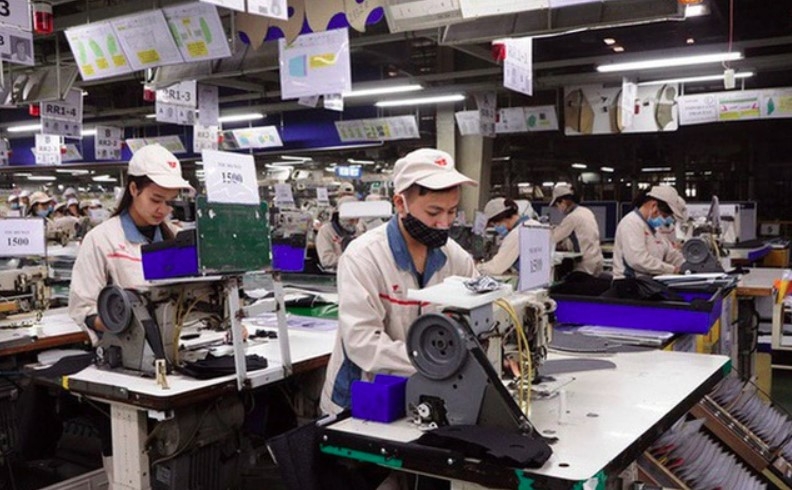
The report said the war in the Middle East led to a marked acceleration in input cost inflation in Vietnam’s manufacturing sector during March, with selling prices subsequently rising at the fastest pace in nearly 15 years.
The PMI remained above the 50.0 no-change threshold in March, extending the current sequence of improving business conditions to nine months. However, the index fell to 51.2 from 54.3 in February, signalling the weakest improvement in operating conditions since last September.
A key point in the March PMI survey was the impact of the war in the Middle East on inflation. Higher oil prices pushed up costs for freight, fuel and transportation.
As a result, close to half of respondents recorded an increase in input costs during March, with the pace of inflation the sharpest since April 2022.
With higher input costs often passed on to customers, output prices rose at one of the sharpest rates since the survey began in 2011. The pace of increase in March was the steepest in just under 15 years.
Rising prices in the sector limited demand. Total new orders continued to increase as some firms reported that clients brought forward purchases to get ahead of price rises. The rate of growth was modest, however, and the weakest since last September.
Meanwhile, international demand weakened, with new export orders decreasing markedly following stable new business from abroad in February.
In line with the trend in total new business, manufacturing production increased at a much slower pace in March. The latest rise in output was the eleventh in as many months, but the least pronounced since June 2025.
Slower growth in new orders and higher input costs led manufacturers to be reluctant to commit to additional purchases in March. Input buying decreased markedly, ending an eight-month sequence of expansion. Stocks of purchases also declined.
Where firms did buy inputs, they faced a substantial lengthening of suppliers' delivery times, the most pronounced in four years. Respondents indicated that higher fuel costs led to transportation delays.
Business confidence fell to a six-month low in March amid concerns about the impact of the war in the Middle East on international demand, prices and the supply of materials. Nevertheless, expectations of solid underlying demand supporting new orders and output meant that firms on balance continued to predict an increase in production over the coming year.
Andrew Harker, Economics Director at S&P Global Market Intelligence, said: “The March edition of the S&P Global Vietnam Manufacturing PMI highlights the initial impacts of the war in the Middle East on firms in the sector.
“Given the country’s reliance on oil imported from the affected region, the impact on prices and supply chains would have been expected to some extent. The rate at which input cost inflation accelerated, and the subsequent increase in selling prices, which was the fastest in nearly 15 years, show the immediate and marked effects that firms are experiencing.
“Output and new orders remained in expansion territory in March, but rates of increase were well down on February and at least some of the growth seen was due to customers placing advanced orders to get ahead of price rises. The near-term outlook therefore appears bleak, unless a speedy resolution to the war and the disruption through the Strait of Hormuz can be achieved.”
Vietnam PMI stays above 50 in January as business confidence hits 22-month high
VOV.VN - Despite a slight decline from December, Vietnam’s Manufacturing PMI stood at 52.5 in January, still pointing to improving business conditions, as output, new orders and employment rose and business confidence climbed to a 22-month high, according to S&P Global.