Global trade shifts call for new import-export strategy

VOV.VN - Rapid changes in global trade patterns are prompting calls for Vietnam to redesign its import-export strategy, shifting the focus from scale-driven growth to a more comprehensive approach that prioritises quality, value addition and economic resilience.
Under a Government Resolution dated January 8, 2026, Vietnam has set a target of increasing total export turnover by around 15–16% in 2026 compared with 2025. To meet that goal, exports are expected to reach approximately US$546–550 billion this year, requiring average monthly shipments of US$45–46 billion.
The target is seen as ambitious, given both external uncertainties and long-standing structural constraints within the export sector.
Need to clarify strategic direction
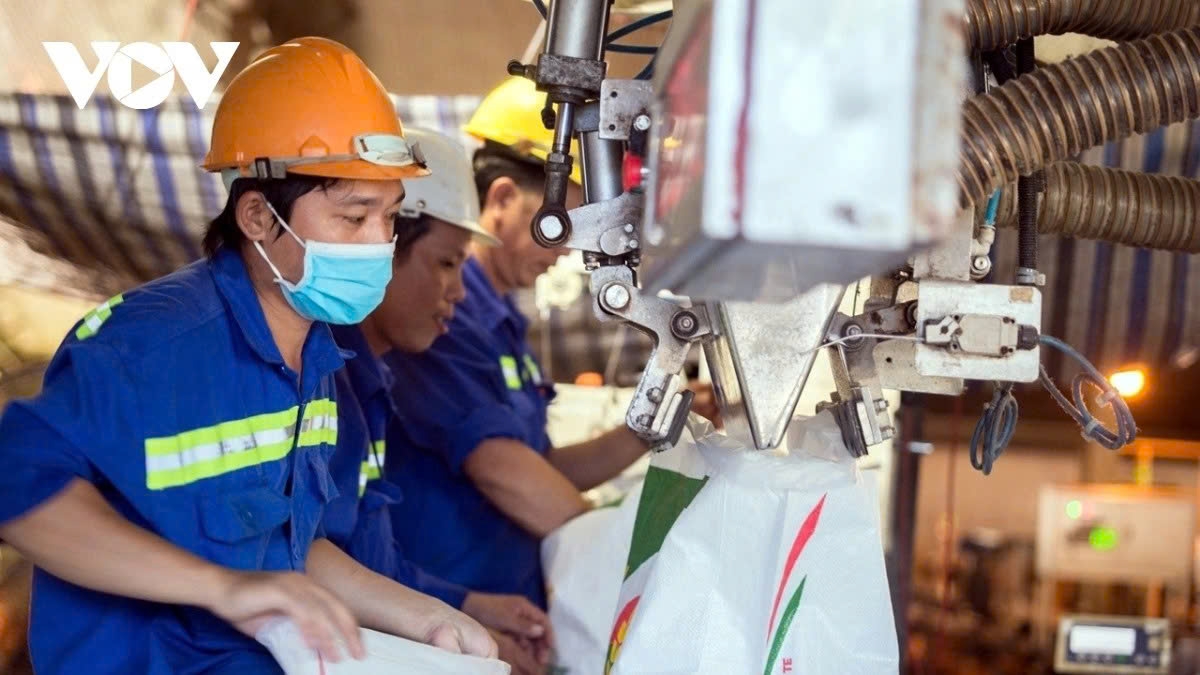
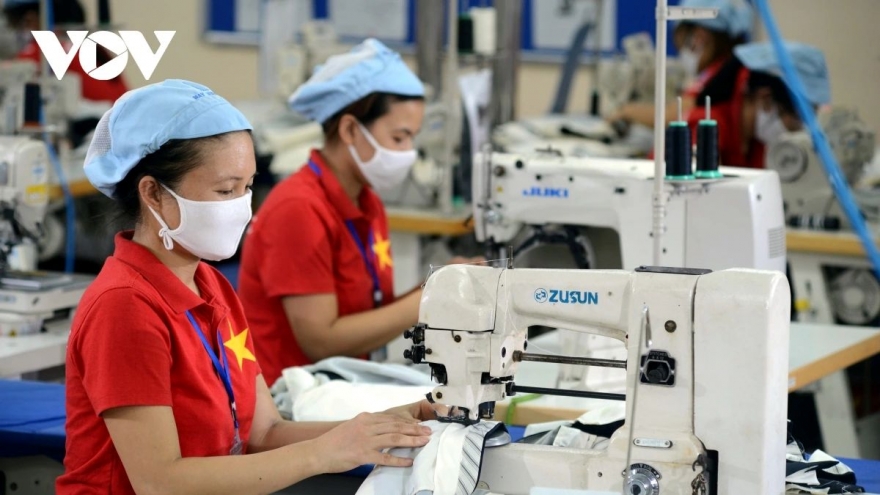
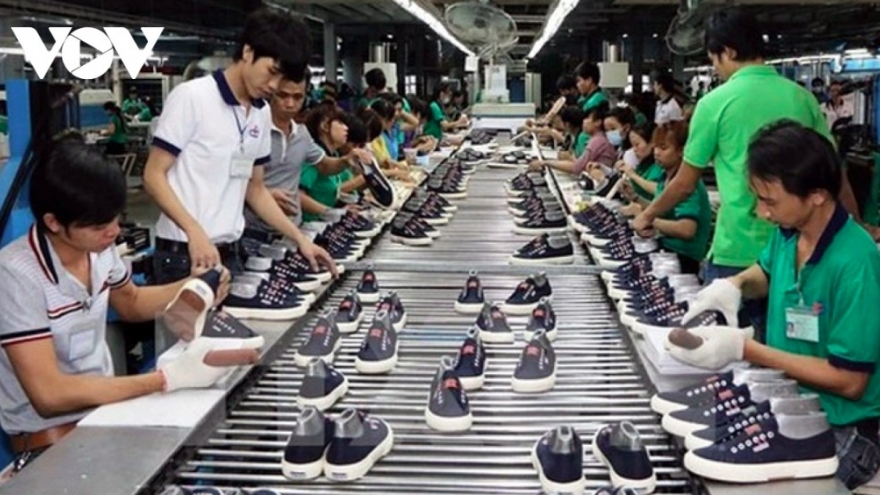
Despite maintaining strong export momentum in recent years, Vietnam continues to face internal challenges, including heavy reliance on foreign-invested enterprises, high dependence on imported inputs in many industries, and limited branding capacity among small and medium-sized enterprises. The ability of domestic firms to meet increasingly stringent technical, environmental and sustainability standards in key markets is also uneven.
These factors suggest that the import-export strategy should move beyond expanding volumes or boosting headline figures, towards a more holistic framework that strengthens value chains and enhances the economy’s degree of self-reliance.
According to Nguyen Anh Son, director of the Import-Export Department under the Ministry of Industry and Trade, trade must remain a key growth engine but should transition from extensive growth to deeper, more efficient and sustainable development.
“The focus should be on raising value-added content, technological intensity and domestic participation, while making better use of free trade agreements,” Son says, adding that policy reforms are needed to address bottlenecks in logistics, institutions and enterprise competitiveness.
Towards a comprehensive redesign
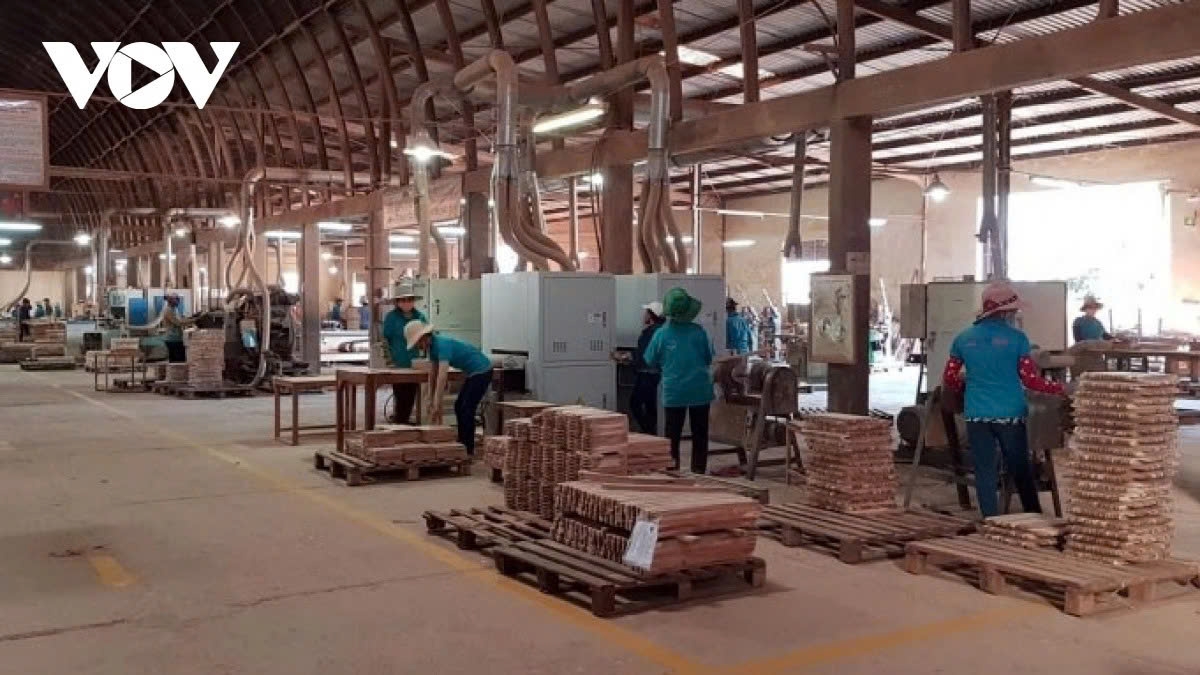
Policy experts argue that maintaining export growth alone is no longer sufficient, as Vietnam enters a new development phase shaped by supply chain restructuring, trade fragmentation and rising protectionist pressures.
Phan Duc Hieu, a standing member of the National Assembly’s Economic Committee, suggests Vietnam should review and update its import-export strategy to better reflect global trade realities, supply chain dynamics and domestic development priorities.
He notes that a new strategy should cover both goods and services, and adopt a broader, more flexible approach rather than focusing narrowly on traditional export pillars.
“There remains significant untapped potential, including in products that have not previously been clearly positioned in national export strategies,” Hieu points out.
He also says while Vietnam has signed multiple free trade agreements, their benefits are still concentrated among a relatively small group of large enterprises. More adaptive policy tools are needed to help small and medium-sized firms integrate more deeply into export supply chains, thereby broadening the distribution of gains from trade liberalisation.
Raising value through branding
Another key pillar of the next-generation import-export strategy is improving value retention through brand development. While export volume growth is important, experts say it must be accompanied by stronger product identity, traceability and market recognition.
“Brand building is essential to improving value-added and ensuring that more benefits remain in the domestic economy,” Hieu says, noting that this is particularly critical for agricultural products, where Vietnam has strong production capacity but limited international brand recognition.
Looking ahead, experts agree that import-export development in the 2026–2030 period should be guided by a long-term vision that balances expansion with quality, deepens integration while strengthening internal capacity, and aligns trade growth with sustainable and inclusive development goals.
Exports jump nearly 30% in January, but trade posts US$1.78 bln deficit
VOV.VN - Vietnam’s exports surged nearly 30% in January from a year earlier, driven by strong shipments from the foreign-invested sector, but a sharper rise in imports pushed the country into a trade deficit, government data showed on February 6.