

Deputy PM urges stronger inflation forecasting to keep prices under control

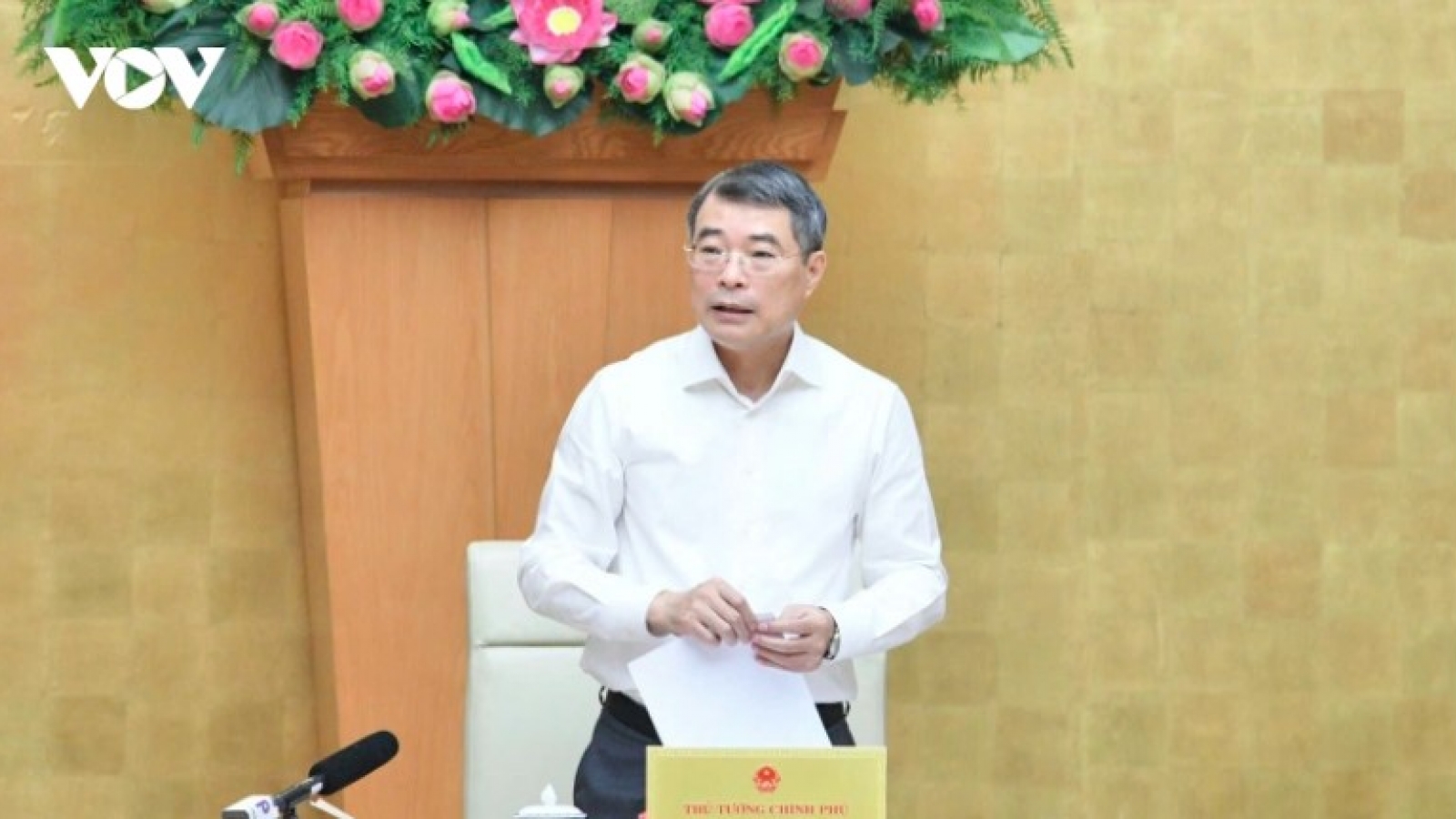
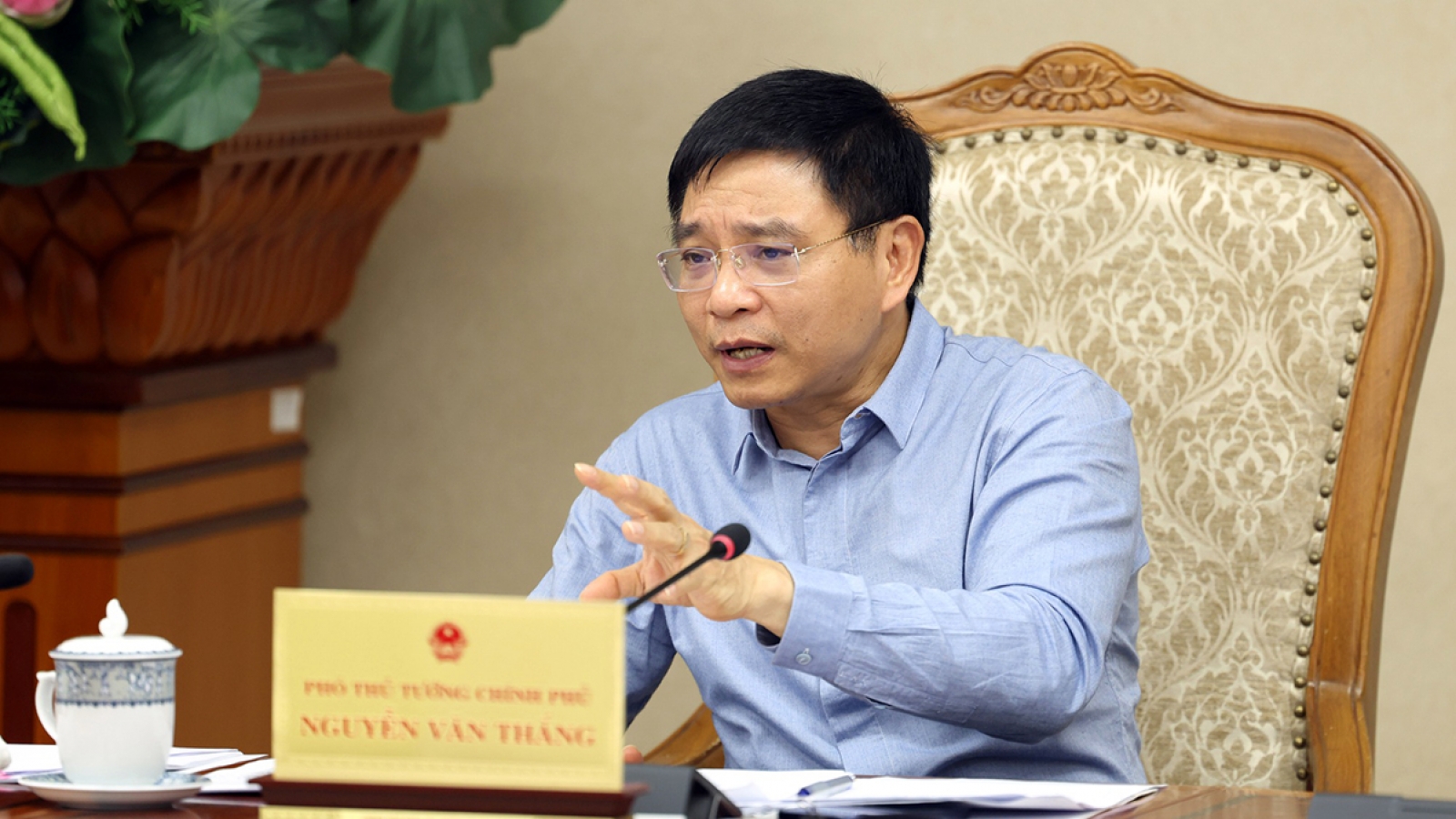
VOV.VN - Deputy Prime Minister Nguyen Van Thang has called for stronger inflation forecasting and more proactive price management to keep inflation under control as global economic uncertainties continue to pose risks to domestic prices in the second half of 2026.

Thang made the request at a meeting of the National Price Management Steering Committee in Hanoi on June 26 to review price management in the second quarter and the first six months of 2026, and to set priorities for the remainder of the year.
According to a report presented at the meeting, core inflation remained within the government’s target during the first half of the year, although upward pressure persisted on several essential goods.
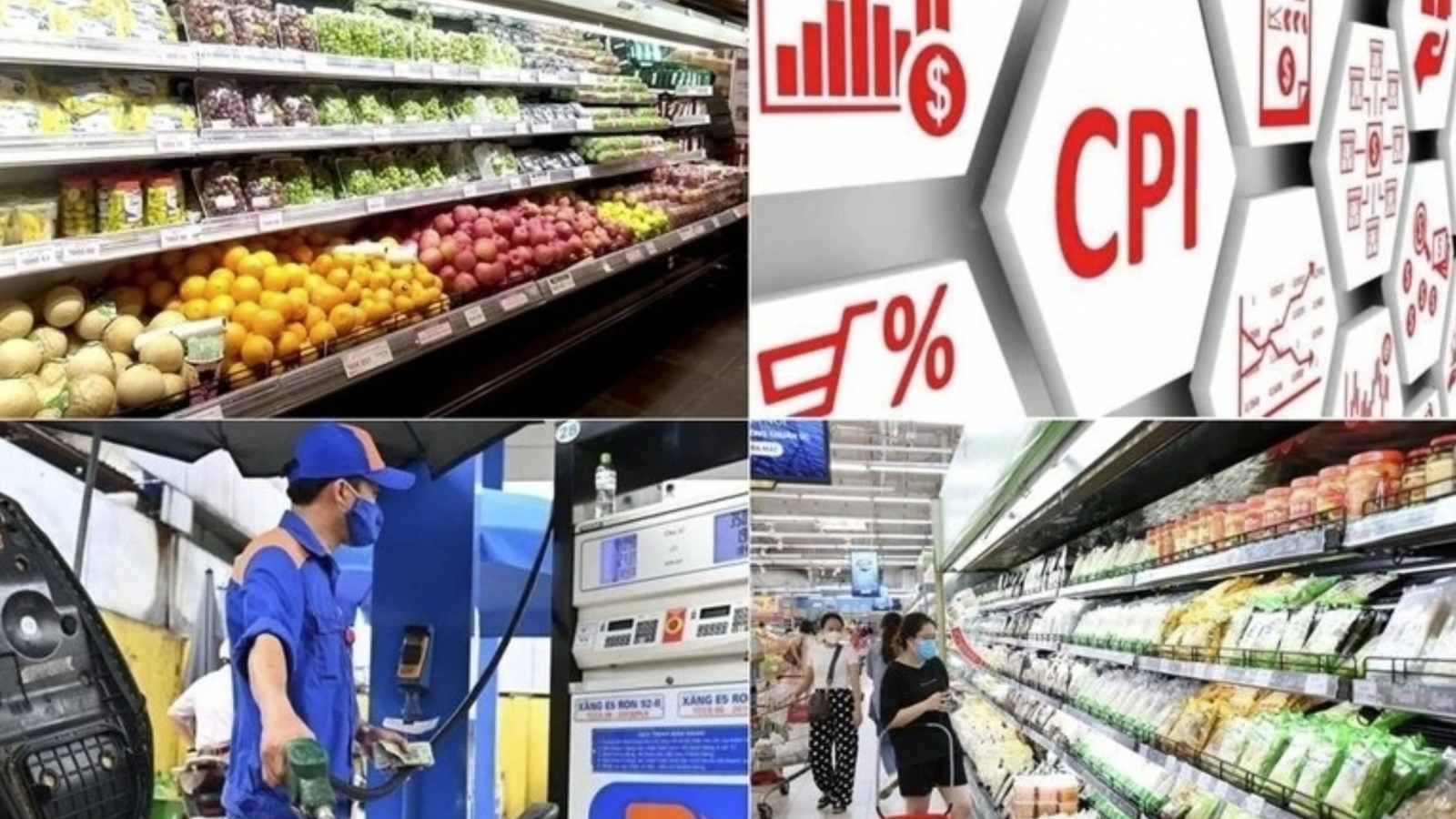
Vietnam’s consumer price index (CPI) rose during the early months of 2026 due to higher energy prices, construction material costs and seasonal factors before easing toward the end of the second quarter as food supplies improved.
Authorities forecast inflation for the full year to range between 4.5% and 5.5%, depending on domestic and global economic developments.
Preparing for global risks
Deputy Prime Minister Nguyen Van Thang said the global economic outlook is highly uncertain, while domestic demand for electricity, fuel, construction materials and industrial inputs is expected to increase alongside stronger public investment and economic growth.
He stressed that price management must become more proactive, flexible and forward-looking to maintain macroeconomic stability.
He instructed ministries and localities to strengthen forecasting capacity and closely monitor global economic conditions, including monetary policy decisions by major central banks, international energy and food prices, exchange rate movements, trade policies, geopolitical tensions and potential supply chain disruptions.
These assessments, he said, should form the basis for timely price management scenarios capable of responding to changing market conditions.
Coordinated policy measures
The Ministry of Finance was tasked with monitoring CPI developments, updating quarterly and annual inflation scenarios, and advising the government on policy responses. It will also continue implementing tax and fee relief measures to help reduce business costs and support households.
The State Bank of Vietnam was instructed to maintain a flexible monetary policy while coordinating closely with fiscal policy to balance inflation control with economic growth.
Meanwhile, the Ministry of Industry and Trade will continue monitoring global fuel and energy prices to ensure stable domestic supply and pricing.
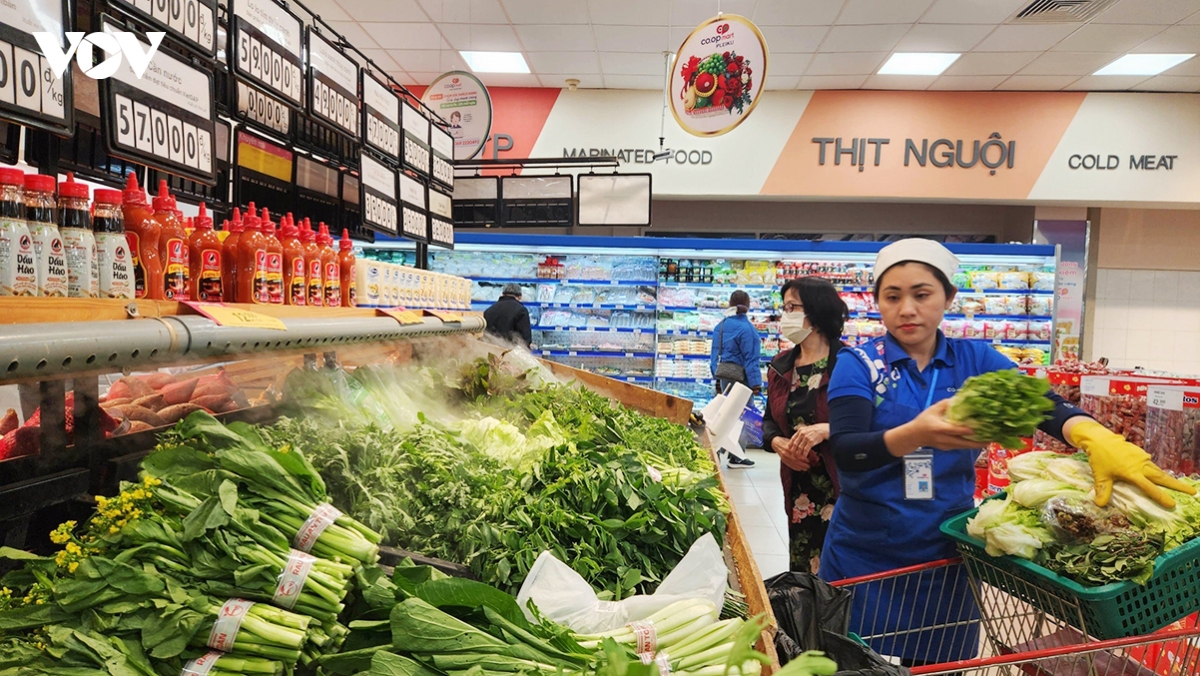
Other ministries were assigned to closely track developments in food supplies, construction materials, healthcare services and tourism prices. Local administrations were instructed to strengthen market stabilisation programmes, prevent hoarding and price manipulation, and ensure adequate supplies of essential goods during the upcoming storm and flood season.
Stronger coordination among ministries and localities will be essential to maintaining price stability and supporting Vietnam’s macroeconomic resilience amid continued global uncertainty, the Deputy PM stressed.
Controlled inflation supports Vietnam’s double-digit growth goal
VOV.VN - Vietnam has kept inflation below 4% since 2015, and maintaining macroeconomic stability while effective inflation control in 2026 will be crucial to supporting the country’s goal of achieving double-digit GDP growth.