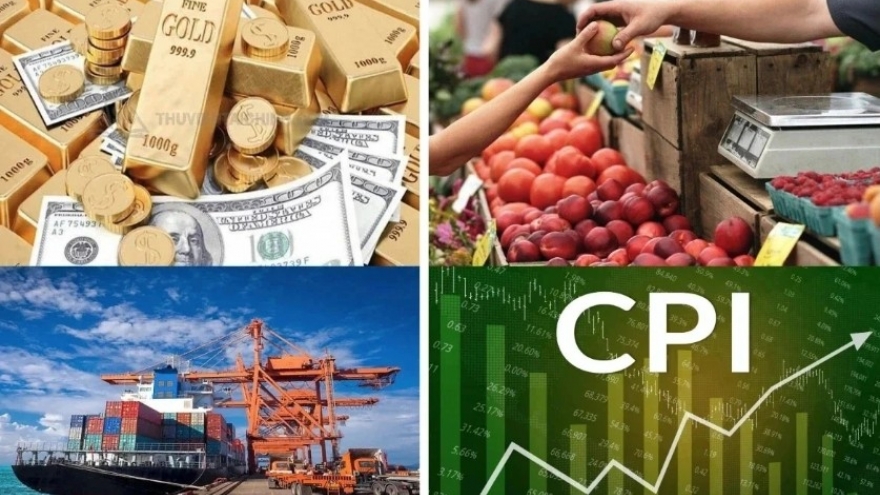
Inflation control in 2026 faces challenges from energy prices and input costs

VOV.VN - Energy prices have fluctuated sharply, while rising input costs are putting pressure on the price level in 2026.

Although CPI rose 3.51% in the first quarter and remains under control, projections show full-year inflation could reach 5.5%, requiring flexible and closely coordinated policy management to maintain macroeconomic stability.
Global growth slowed in the first quarter of 2026, with risks rising amid geopolitical, energy and financial volatility. Tensions in the Middle East involving the United States, Israel and Iran disrupted shipping, caused oil price shocks and pushed logistics costs sharply higher.
Domestically, prices were influenced by both seasonal factors and global developments. Demand rose during the Lunar New Year, lifting prices of goods and services early in the year, while supply remained stable. From March 2026, price pressure became more evident as fuel prices increased, pushing up production, transport and input costs.
CPI rose 0.05% in January, 1.14% in February and 1.23% in March. Average CPI in the first quarter increased 3.51%, while core inflation rose 3.63%. The government managed prices flexibly, particularly for fuel, by tracking global prices, using the price stabilization fund and tax measures, while strengthening inspections to prevent speculation and hoarding.
In the coming period, prices will continue to face pressure from imported raw materials, transport costs, construction materials and food. Healthcare service prices are expected to rise by about 8.9%, adding around 0.28 percentage points to CPI. Tuition fees for the 2026-2027 academic year are also set to increase, with caps for public universities rising by an average of 12.7% and vocational education by about 18%. Exchange rates, natural disasters, climate change and base salary adjustments will add further pressure.
Measures to stabilize fuel prices, reduce taxes and fees, and provide budget support will continue. Policies such as waiving public school tuition, reducing textbook prices and cutting maritime service fees will help reduce living costs. Stable food supply and a recovery in agricultural production are also helping stabilize the market and inflation expectations.
The Ministry of Finance has developed three inflation scenarios for 2026 at 4.5%, 5% and 5.5%. The State Bank of Vietnam forecasts inflation at around 5±0.5%, while international organizations estimate it at 3.8-4.9%.
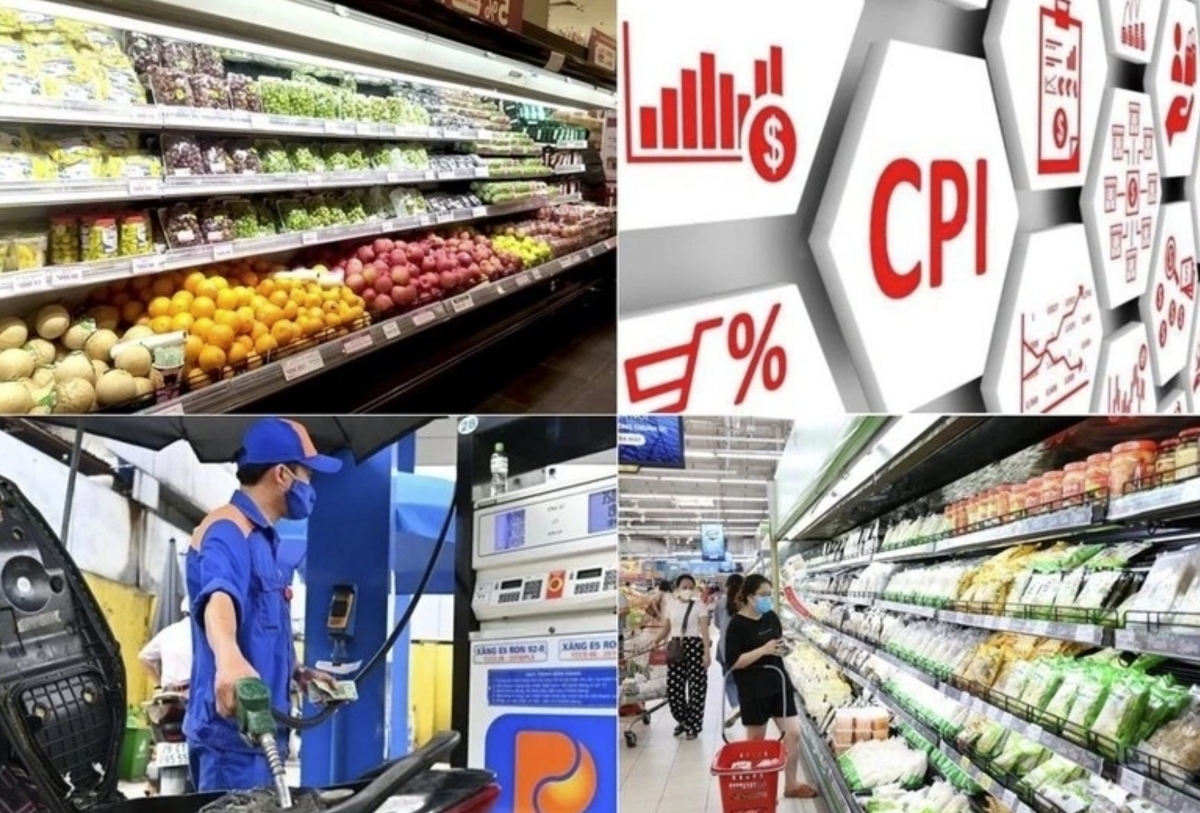
Flexible management to strengthen economic resilience
To keep inflation under control amid rising energy prices and strong growth targets, the Ministry of Finance has proposed a set of coordinated measures. Ministries, sectors and localities need to closely monitor supply, demand and prices of essential goods, especially in fuel-sensitive sectors such as transport, logistics, construction materials and food.
They also need to ensure supply-demand balance for strategic goods such as fuel, electricity and key inputs, while improving weather forecasting and preparedness for climate-related risks to reduce supply disruptions. Localities are asked to implement market stabilization programmes in line with local conditions and step up inspections to strictly handle speculation, hoarding and price violations.
Monetary policy will be managed flexibly in close coordination with fiscal policy to meet inflation targets. Greater transparency in price information is also seen as key to stabilizing market expectations.
Economist Can Van Luc said macroeconomic management needs to stay calm and proactive, and avoid overreacting to short-term shocks. The immediate priority is not to let fuel price shocks and supply chain disruptions turn into broader energy supply shocks and inflation.
This includes strengthening rapid response mechanisms in the energy sector, developing contingency plans to secure fuel supply and diversifying import sources. Market supervision should also be tightened to prevent speculation and hoarding, and a nationwide energy-saving campaign could be considered to reduce demand pressure. Flexible adjustments to fuel taxes and fees, alongside use of the price stabilization fund, should also be considered to limit spillover effects.
Over the medium and long term, the focus is on strengthening national energy security. This includes diversifying supply sources, increasing strategic reserves and accelerating implementation of the revised Power Development Plan VIII. Legal frameworks also need improvement to enhance energy self-reliance.
Further development of financial markets, including securities and commodity trading, would help provide tools to hedge against energy price risks.
Investment in infrastructure and human capital will also help Vietnam better benefit from supply chain shifts and new investment flows as the global economy undergoes restructuring.
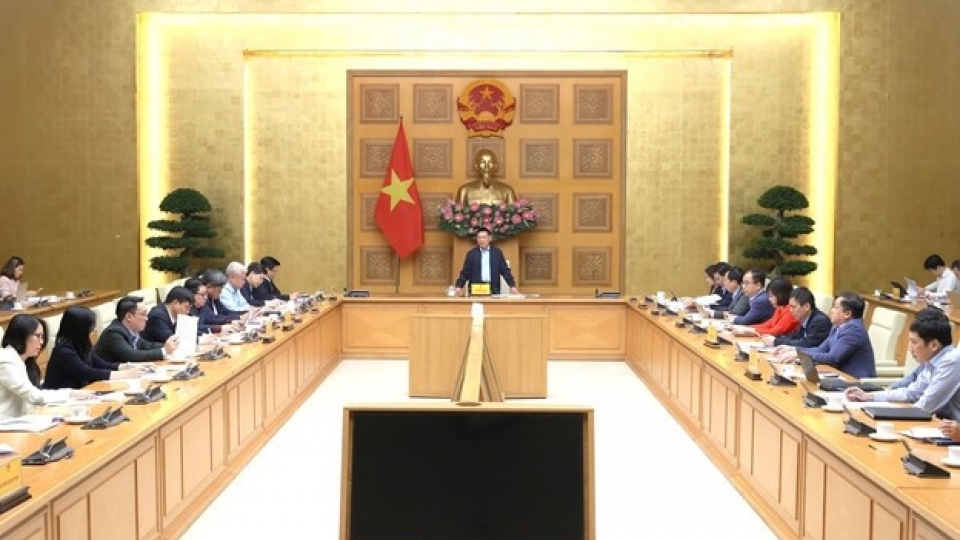
Vietnam targets 3.3% inflation in 2025 as Government tightens price controls
Vietnam aims to hold average inflation to around 3.3% in 2025, Deputy Prime Minister Ho Duc Phoc said at a Government meeting on price management on November 21, citing the need for tighter coordination between fiscal and monetary policies amidst global economic uncertainty.