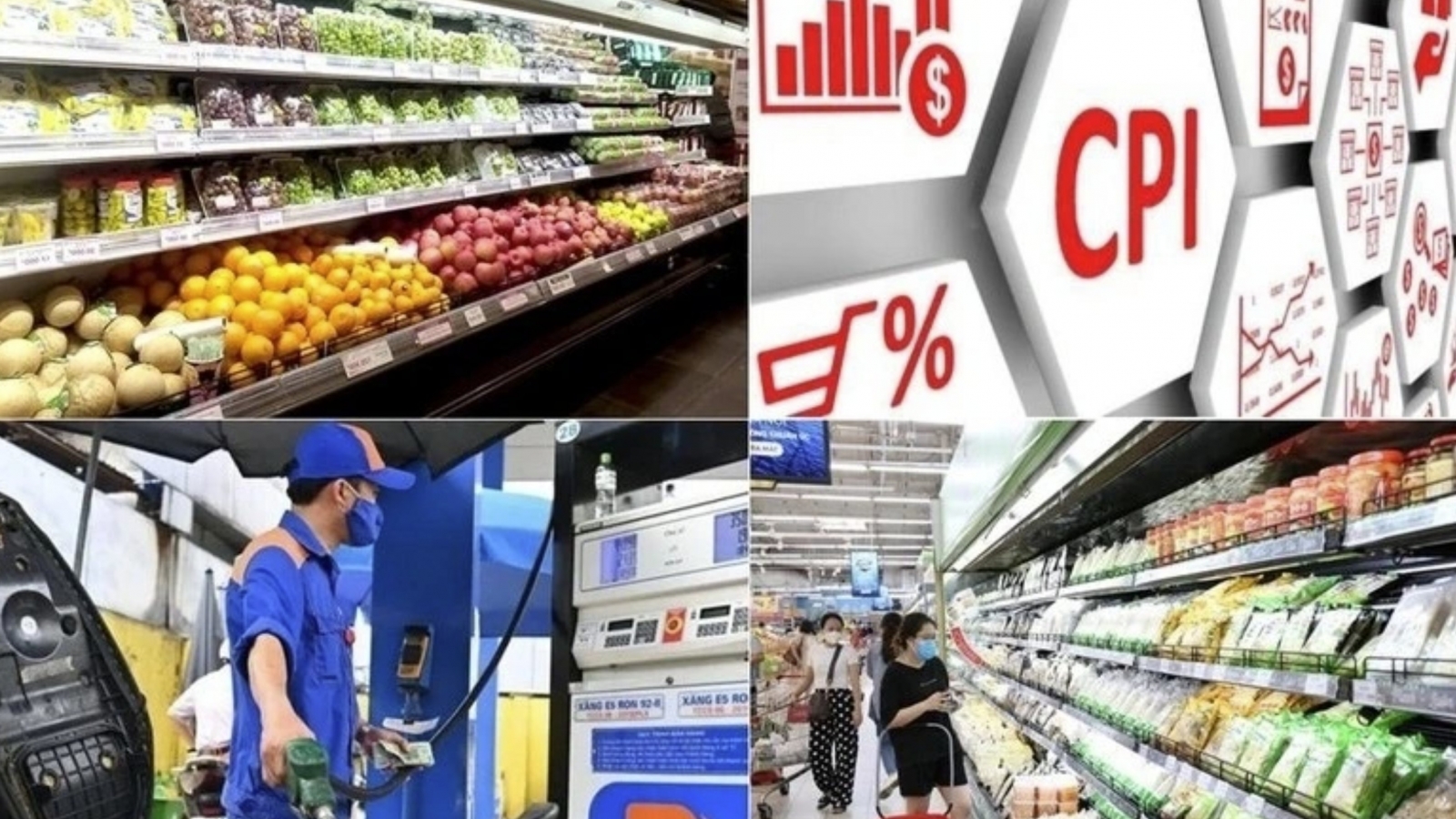
Controlled inflation supports Vietnam’s double-digit growth goal

VOV.VN - Vietnam has kept inflation below 4% since 2015, and maintaining macroeconomic stability while effective inflation control in 2026 will be crucial to supporting the country’s goal of achieving double-digit GDP growth.
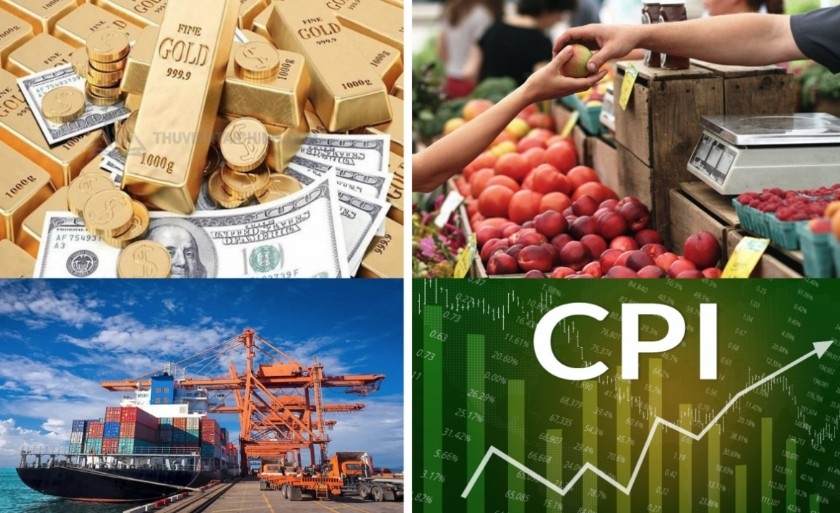
Under Resolution No. 244/2025 on the 2026 socio-economic development plan, the National Assembly set a target of GDP growth of at least 10% while keeping average inflation at around 4.5%. The resolution emphasizes the need for close coordination between fiscal policy, monetary policy and other macroeconomic policies to achieve those goals.
Balancing high economic growth with inflation control continued to be a major challenge amid global economic uncertainties and mounting pressure on inflation management, economists said. Forecasts suggest inflationary pressure in 2026 could be higher than in 2025, although major shocks are unlikely.
Monthly consumer price index (CPI) growth is projected at around 0.3%, while average inflation for the year is estimated at about 3.5%, with a margin of plus or minus 0.5 percentage points.
According to Deputy Governor of the State Bank of Vietnam Pham Thanh Ha, the central bank remained committed to maintaining macroeconomic stability and controlling inflation despite global economic fluctuations.
He noted that Vietnam’s macroeconomic conditions were stable, with CPI rising 3.51% and core inflation up 3.63% in the first quarter. The State Bank of Vietnam had conducted monetary policy in a flexible manner in line with government resolutions and the Prime Minister’s directions, while coordinating with other macroeconomic policies to support growth and safeguard the banking system, Ha went on.
Inflationary pressure in 2026 is likely to stem mainly from the delayed impact of 2025 credit growth, expanded investment and consumption aimed at supporting higher growth targets, and exchange rate fluctuations that could increase import costs for production inputs.
At the same time, several factors could help reduce inflationary pressure, including forecasts that global commodity prices are unlikely to rise sharply amid sluggish global growth, along with abundant domestic supply.
Economist Nguyen Minh Phong pointed out that maintaining high growth while keeping inflation within the target range will require coordinated policy measures and careful management of credit and investment flows to avoid fueling inflationary pressure.
Economists said close coordination between monetary and fiscal policy would be key to maintaining macroeconomic stability.
The State Bank of Vietnam has flexibly managed exchange and interest rates to stabilize the foreign exchange market, absorb external shocks and provide sufficient capital for production and business activities. At the same time, the Ministry of Finance has rolled out targeted tax and fee reduction measures to help lower input costs for businesses and ease cost-push inflation pressure.
Professor Nguyen Trong Hoai, Former Vice Rector of the Ho Chi Minh City University of Economics, said fiscal and monetary policies needed to be carefully coordinated to strike an appropriate balance. Credit support packages should avoid risky sectors such as real estate and instead prioritize exports, green projects and technology sectors to strengthen international competitiveness.
Economic experts elaborated that Vietnam’s price management efforts in 2026 will need to pursue the dual goals of controlling inflation while supporting business activity and sustaining economic recovery. Over the longer term, they said sustainable inflation control will depend on improving productivity, developing supporting industries and reducing reliance on imported inputs.
Only by resolving the structural causes of inflation can the economy maintain macroeconomic stability in a sustainable manner.
Inflation control in 2026 faces challenges from energy prices and input costs
VOV.VN - Energy prices have fluctuated sharply, while rising input costs are putting pressure on the price level in 2026.