Efforts underway to preserve Mong panpipe tradition

VOV.VN - Efforts are underway in the highland commune of Mu Cang Chai (Lao Cai province) to safeguard the traditional Mong panpipe, an art form recognised as a national intangible cultural heritage of Vietnam.
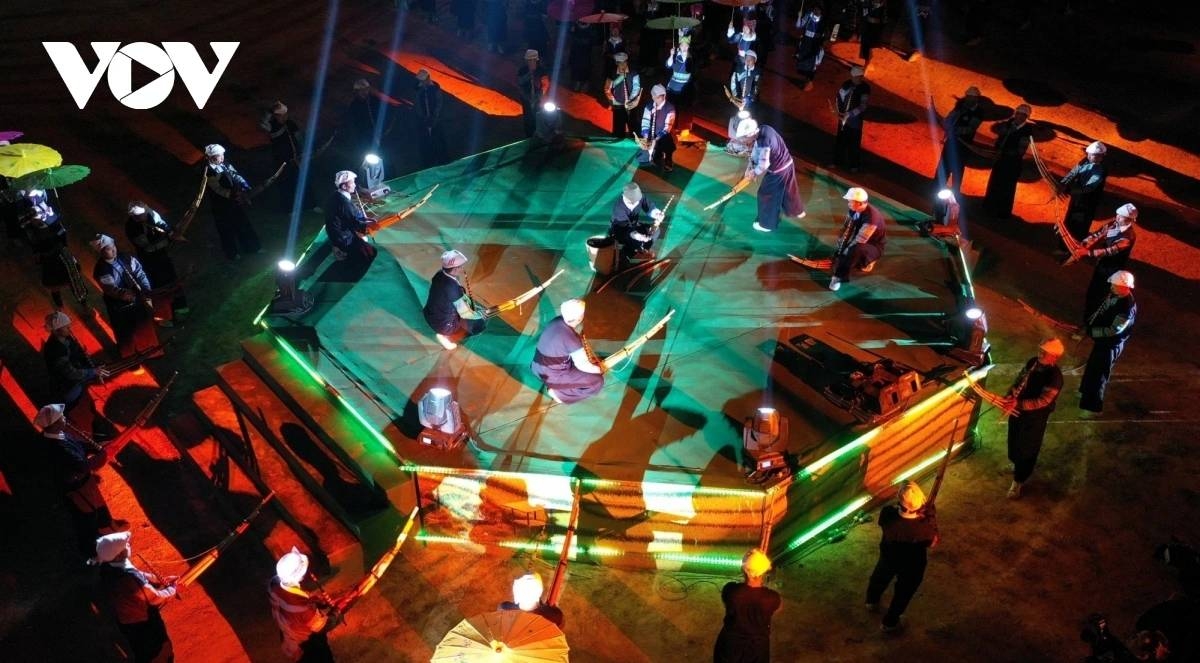
The Mong panpipe is both a wind instrument and a dance prop, performed through coordinated breathing and movement. Musicians rarely stand still while playing, combining melodies with spins, jumps, footwork and flowing gestures that vary depending on the setting and the performer’s emotions.
For the Mong ethnic group, the panpipe is closely linked to all stages of life. Its sound features prominently in family and community rituals, expressing love for the homeland, nature and gratitude to ancestors and spiritual forces.
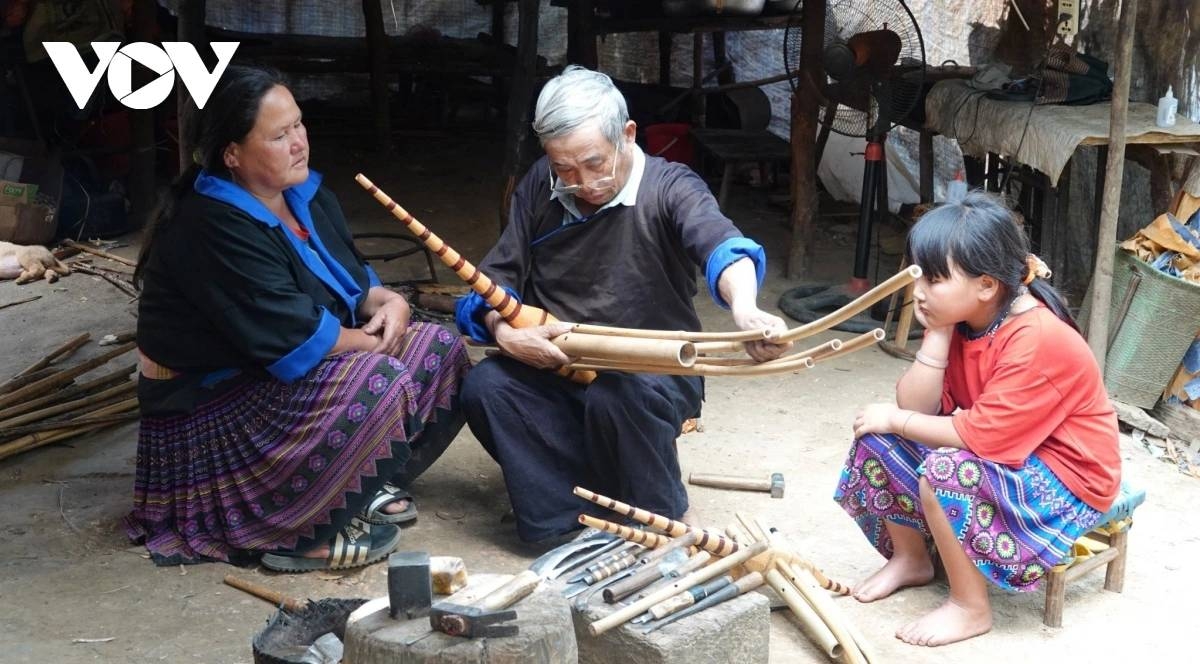
One of the key figures in preserving the craft is Meritorious Artisan Thao Cang Sua, 65, one of only 18 people in Mu Cang Chai still able to make traditional Mong panpipes. Despite limited fluency in Vietnamese, Sua has performed widely across the northwest region, winning multiple top prizes at cultural festivals. He plays a central role in the documentation process when local authorities compile the dossier for national heritage recognition.
Beyond instrument-making, Sua regularly travels to schools and remote villages to teach young Mong people traditional panpipe music, dance techniques and craftsmanship.
“I can see that today’s panpipe groups are different from our generation,” he says. “But I am happy that many young people are interested in preserving this cultural tradition.”
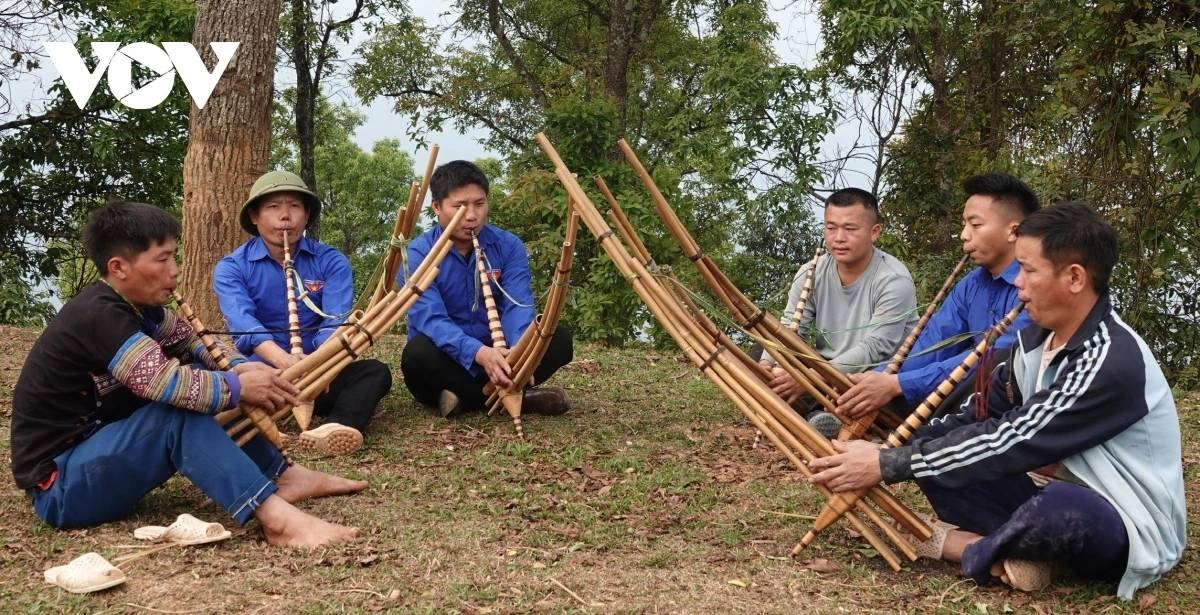
Youth-led panpipe clubs have also emerged in neighbouring Lao Chai commune, with more than a dozen members practising regularly. Local youths say such clubs are essential to prevent the tradition from fading due to the lack of teachers.
Across Mu Cang Chai and surrounding communes, most villages now maintain Mong cultural performance teams. Since 2019, local schools have incorporated panpipe dance into extracurricular and physical education programmes. Annual Mong Panpipe Festivals have also been held since 2022, further raising awareness and participation.
According to Vu Thi Mai Oanh, Deputy Director of the Lao Cai Department of Culture, Sports and Tourism, the key to safeguarding intangible heritage lies in community pride.
“When people take pride in their heritage, preservation happens naturally,” she says, adding that the integration of Mong cultural practices with the nationally recognised Mu Cang Chai terraced rice fields has created a sustainable cultural and tourism ecosystem.
This year’s Mong Panpipe Festival is scheduled to take place during the 2026 New Year holiday, featuring performances by local artisans to welcome visitors to the region.
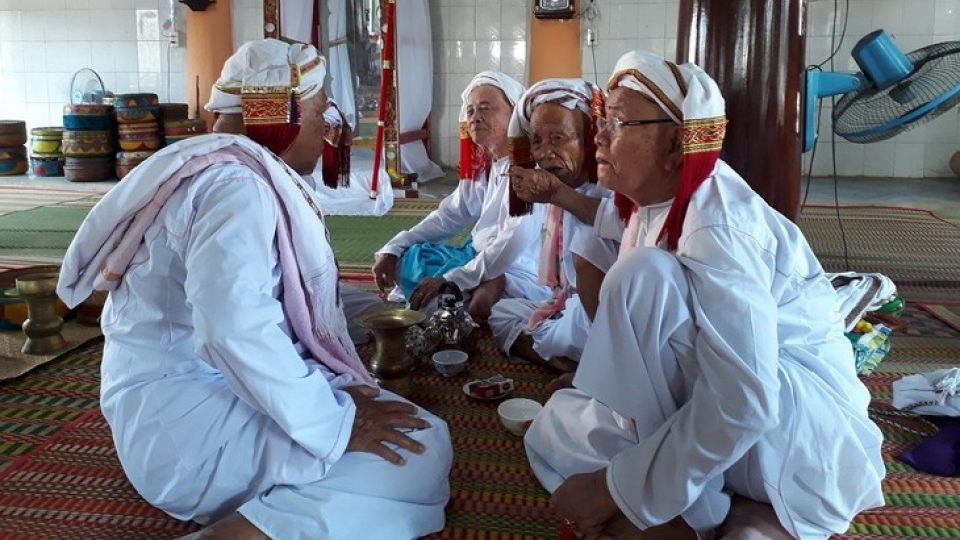
Rotating Suk Yung Festival celebrates faith, unity of Cham Bani people
VOV.VN - The Suk Yung Festival of the Cham Bani community is held at the mosque from the end of the 10th month to the end of the 11th month of the Islamic calendar. It was from October 31 to December 12 this year.