Hung Kings’ Commemoration Day reinforces Vietnam’s cultural roots and national identity

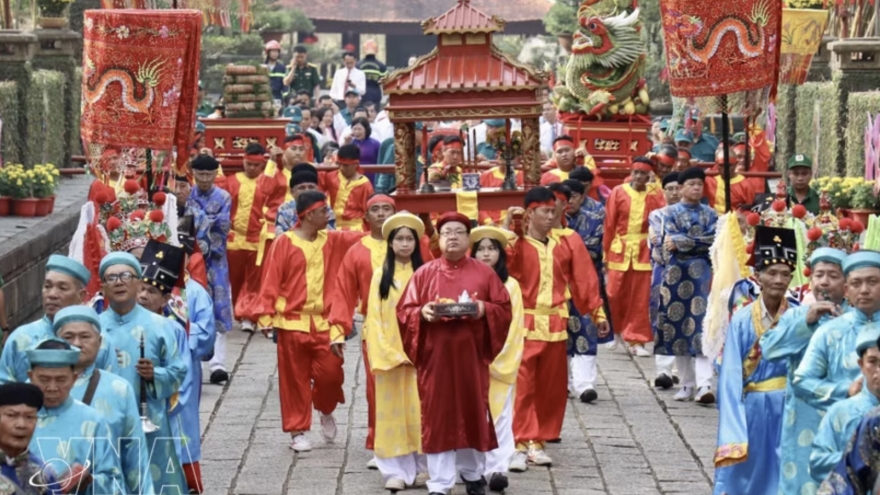
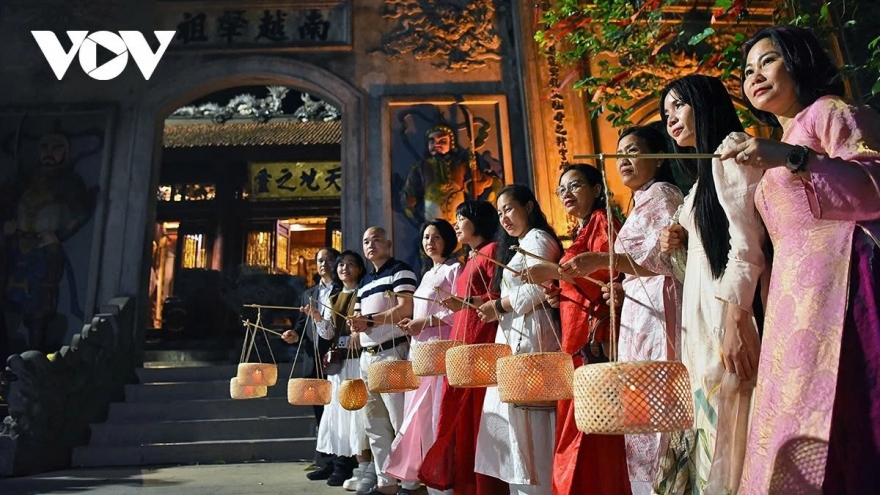
VOV.VN - Hung Kings’ Commemoration Day, observed on the 10th day of the third lunar month, honours Vietnam’s legendary founders and highlights enduring cultural values and national identity, a tradition recognised by UNESCO as intangible cultural heritage.
Though not strictly historical figures in academic terms, the Hung Kings are revered in Vietnamese tradition as semi-mythical rulers who established the ancient state of Van Lang thousands of years ago. Their legacy, preserved through generations, forms a cornerstone of Vietnam’s origin narrative and a powerful symbol of national unity.
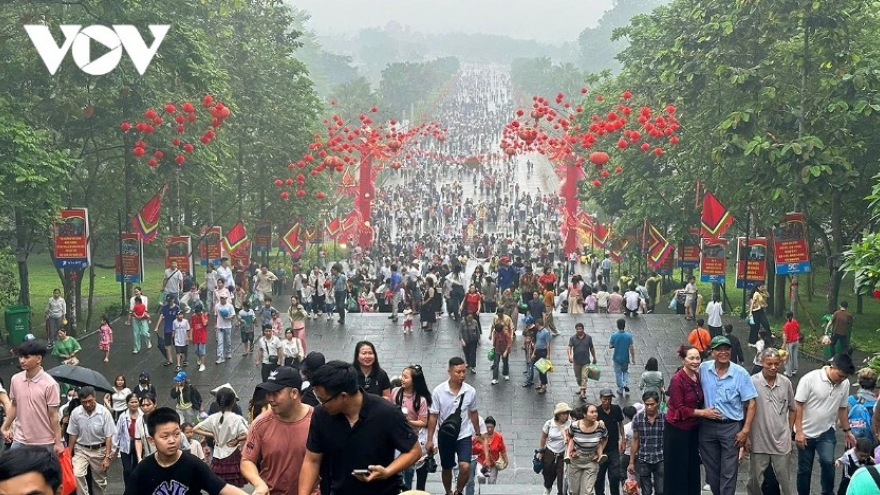
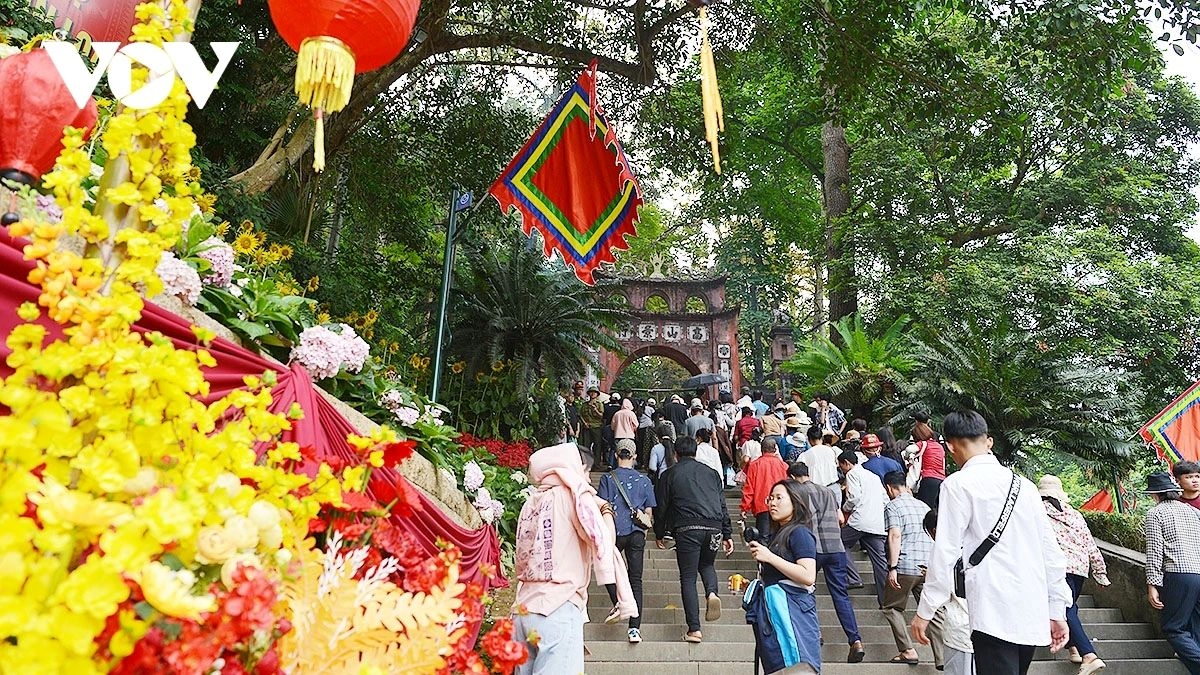
Each year, millions of pilgrims journey to the Hung Kings Temple complex in Phu Tho province, widely regarded as the ancestral land of the Vietnamese people. The commemoration is marked by solemn rituals, incense offerings and large-scale gatherings, as visitors return to what is often described as the “cradle of the nation.”
Beyond ritual practices, the day holds profound cultural and moral significance. According to Associate Professor Bui Xuan Dinh, an ethnologist in Vietnam, the tradition reflects the enduring Vietnamese ethos of gratitude expressed in the saying “when drinking water, remembering its source,” underscoring respect for ancestors and the continuity of traditions across generations.
“This cultural practice expresses the spirit of ancestral reverence and forms an important moral foundation in Vietnamese society,” he noted.
The significance of Hung Kings’ worship has also been recognised internationally. In 2012, UNESCO inscribed the belief and associated rituals on the Representative List of the Intangible Cultural Heritage of Humanity. UNESCO highlights its role in strengthening community identity and maintaining a shared sense of origin among Vietnamese people.
Scholars at the Ho Chi Minh National Academy of Politics also regard the practice as a distinctive cultural institution that has endured since ancient times and continues to shape Vietnam’s spiritual life and national identity. Researcher Le Van Loi describes it as “a defining element of Vietnamese cultural identity formed and preserved over generations.”
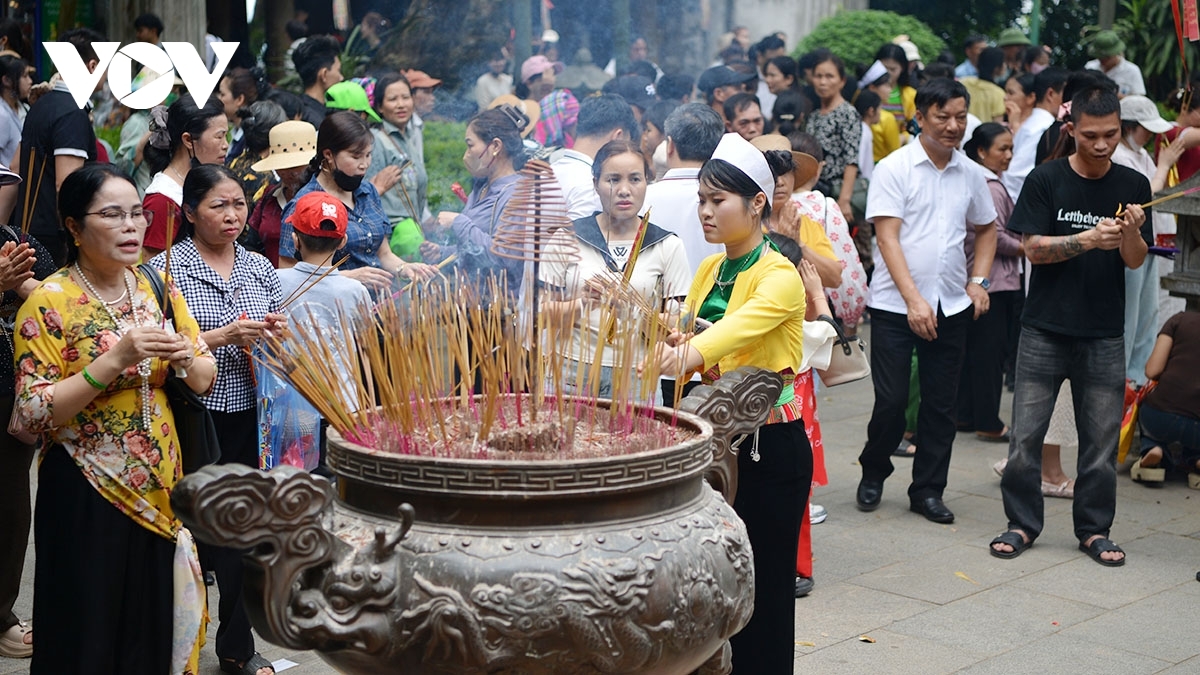
The significance of the tradition is also reflected in public consciousness. President Ho Chi Minh once affirmed: “The Hung Kings founded the nation; we must together preserve it.” His message continues to resonate as a call for unity and collective responsibility.
For international audiences, Hung Kings’ Commemoration Day provides a meaningful perspective on how Vietnam intertwines history, mythology and cultural identity. Unlike many national holidays centred on political milestones, this observance is rooted in ancestral remembrance and spiritual continuity.
Anthropologists often note that such traditions reflect a broader East Asian cultural pattern of ancestor veneration, yet Vietnam’s interpretation remains distinct in its strong link between mythology, national origin and collective identity.
In contemporary Vietnam, the commemoration has evolved into both a solemn ritual and a vibrant cultural event, attracting visitors, strengthening social cohesion and reinforcing national narratives amid rapid modernisation.
As the country continues to develop, Hung Kings’ Commemoration Day endures as a symbolic bridge between past and present, highlighting shared roots and the enduring values that shape Vietnam’s identity.
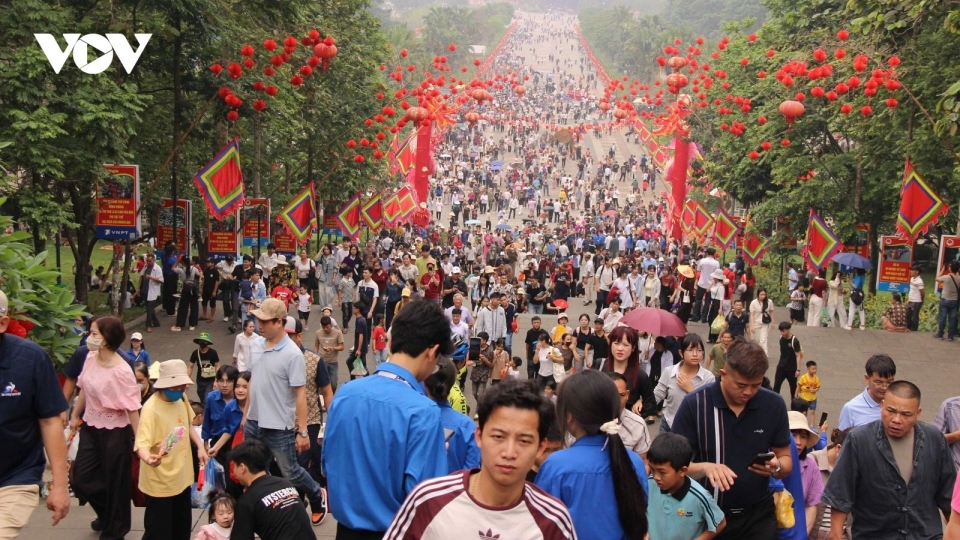
Thousands pay homage at ancestral land ahead of Hung Kings Commemoration Day
VOV.VN - On April 25 (the 9th day of the third lunar month), large crowds gathered at Hung Kings Temple in Phu Tho province to visit and pay homage to the Hung Kings, believed to be Vietnamese nation’s ancestors, one day ahead of their Commemoration Day.