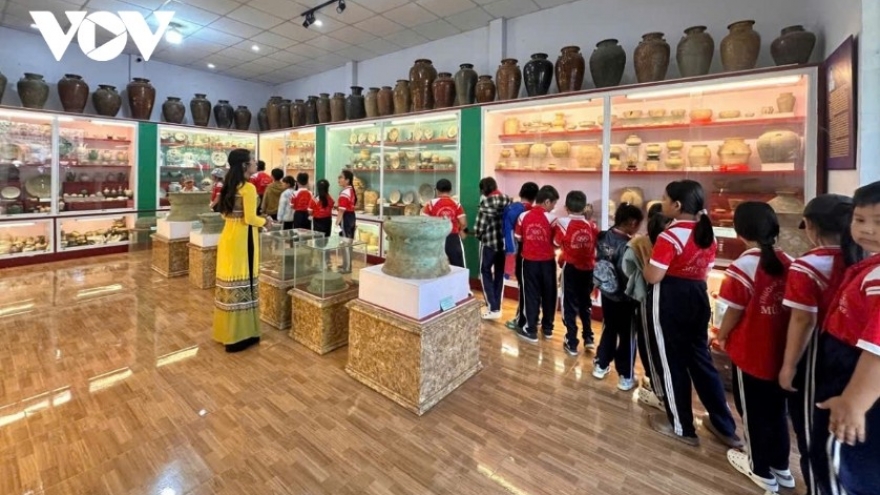
Heritage digitalisation helps awaken memory, unlock development resources

The digitalisation of cultural heritage is emerging as a powerful tool to “awaken” collective memory while unlocking new resources for development, as Vietnam accelerates national digital transformation under Resolution No. 57-NQ/TW of the Politburo.
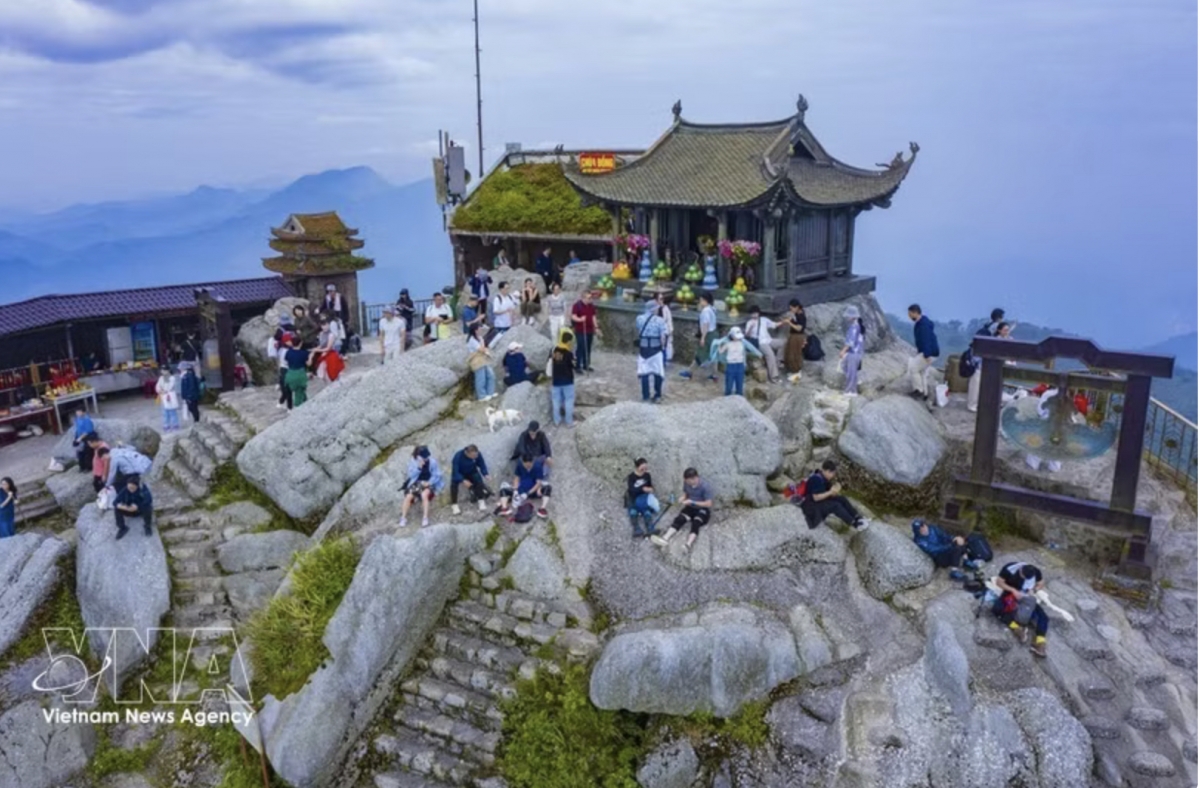
In the digital era, heritage is no longer confined to physical spaces or community memory. From ancient architecture to intangible cultural practices, it is increasingly being transformed into digital data, helping preserving traditional values but also creates fresh momentum for socio-economic development.
Localities nationwide are moving beyond experimentation. Digital heritage is becoming an inevitable pathway to keep heritage alive in modern life.
“Awakening” heritage values through technology
One of the most visible impacts of digitalisation is improved public access. Localituies have actively applied modern technologies to both preserve and promote heritage, while enhancing tourism experiences.
At the van Mieu Vinh Phuc in Phu Tho province, a historic complex dedicated to scholars from the Ly to Nguyen dynasties, digital tools have been introduced to enrich visitor engagement. Through the “63 Stravel” smart tourism application, users can access multimedia content on the site’s architecture and cultural significance. Visitors can scan QR codes or use mobile devices to listen to automated guides in four languages – Vietnamese, English, Korean and Japanese – accompanied by vivid visuals.
Hanoi has also taken the lead in integrating digital solutions into heritage management. Major sites such as the Van Mieu (Temple of Literature) – Quoc Tu Giam, the Imperial Citadel of Thang Long, Hoa Lo Prison relic and Duong Lam ancient village have adopted e-tickets, QR codes, smart access gates and online payment systems, improving transparency and convenience.
Digital applications have also enhanced visitor experiences. At the Imperial Citadel of Thang Long, 3D mapping and interactive software are being used in exhibitions. Virtual tours and 360-degree digitised spaces allow visitors to explore heritage remotely, making cultural experiences more immersive and accessible, especially for younger audiences.
Similar efforts are underway nationwide. In the Mekong Deltha province of An Giang, the Ton Duc Thang Memorial Site has been digitised with QR codes providing Vietnamese and English content, images and videos. Visitors can explore the site virtually on smartphones, effectively turning heritage into a “museum in the palm of the hand.”
According to Nguyen Quang Khanh, Deputy Director of the provincial Relics Management Board under the provincial Department of Culture, Sports and Tourism, nearly 40 key historical and cultural sites in the locality have been digitised, helping modernise heritage education and bridge the past with contemporary life.
Meanwhile, visitors can search the keyword “camgiang360” on Google to virtually explore a system of historical sites in the former Cam Giang district of Hai Duong province (now Hai Phong city) on a digital platform, without needing to travel there in person. They can select a site, click to begin a tour route, and each scene will unfold in vivid detail, accompanied by in-depth narration, offering an immersive experience as if they were physically present at the heritage site.
These examples show that technology is breaking down spatial and temporal barriers, bringing heritage closer to the public, especially young people.
Preserving heritage sustainably in digital age
Beyond accessibility, digitalisation plays a crucial role in long-term preservation.
In Hai Phong, the application of technology, including the digitalisation of heritage sites, has been actively implemented, delivering tangible results in preserving, managing, and promoting the city’s cultural heritage values.
According to Ha Quang Thanh, Head of the Cam Giang Heritage Management Division under the Con Son–Kiep Bac Relic Site Management Board, the success of digitalisation at the Van Mieu Mao Dien and the cluster of Xua Temple–Giam Pagoda–Bia Temple highlights the need for continued, synchronised investment in digitising national and special national relic sites. This is seen as a crucial approach to effectively disseminate heritage values while contributing to sustainable tourism development.
Meanwhile, Khanh said the Relics Heritage Management Board of An Giang province will continue to accelerate the digitalisation of heritage through QR code systems, 3D technology, and 360-degree VR to identify artifacts and optimise user interfaces in a more human-centred and user-friendly direction.
The unit will also make full use of the advantages of digital technology, through its website and social media platforms such as Facebook, YouTube, and TikTok, to disseminate images and videos of activities related to the preservation of historical and cultural sites and festivals, thereby bringing the image of An Giang’s land and people closer to a public and visitors, he added.
Turning cultural values into development resources
Crucially, digital heritage can be transformed into a development resource. Many localities report increased tourist arrivals after adopting digital technologies.
In Tay Ninh province, for example, digital promotion and management have helped position the locality as an attractive destination.
Hanoi, home to the largest number of heritage sites in the country, is expected to benefit significantly from this trend. When combined with digital technology, its vast cultural assets can fuel the growth of cultural industries and tourism, generating high-quality digital cultural products for modern audiences.
With strong determination from the municipal authorities, alongside the support of businesses and the community, Hanoi has sufficient capacity to realise its goal of becoming one of the region’s leading smart and sustainable tourism hubs, where heritage is preserved, honoured, and promoted in a new context.
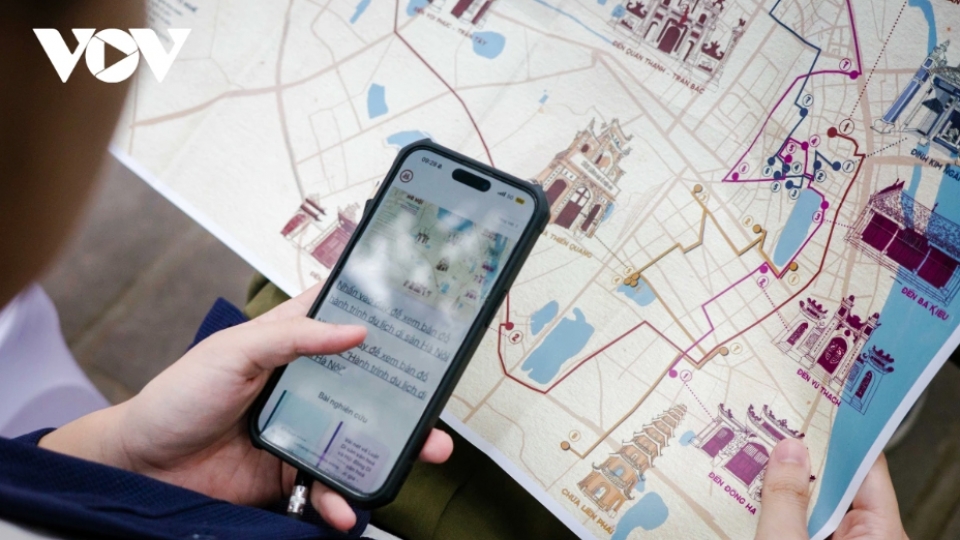
Hanoi to digitise entire cultural heritage system, expand interactive access
VOV.VN - Hanoi authorities have announced an ambitious plan to comprehensively digitise the capital’s cultural heritage, as part of efforts to modernise cultural management and promote Vietnam’s cultural identity globally.