Digitalisation at Mui Ne Museum helps preserve and promote cultural heritage

VOV.VN - The Mui Ne Antiquities Museum in Lam Dong province, southern Vietnam, is digitising artefacts to preserve, introduce and promote the value of cultural heritage, enabling broader public access and meeting demand for research and tourism through online platforms.
Expanding access in digital space
Established in 2023, the Mui Ne Antiquities Museum is a private museum operated by collector Nguyen Ngoc An.
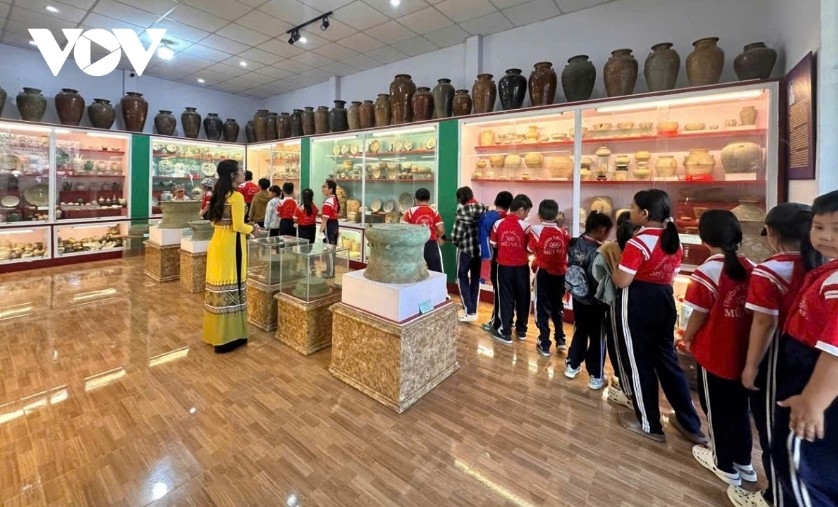
Covering more than 2,500 square metres, the museum displays around 20,000 artefacts across six thematic sections, with more than 30,000 additional items in storage.
So far, just over 50 artefacts have been digitised, helping make the collection more accessible and supporting research and tourism needs.
The artefacts date from around 1,500 BC to before 1975 and are organised into six themes, including ceramics, sculptures, Cham royal costumes, ancient lithophones and tombstones.
Each item reflects historical, cultural and archaeological value.
Uc Viet Vong, a resident of Bac Binh commune in Lam Dong province, said the application of digital technology at the museum makes it easier for visitors, particularly students and researchers, to access and understand information.
He said this contributes to raising awareness among younger generations about preserving and promoting cultural heritage, while also attracting more visitors to Mui Ne.
Nguyen Ngoc An said that to meet demand from researchers, students and visitors, the museum plans to digitise artefacts and develop 3D presentations to fully convey content, given limited exhibition space. The museum is working with several partners to implement the plan.
He added that the museum has begun building a digital platform, with more than 50 artefacts already digitised.
In the coming period, it plans to apply technologies such as artificial intelligence and add more languages to improve accessibility.
Call for support to accelerate digital transformation
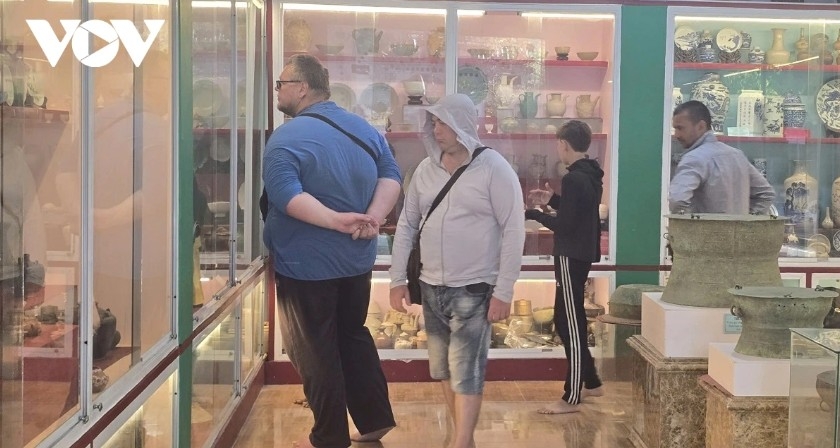
Since opening, the museum has welcomed hundreds of thousands of visitors from Vietnam and abroad.
It does not charge admission and regularly works with educational institutions to support study and research.
With a view to better preservation, Nguyen Ngoc An has donated more than 2,000 artefacts of historical, cultural, archaeological and ethnological value to the Cham Cultural Exhibition Centre and the Lam Dong Museum (formerly Binh Thuan Museum).
He has also donated more than 5,000 artefacts to other museums nationwide.
Lu Thai Tuyen, Deputy Director of the Lam Dong Museum, said that as tourism shifts from leisure to cultural experience, museums are becoming a distinctive highlight.
Digitising artefacts, particularly through 3D models, expands access, supports preservation and brings heritage closer to the public.
Nguyen Ngoc An expressed hope for greater State support in digital transformation to speed up implementation.
He said such support would help complete the digitisation of artefacts and develop digital museums nationwide as a contribution to narrowing the gap with museums in other countries and supporting tourism in Lam Dong province.
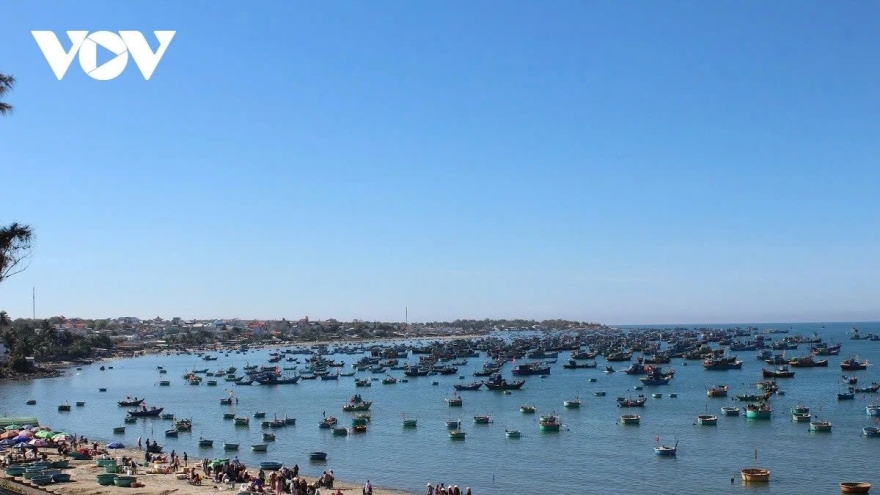
Located in the Mui Ne fishing village, the museum is a cultural highlight that tells the long history of the south-central coastal region through its collections, both on display and online.

Ky Duyen strikes a pose amongst sand dunes at Mui Ne
VOV.VN - Nguyen Cao Ky Duyen stopped by Mui Ne to strike a pose amongst the sand dunes as part of a promotional shoot for an upcoming May 25 fashion show of designer Hoang Hai in Ho Chi Minh City.