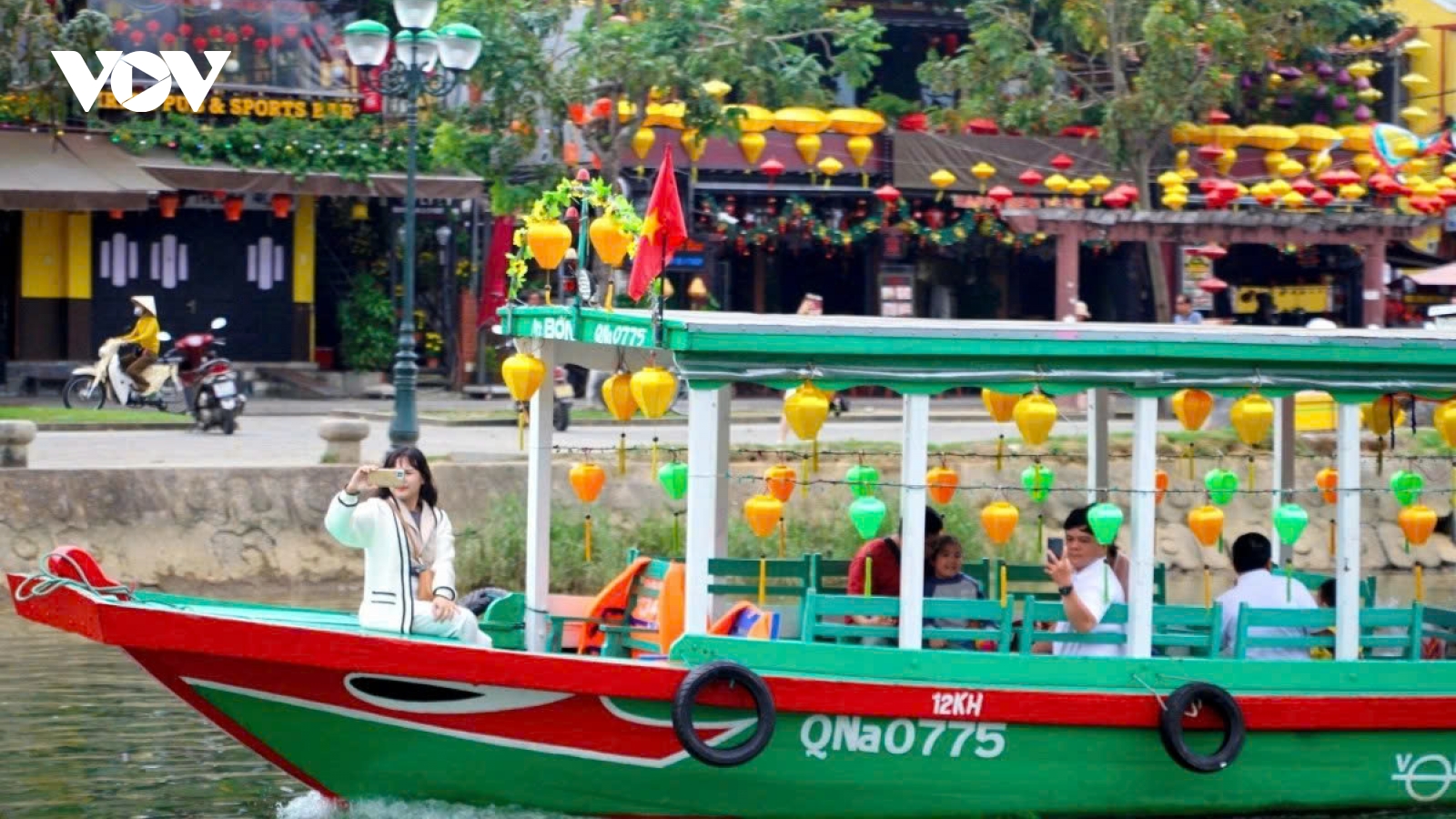
Vietnam tipped as a top travel destination in Asia for 2026

VOV.VN - Vietnam is set to become one of Asia’s most compelling destinations in 2026, with a combination of striking natural scenery, cultural depth and the modern energy of its major cities, according to the French fashion magazine Vogue.
After a prolonged period affected by the COVID-19 pandemic, the country has reopened more fully to international travelers, offering a wide range of experiences, from renowned heritage sites to high-end resorts, while preserving a rare sense of authenticity and a strong national identity.
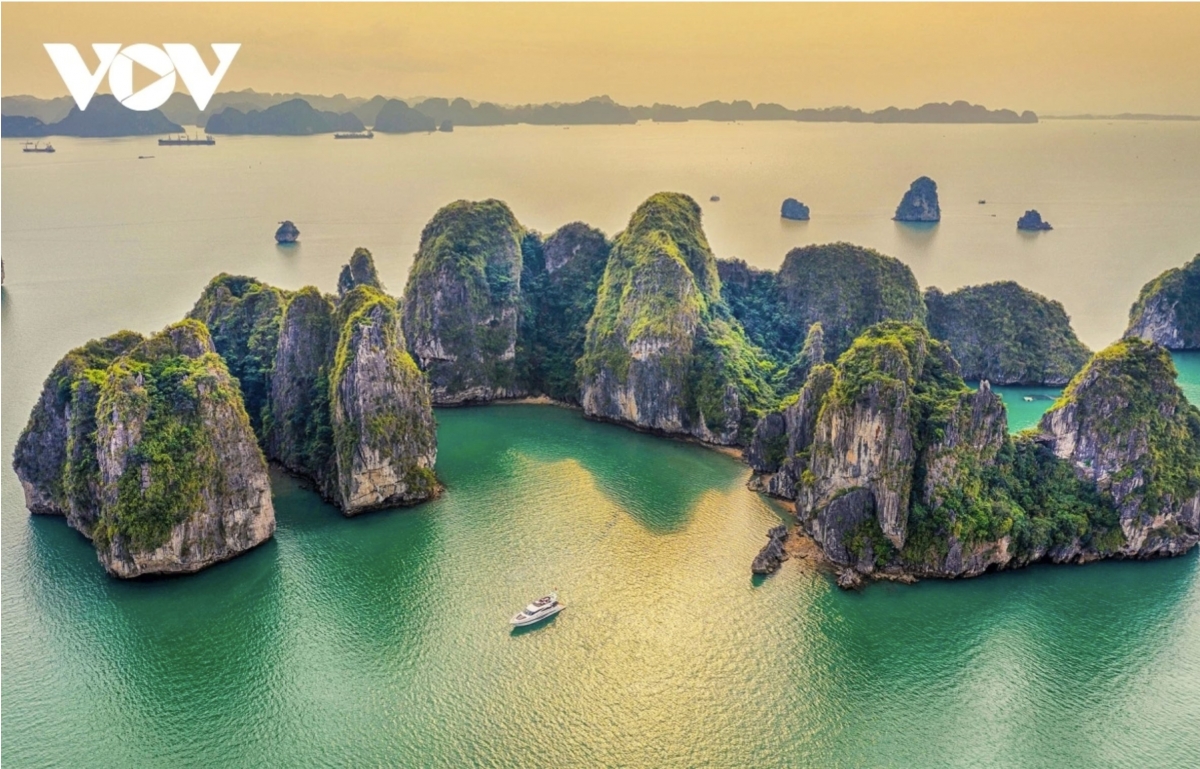
Vietnam’s appeal begins with its iconic natural landscapes. Ha Long Bay, with emerald waters and towering limestone formations, remains a defining image of the country’s tourism and has appeared in several international films. Inland, Ninh Binh is often described as “Ha Long Bay on land,” known for its limestone mountains, rivers and rice fields that offer visitors a close connection to nature.
In central Vietnam, Hue, the country’s former imperial capital, draws visitors with its complex of historical monuments recognized as a World Heritage site, along with a distinctive court culture and cuisine.
Other destinations, including Phong Nha with its vast cave systems, Sa Pa with its mountain scenery and terraced fields, and the islands and beaches of Phu Quoc and Con Dao, continue to broaden options for travelers interested in eco-tourism and leisure.
Vietnam’s major cities also play a central role in shaping the country’s tourism profile. Hanoi, the nation’s cultural center, is noted for its mix of tranquil lakes, the Old Quarter, colonial-era architecture and contemporary urban life.
In the historic quarter, colonial-style houses line narrow streets in what was once the French Quarter. Visitors can sample signature street food such as bún chả (grilled pork served with rice noodles and dipping sauce), cà phê trứng ( egg coffee) and chè khúc bạch, a chilled almond-based dessert with fruit. As night falls, the city becomes more animated, with rooftop bars offering panoramic views and lively clubs where international DJs perform.
Meanwhile, Ho Chi Minh City presents itself as a dynamic and contrasting metropolis, where modern skyscrapers stand alongside timeworn colonial buildings. With its open, energetic and international atmosphere, the city brings together historical heritage, creative spaces and contemporary lifestyles.
It also best reflects Vietnam’s entrepreneurial spirit and creativity, seen in its network of art galleries, independent cafes, design shops and constantly evolving restaurants. Visitors can stay in architecturally distinctive luxury hotels, enjoy nightlife at rooftop bars, explore creative shopping districts and engage with contemporary art, creating a multi-layered urban experience that captures the vitality of the country’s largest city.
Alongside urban growth, a nationwide network of high-end resorts has helped elevate Vietnam’s image on the international tourism map. Coastal resorts in destinations such as Nha Trang, Cam Ranh, Phu Quoc and Con Dao offer a wide spectrum of choices, from eco-focused stays to luxury services closely linked with nature conservation.
Improved air connectivity is another factor making Vietnam more accessible to international visitors. From Paris, Vietnam Airlines operates direct air routes to Hanoi and Ho Chi Minh City using new-generation wide-body aircraft, enhancing travel comfort and strengthening links to destinations across the region.
According to Vogue, with its combination of heritage, natural landscapes, modern cities and increasingly developed tourism infrastructure, Vietnam is regarded as one of the standout destinations for 2026, meeting the growing demand among international travelers for distinctive, sustainable and culturally rich experiences.

Phong Nha named top budget-friendly travel destination for spring 2025: Agoda
Phong Nha in the central province of Quang Binh has topped the list of the most affordable destinations for spring travel in April and May selected by digital travel platform Agoda.
Vietnam overtakes Thailand as top travel destination for Chinese tourists
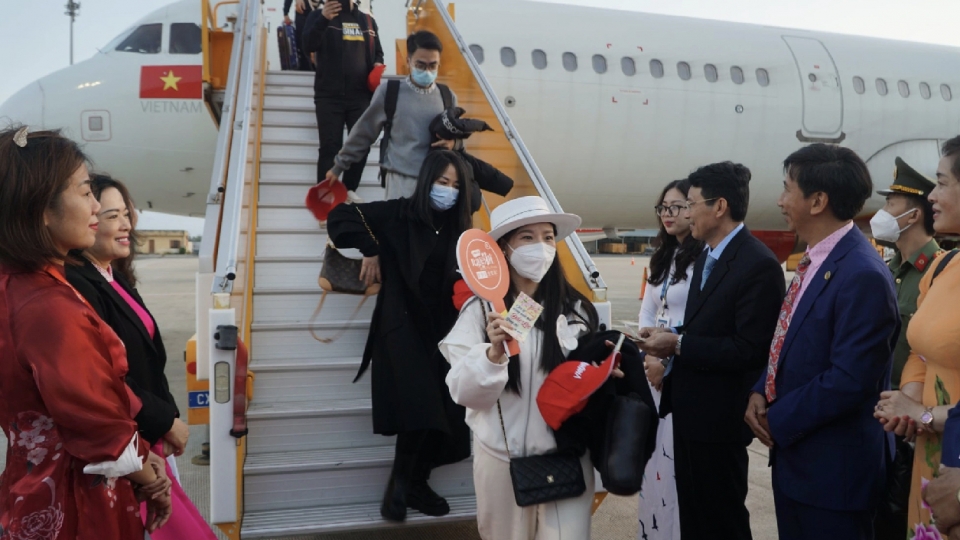
VOV.VN - Vietnam has overtaken Thailand to become the top destination in the region for Chinese tourists, recording a historic 3.5 million arrivals as of August 2025.