


US magazine lists best and worst times to visit Vietnam

VOV.VN - Late February to early March is the ideal time to explore Vietnam, while the rainy season may disrupt travel to mountainous areas and Ha Long Bay, according to US travel magazine Travel + Leisure.
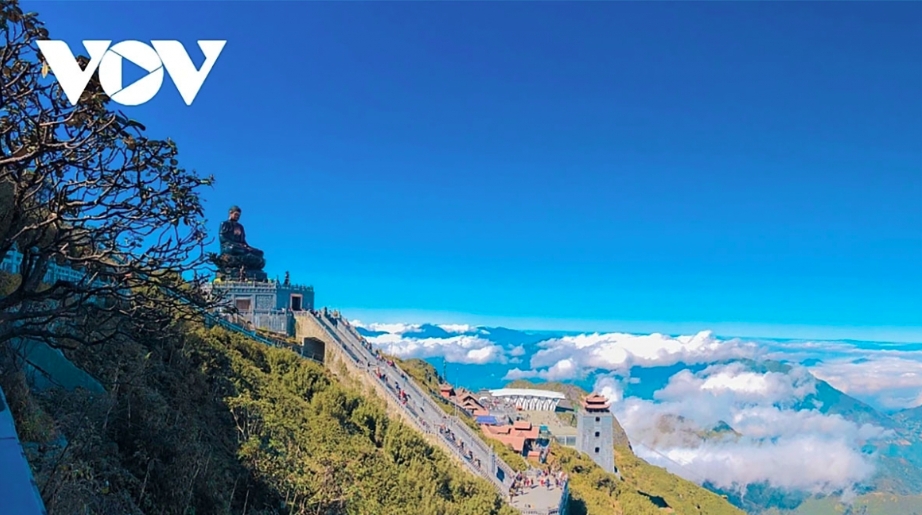
Travel + Leisure has outlined the best times to visit Vietnam based on weather conditions, tourist crowds, and travel costs. The magazine recommends late February to early March for travellers planning to explore the country from Ho Chi Minh City to Hanoi, when conditions are generally dry across much of the country.
Best times to explore Vietnam
According to the magazine, the dry season offers favourable conditions for travelling across Vietnam, although the ideal time varies by region. Travellers should consider planning their trips around the Lunar New Year, or Tet, which usually falls in late January or February, as many attractions and businesses may close or operate reduced hours during the holiday.
Hanoi and Sa Pa are best visited from September to November or March to April, when temperatures are relatively mild. Meanwhile, central coastal destinations such as Hoi An and Nha Trang offer favourable conditions between April and August. In southern Vietnam, the Mekong Delta and Phu Quoc are recommended from October to April.
Rainy season poses challenges
Travel + Leisure advises travellers to exercise caution between May and October, particularly when planning weather-dependent activities in northern mountainous areas and Ha Long Bay. Melissa Matthews, regional director for Southeast Asia and North America at luxury travel company Red Savannah, noted that the rainy season often brings heavy rainfall, high humidity, and unpredictable weather.
She advised against trekking in Sa Pa or booking cruises in Ha Long Bay during unfavourable conditions, as storms can disrupt outdoor activities and force boats to suspend operations. However, the magazine stressed that the rainy season does not necessarily mean travellers should avoid Vietnam altogether, as museums, temples, and urban attractions remain alternatives during periods of rain.
Benjamin Kreuz, former general manager of Six Senses Ninh Van Bay resort in Khanh Hoa, recommended keeping travel plans flexible rather than booking every activity in advance. This approach allows visitors to adjust their itineraries according to the weather while taking advantage of lower prices during the off-peak season.
April, May, October and November offer better value
For budget-conscious travellers, Travel + Leisure recommends the shoulder-season months of April, May, October, and November, when airfares and accommodation rates may be more competitive than during peak periods. The low season, generally from May to August, can also offer lower costs and fewer crowds at popular attractions, restaurants, and beaches, although travellers need to consider the risk of heavy rain.
For Ha Long Bay, April, October, and November are recommended for their relatively warm and less humid weather, as well as smaller tourist crowds. Sa Pa is particularly suitable for trekking between September and November or March and April. From late August to September, the region's terraced rice fields turn golden as the crops ripen, attracting photography enthusiasts and visitors interested in local culture.
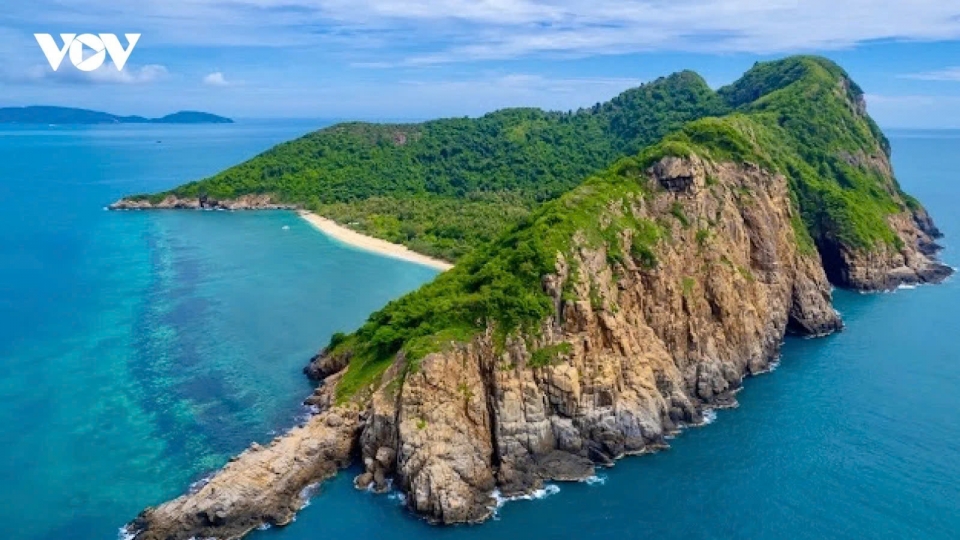
Con Dao tops Travel+Leisure’s list of world’s 30 hidden islands
VOV.VN - US travel magazine Travel+Leisure has ranked Con Dao, an archipelago off the coast of southern Vietnam, first on its list of the world’s 30 hidden islands, citing its pristine landscapes, unique ecosystem and rich historical heritage.

