Russian arrivals to Vietnam surged 200% in 2025

VOV.VN - The nearly 200% surge in Russian arrivals to Vietnam in 2025 not only signaled a strong recovery in tourism volumes but also reflected a strategic shift toward data-driven, technology-enabled promotion.
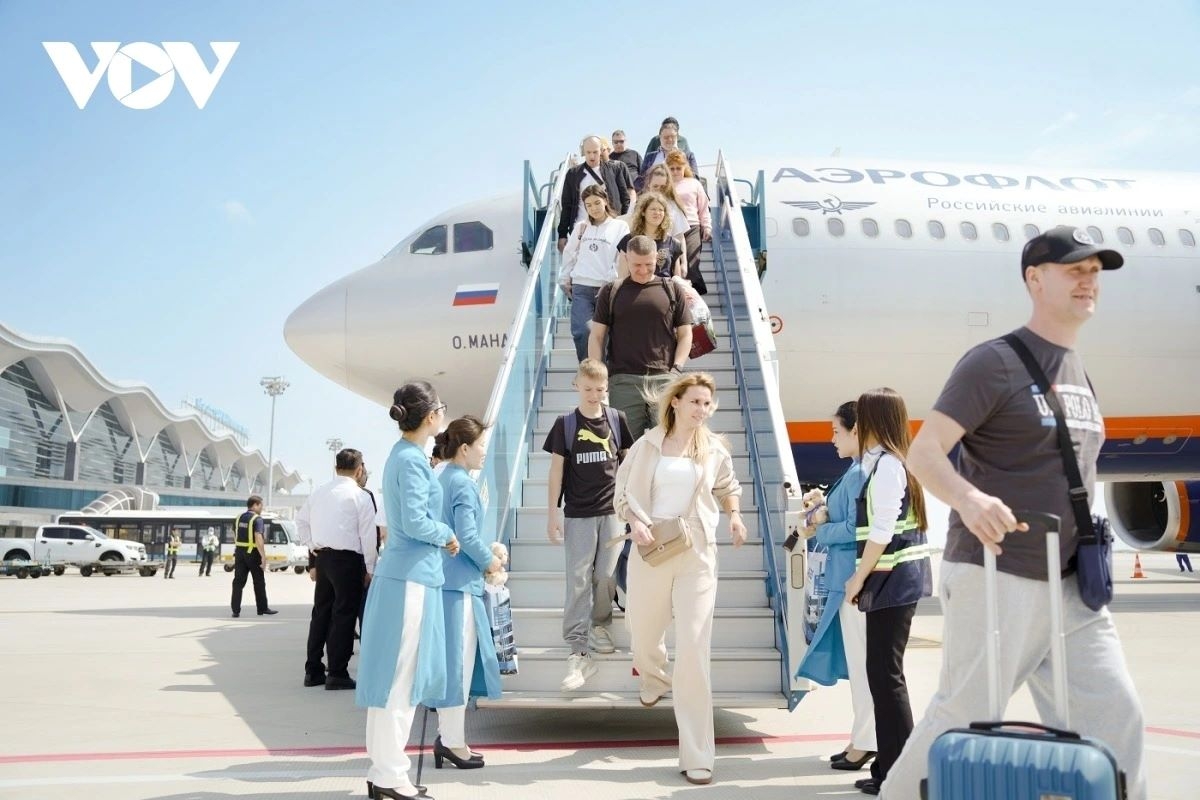
In 2025, Vietnam welcomed 21.2 million international arrivals, nearly 18% higher than the pre-pandemic peak in 2019. According to the Vietnam National Authority of Tourism, the growth came from multiple markets, including India (up 48.9%), Cambodia (44.8%), China (41.3%) and Japan (14.4%).
Notably, Russia recorded the fastest growth rate. Vietnam received 689,714 Russian visitors in 2025, a 196.9% increase from 2024 and surpassing the pre-COVID record of 646,500 arrivals in 2019.
According to Russian Union of Travel Industry, Vietnam emerged as a top destination for package tours in 2025, driven by favourable visa policies and the resumption of charter flights from Moscow and major Russian cities to Cam Ranh and Phu Quoc.
With year-round warm weather, family-friendly resorts and competitive costs, Vietnam is increasingly seen as a strong contender in the all-inclusive holiday segment.
From mass promotion to behaviour-based targeting
Data from 2025 showed a shift in tourism marketing strategies. While tourism promotion campaigns previously focused on seasons or national markets, advertising technology now enables targeting based on user behaviour and search context.
Thu Nguyen, an AdTech strategy and business development expert, said that this approach allowed marketers to reach travellers actively searching for warm-weather destinations in winter, comparing long-stay resort packages, or showing interest in wellness tourism.
As a result, destinations such as Nha Trang, Phu Quoc and Da Nang have attracted more families and group travellers seeking longer stay and higher-end services.
Technology boosts value per visitor
The use of data-driven promotion helped expand markets without proportional increases in marketing budgets, while prioritising high-spending visitor segments.
This trend aligned with the government’s broader digital transformation efforts, including the operation of the national tourism data platform Visit Vietnam.
In 2025, total tourism revenue surpassed VND1 quadrillion, demonstrating the effectiveness of targeting the right demand. However, attracting suitable visitors is only the first step.
Looking ahead to 2026, the sector’s performance will increasingly depend on improving digital experiences, from electronic payments to online services, to ensure tourist demand is fully converted into economic value.

Vietnam remains preferred destination for Russian tourists
Despite recent unfavourable weather conditions in several Vietnamese localities, Russian travel companies reported no cancellations or reductions in tour bookings to Vietnam, indicating that the country remains a highly attractive destination for Russian holidaymakers.