Businesses brace for Middle East tensions as logistics disruptions threaten global trade

VOV.VN - Rising military tensions in the Middle East are sending shockwaves through global supply chains, prompting Vietnamese authorities to urge industry associations and exporters to proactively mitigate risks linked to energy volatility and logistics disruptions.
Escalating tensions in the Middle East are creating renewed turbulence for the global economy, with energy markets and international logistics emerging as the most immediate pressure points. Since February 28, large-scale airstrikes involving the United States, Israel and Iran have pushed regional instability to a new level, raising concerns about supply chain security and energy flows.
Logistics strained by Hormuz bottleneck
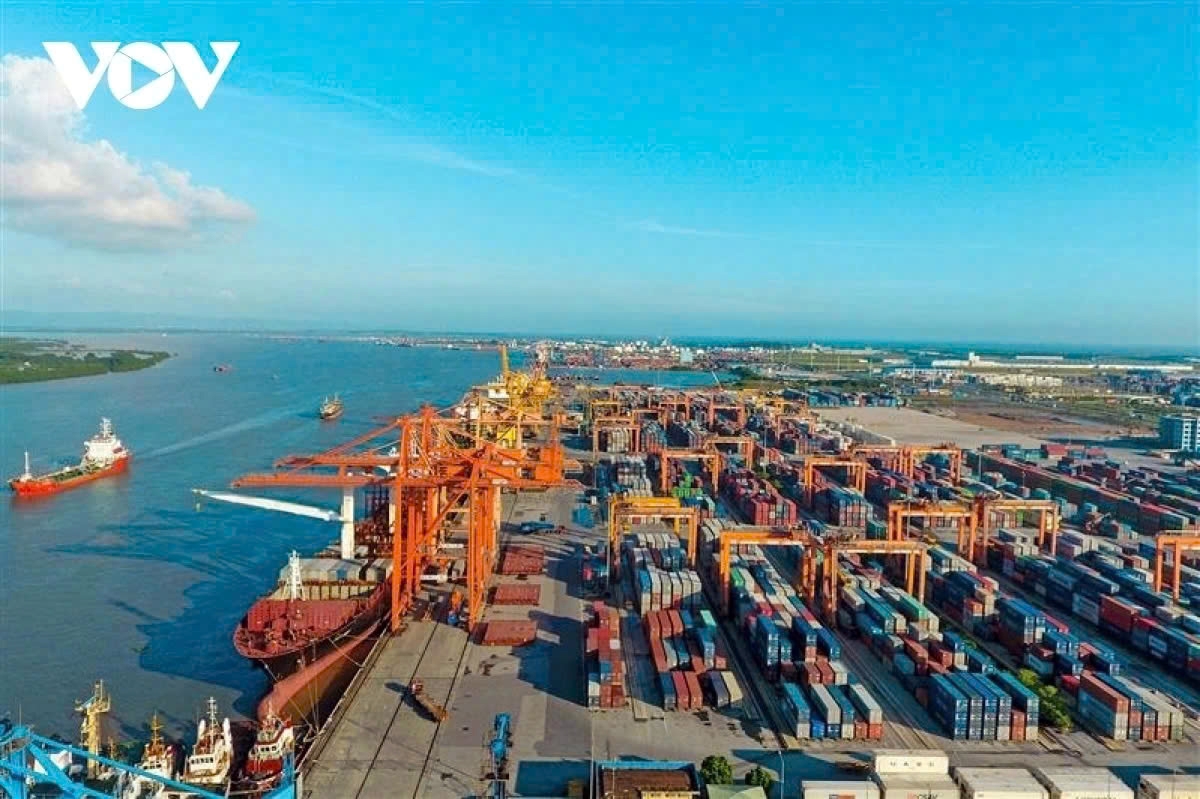
The most critical risk lies at the Strait of Hormuz, a vital maritime corridor that carries nearly a quarter of global oil shipments. Following the latest airstrikes, shipping activity through the waterway has slowed significantly. Iran has warned vessels of security risks, prompting many shipping lines to reroute or suspend services.
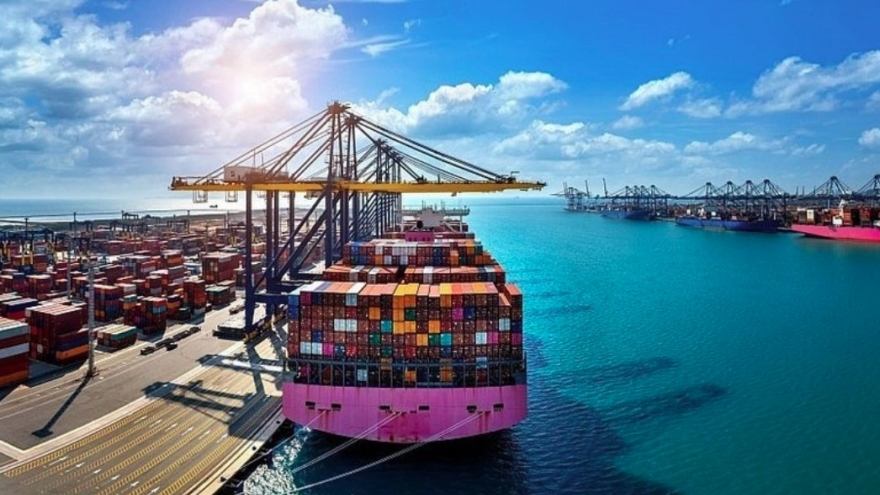
The immediate consequence has been heightened oil price volatility and rising fuel costs. Higher energy prices not only intensify global inflationary pressures but also drive up maritime and air freight rates - two core components of international logistics.
For Vietnam, one of Asia’s most trade-dependent economies, the energy shock may have multidimensional effects. Rising input costs could erode export price competitiveness, while weakening global demand may further weigh on outbound shipments.
Beyond Hormuz, transportation through the Suez Canal and the Red Sea corridor that are key routes linking Asia with Europe and parts of North America, has also faced knock-on disruptions.
According to Associate Professor Dr. Nguyen Huu Huan at the University of Economics – Ho Chi Minh City, logistics presents the most immediate risk. If vessels are forced to take longer routes or if war-risk surcharges increase, overall logistics expenses could surge by 15–25%. Should tensions persist for six months, Vietnam’s export turnover could decline by 2–4% due to delivery delays and reduced price competitiveness.
Businesses in Ho Chi Minh City are already feeling the strain. Pham Quang Anh, CEO of garment manufacturer Dony, said shipments to Jordan via the Suez–Red Sea route previously saw transit times extend from one month to three or four months during earlier instability, while 40-foot container freight rates jumped from approximately US$1,500 to US$5,500. The company is now reassessing delivery plans with overseas partners.
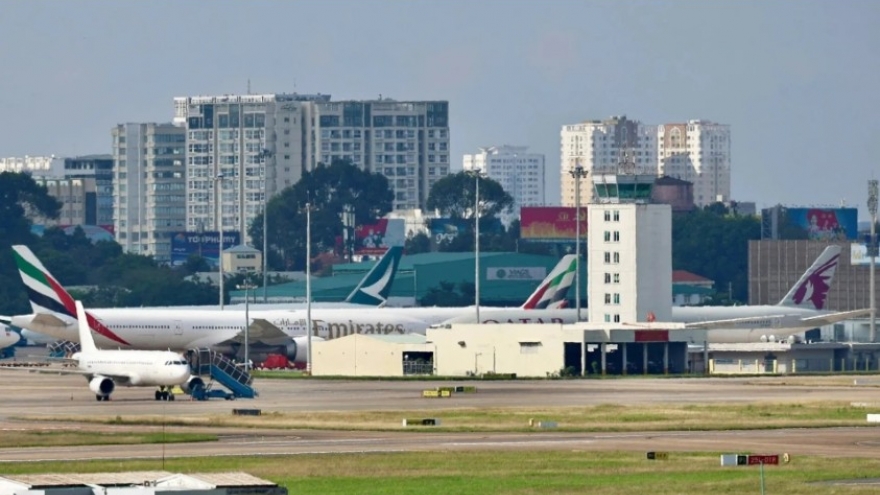
Air cargo is also under pressure. Several Middle Eastern countries have restricted or closed airspace for security reasons, forcing cargo flights to reroute, further increasing transit times and operational costs.
Historically, oil price spikes have triggered cascading effects on production costs, transportation expenses and consumer prices. With the global economy still navigating fragile growth conditions, a renewed energy shock could reignite inflation in multiple markets and dampen import demand.
For Vietnam, risks extend beyond logistics. Exporters may face delayed payments, contract disputes arising from late deliveries, and increased financial volatility affecting exchange rates, capital costs and investor sentiment.
Proactive and flexible strategies
In light of these developments, the Import-Export Department under the Ministry of Industry and Trade has recommended that associations and enterprises diversify supply sources and export markets to reduce reliance on Israel, Iran and other Middle Eastern destinations.
The associations and enterprises are required to strengthen contractual safeguards, particularly clauses related to logistics, force majeure, delivery timelines and insurance coverage. In addition, they are asked to enhance coordination and data-sharing with relevant ministries to monitor geopolitical risks, freight rates and trade flows; develop contingency plans to mitigate supply chain disruptions and commercial losses, and engage regularly with trade promotion agencies and overseas Vietnamese trade offices to identify alternative markets and new orders.
The Middle East conflict underscores a broader reality that in a deeply interconnected global economy, geopolitical flashpoints can quickly evolve into systemic trade risks. For Vietnam, the challenge is not merely about short-term freight costs or fuel price fluctuations. It is a test of risk management capacity, market diversification and corporate adaptability.
As global uncertainty intensifies, coordinated macroeconomic policy responses and agile business strategies will be crucial in safeguarding export momentum and sustaining economic growth.
HCM City tourism activates emergency response amid Middle East tensions
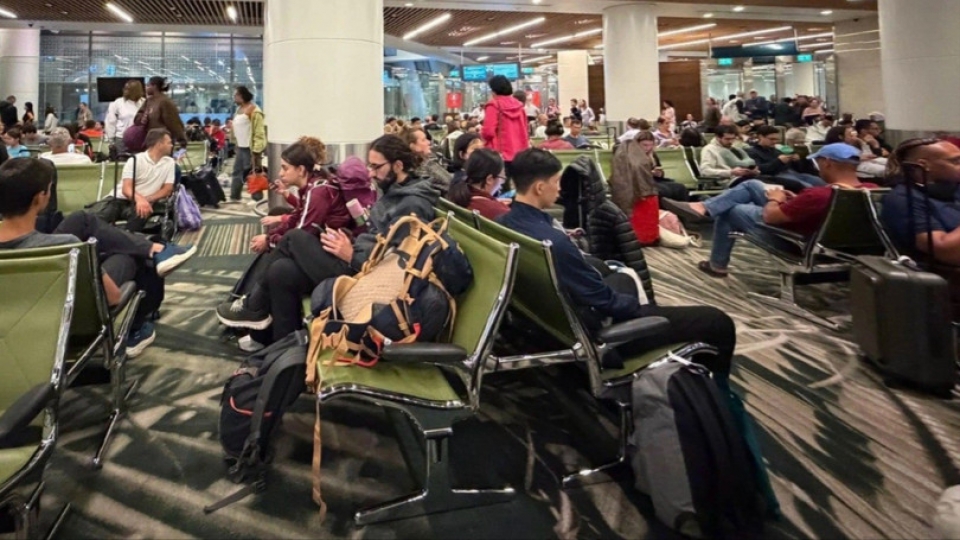
VOV.VN - Travel enterprises in Ho Chi Minh City have activated emergency response protocols to ensure the safety and rights of Vietnamese travelers amid ongoing geopolitical developments in the Middle East.