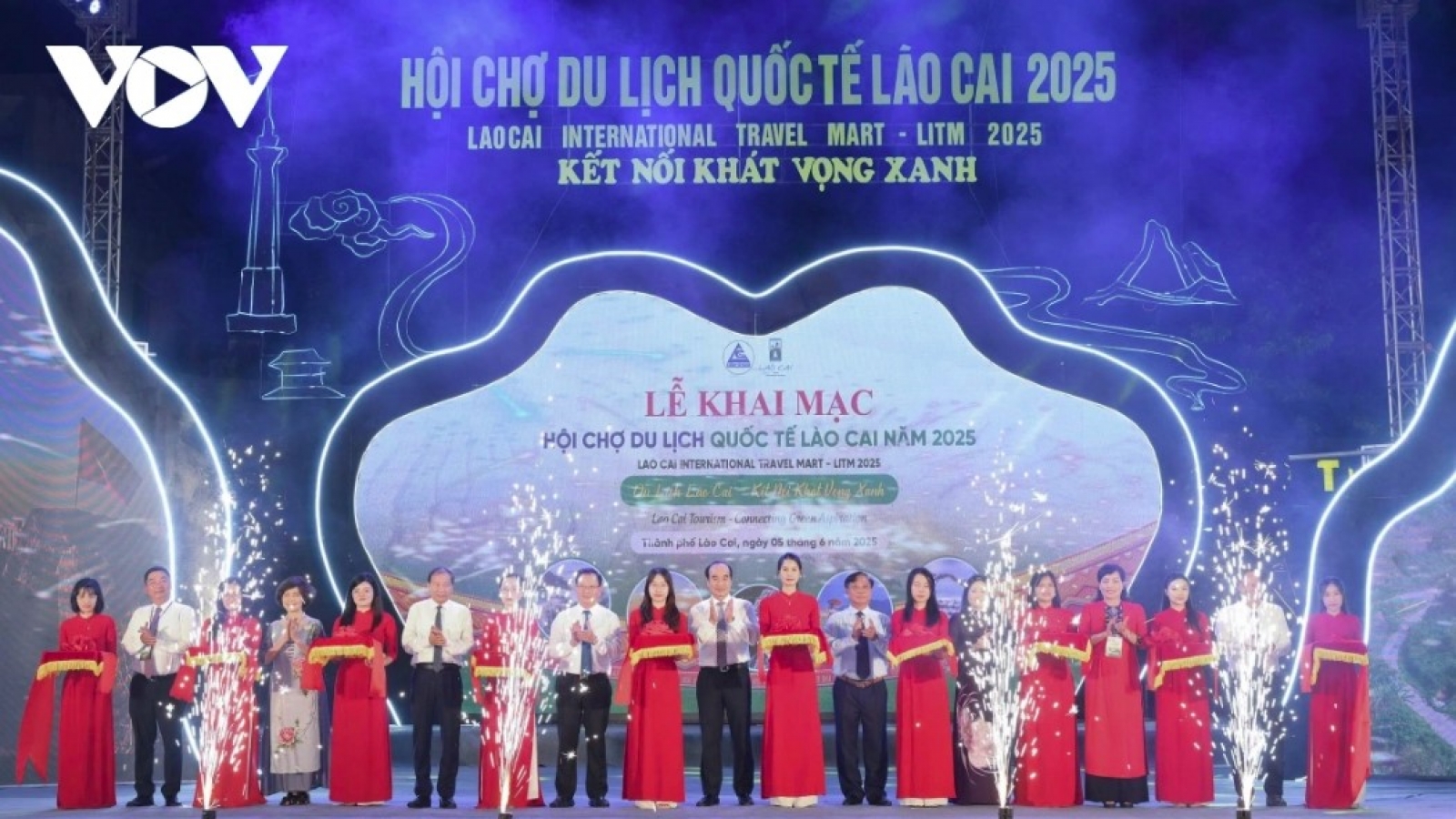
Lao Cai upgrades tourism infrastructure to boost Sa Pa’s global appeal

Lao Cai is consolidating its position as one of Vietnam’s leading tourist destinations as authorities are accelerating investment in infrastructure and tourism facilities to turn tourism into a spearhead economic sector of the northern mountainous province.
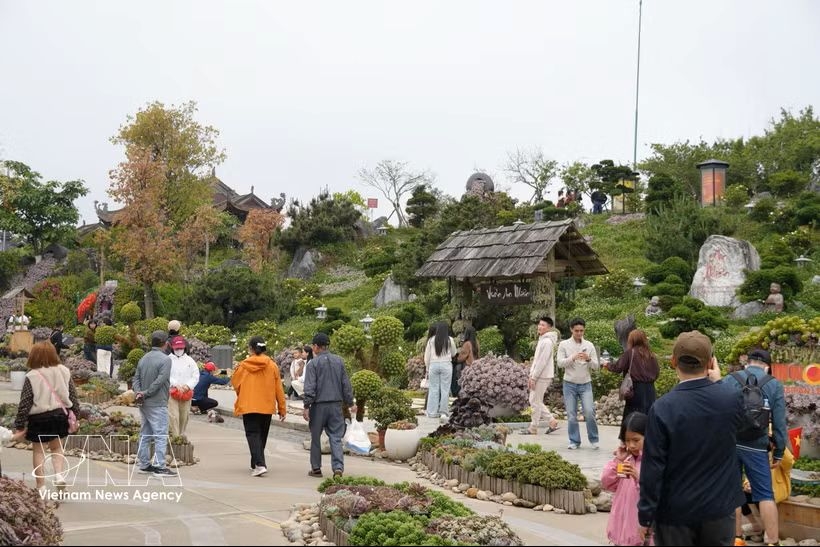
Over recent years, Lao Cai has gained increasing recognition on both domestic and international tourism maps thanks to its distinctive attractions, rich cultural identity and breathtaking natural landscapes. The province is targeting tourism as a spearhead economic sector by 2030, with a focus on upgrading transport infrastructure, expanding tourism facilities and attracting large-scale investment projects.
At the centre of this strategy is Sa Pa, a destination with more than 120 years of tourism history that is rapidly transforming into an international-standard tourism and service hub.
Between 2016 and 2026, Sa Pa recorded remarkable growth. Visitor arrivals surged from nearly 1 million in 2016 to more than 4.3 million in 2025, while tourism revenue climbed to VND19 trillion (US$720 million), 11 times higher than a decade earlier.
The strong growth has been driven by a strategy of turning heritage into economic assets while preserving local cultural values and natural scenery. Major investments in tourism infrastructure have also helped reshape Sa Pa’s image.
One of the most prominent tourism projects is Sun World Fansipan Legend, which has repeatedly received honours from the World Travel Awards, including titles such as the world’s leading cultural tourist attraction and Asia’s leading iconic tourist destination.
Nguyen Anh Vu, Deputy Director of the Fansipan Sa Pa Cable Car Tourism Service Company under Sun World Fansipan Sa Pa, said close coordination with local authorities had enabled the development of symbolic projects such as the Fansipan cable car system, which once held two Guinness World Records and helped place Sa Pa among Asia’s fastest-growing destinations.
Lao Cai aims to welcome around 15 million visitors by 2030, with tourism contributing more than 20% of the province’s GRDP. Sa Pa is expected to remain the core growth pole, supported by a series of major tourism and urban development projects.
Among them is the recently launched EcoSapa ecological urban area project in the O Quy Ho tea hill area. Covering nearly 29.3 hectares with investment exceeding VND2.4 trillion, the project is designed to create a green living space harmonised with the mountainous terrain while preserving the iconic O Long tea hills and local ecosystem.
Alongside Sa Pa, the province is also unlocking tourism potential in remote areas such as Y Ty through improved transport connectivity.
Earlier this year, the Ban Xeo – Den Sang – Y Ty road project and the Y Ty tourism subdivision project under the Sa Pa National Tourism Area were completed, significantly reducing travel time from Lao Cai ward to Y Ty to around two hours.
During the April 30-May 1 holiday this year, Y Ty welcomed nearly 4,000 visitors, with average stays increasing compared to previous years.
To support long-term growth, Lao Cai is implementing around 106 tourism investment projects during 2026-2030. The province is prioritising major transport works, including Sa Pa airport project, regional road connections and upgrades to the Noi Bai–Lao Cai Expressway.
Authorities are also investing in environmentally friendly trekking routes, paragliding sites, off-road racing tracks, parking facilities, scenic stops and standardised public utilities to improve tourism services and expand development space.
With infrastructure and tourism facilities being upgraded simultaneously, Lao Cai is seeking to reinforce its position as one of Vietnam’s most attractive tourist destinations while promoting sustainable growth in the years ahead.
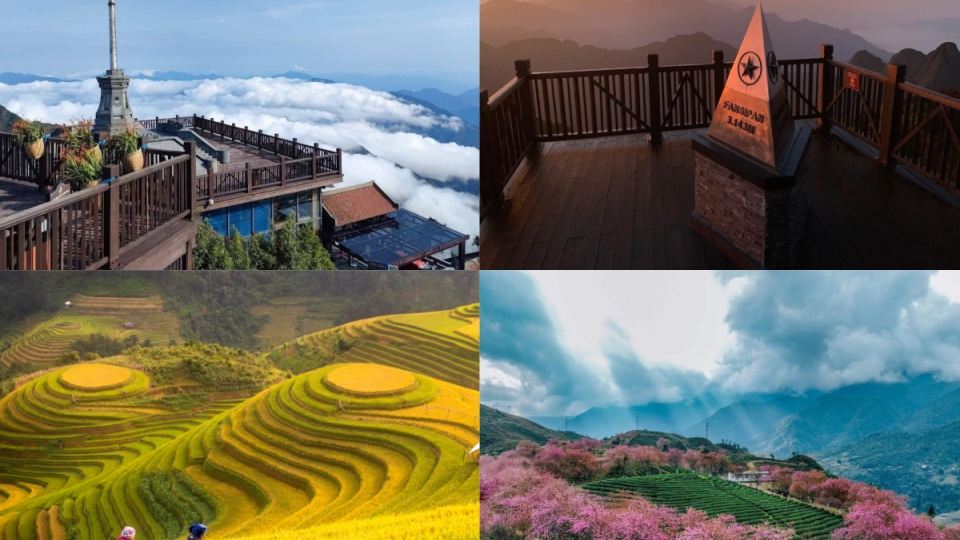
Agoda ranking puts Sapa among Asia’s fastest-growing destinations
VOV.VN - Digital travel platform Agoda has named Sapa the fastest-growing destination in Asia in 2025, amid a surge in international travel interest in the northern mountain town.