Homestay tourism in Vietnam wins over international travelers

VOV.VN - International travelers are increasingly choosing homestays in Vietnam for authentic cultural experiences, local hospitality and high value at affordable cost.
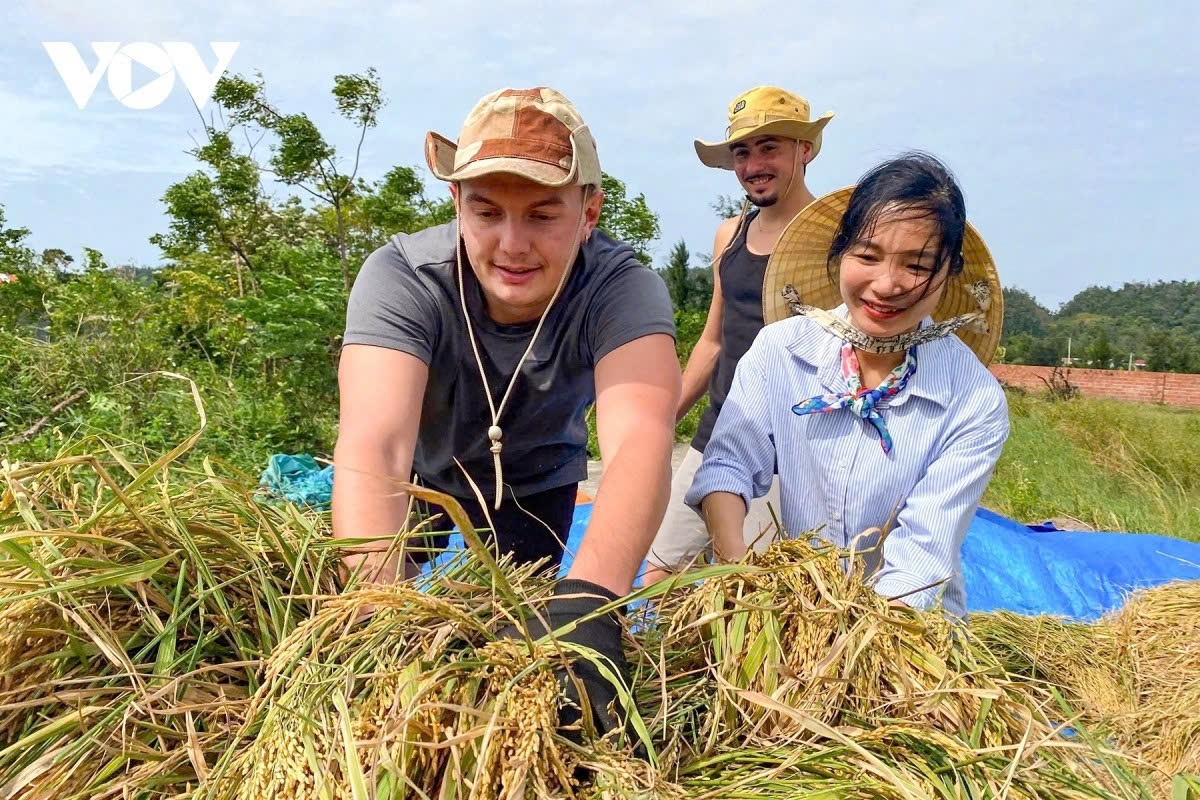
In recent years, homestay tourism in Vietnam has gained growing attention from international travelers. No longer viewed simply as a low-cost accommodation option, homestays are increasingly chosen by visitors seeking deeper cultural immersion and closer interaction with local communities, rather than staying in international-standard hotels or resorts.
The trend reflects a broader shift in global travel, as tourists prioritise authentic experiences, personal connections and sustainable tourism. With its rich cultural diversity and strong community-based lifestyle, Vietnam has become a natural destination for this form of travel, with homestays serving as a key bridge between visitors and local life.
Post-pandemic tourism recovery boosts homestay growth
Vietnam’s tourism industry has rebounded strongly following the COVID-19 pandemic. According to the Vietnam National Authority of Tourism, the country welcomed more than 21 million international visitors in 2025, representing a year-on-year rise of over 20% and surpassing pre-pandemic levels.
This recovery has created new momentum for experience-based tourism models. Data from short-term rental analytics platform AirDNA show that Vietnam currently has approximately 50,000 active homestay listings, including entire homes, private rooms and shared accommodations.
Notably, around 66% of homestay guests are international travelers, coming from markets such as Singapore, the Republic of Korea, Australia, Europe and North America.
The figures indicate that homestays are no longer a niche or domestic-oriented product, but an increasingly internationalized segment of Vietnam’s tourism industry.
Reasons behind its appeal to international travelers
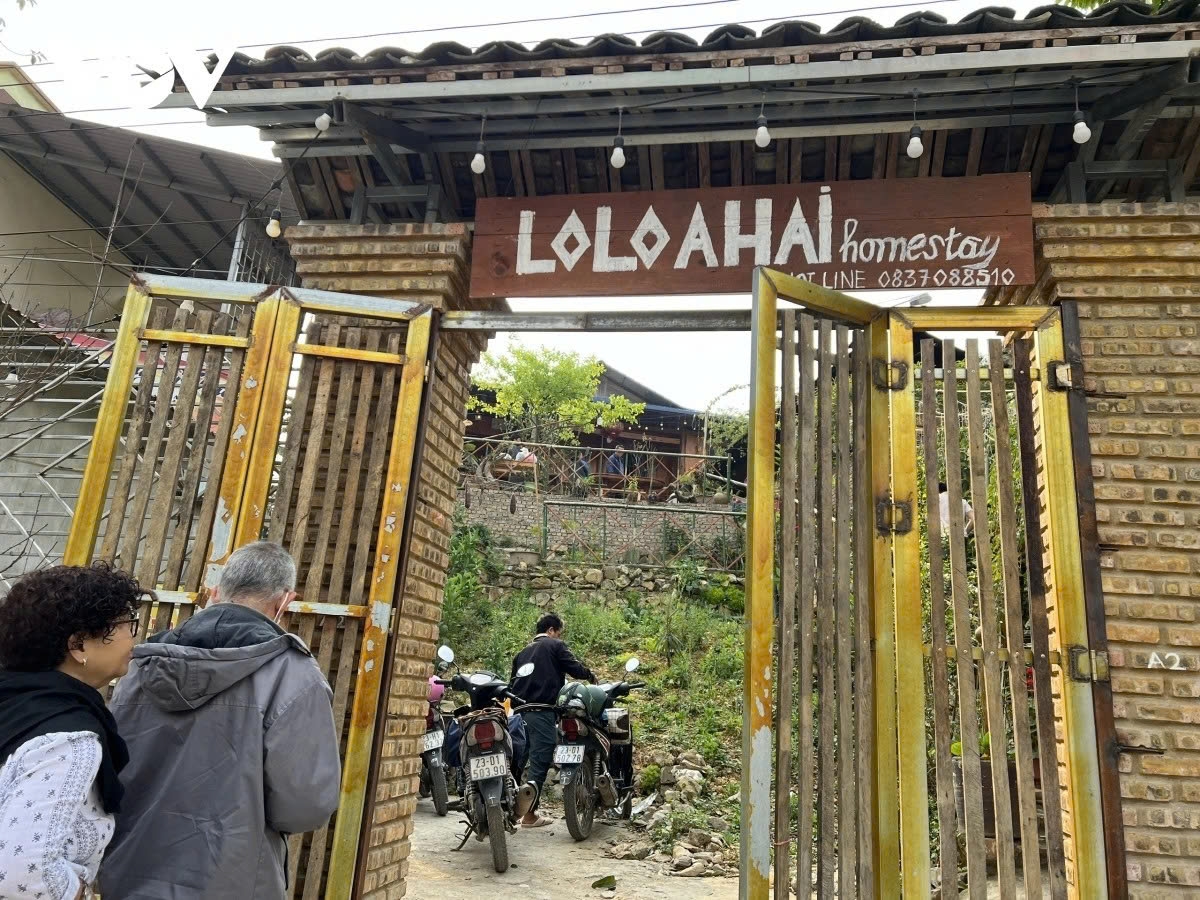
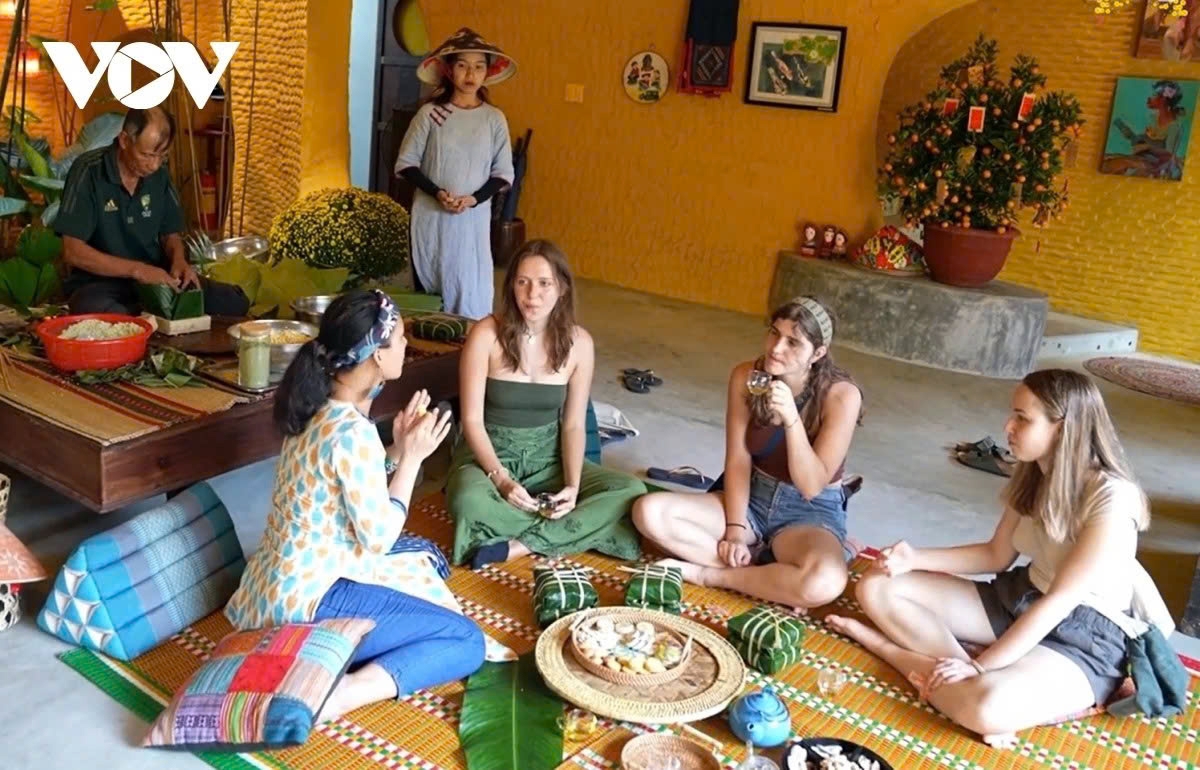
One of the strongest appeals of homestays lies in the opportunity to experience daily life alongside local residents. Staying with host families allows travelers to participate in everyday activities such as cooking traditional meals, farming, fishing or attending community festivals.
Aravindhan, an Indian tourist who stayed at a homestay in the former southernmost province of Ca Mau, said the experience went far beyond accommodation.
“My host guided me around the village, and it was an amazing experience. From breakfast to dinner, the food was memorable, but more importantly, I was able to see how local people live,” he said.
Such experiences offer insights into Vietnamese culture and customs that conventional hotels rarely provide.
Compared with traditional hotels and resorts, homestays in Vietnam are widely regarded as offering strong value for money. Affordable prices, spacious living environments and close proximity to nature make them particularly attractive to long-stay travelers, backpackers and budget-conscious tourists.
Many international visitors describe homestays as delivering “value beyond expectations,” combining accommodation with cultural activities and local engagement at a relatively low cost.
Human connection plays a central role in the appeal of homestay tourism. Vietnam’s reputation for warmth and hospitality is frequently highlighted in travelers’ reviews and testimonials.
A homestay owner in former Meo Vac dítrict, former Ha Giang province (nơ Tuyen Quang province), said his goal is not only to host foreign visitors but also to support the local community and preserve ethnic minority culture.
“When international guests stay with us, they don’t just sleep here. They cook with the family, grow vegetables and learn about H’Mong culture,” he said.
Such interactions transform homestays into platforms for cultural exchange and community-based tourism.
Challenges facing the homestay service
Despite its growing popularity, Vietnam’s homestay service still faces several challenges.
First, service quality is uneven. Unlike hotels, homestays do not follow a standardised rating system, resulting in significant variations in cleanliness, facilities and amenities between properties.
Second, language barriers can limit communication, particularly in rural and mountainous areas where many hosts have limited proficiency in English. This can make it difficult for travelers to express specific needs or fully understand the experiences offered.
Third, infrastructure and accessibility remain concerns. Many homestays are located in remote areas with limited transportation options, unstable internet connectivity and weak mobile signals, which may inconvenience travelers accustomed to constant connectivity.
For many international travelers seeking cultural immersion, these challenges are not necessarily deterrents. Instead, they are often perceived as part of the adventure and authenticity that define homestay travel.
However, tourism experts note that to attract a broader range of visitors, including higher-end and first-time travelers, Vietnam will need to focus on service standardisation, host training in communication skills, improved infrastructure, and greater safety in online booking platforms.
Homestay tourism has become a bright spot in Vietnam’s evolving tourism landscape, drawing international visitors not only for accommodation but for meaningful engagement with local life. The combination of cultural immersion, affordability and genuine hospitality has given Vietnamese homestays a distinct competitive advantage.
With the right policies and investment in sustainable development, homestays are poised to remain a vital component of Vietnam’s tourism strategy as they offer international travelers not just a place to stay, but a way to experience Vietnam as locals do.

Vietnam emerges as rising tourism star for Philippine travelers
VOV.VN - Vietnam is increasingly being seen as an attractive destination for Philippine travelers, with expanded direct air links expected to further boost visitor numbers to what qa.philstar.com has described as a rising tourism star in Southeast Asia.