Chinese destinations attract Vietnamese tourists, expand tourism links

VOV.VN - Yulong Snow Mountain and Lijiang Ancient Town in China’s Yunnan province are attracting growing numbers of Vietnamese tourists while creating more opportunities for tourism cooperation between Vietnam and China.
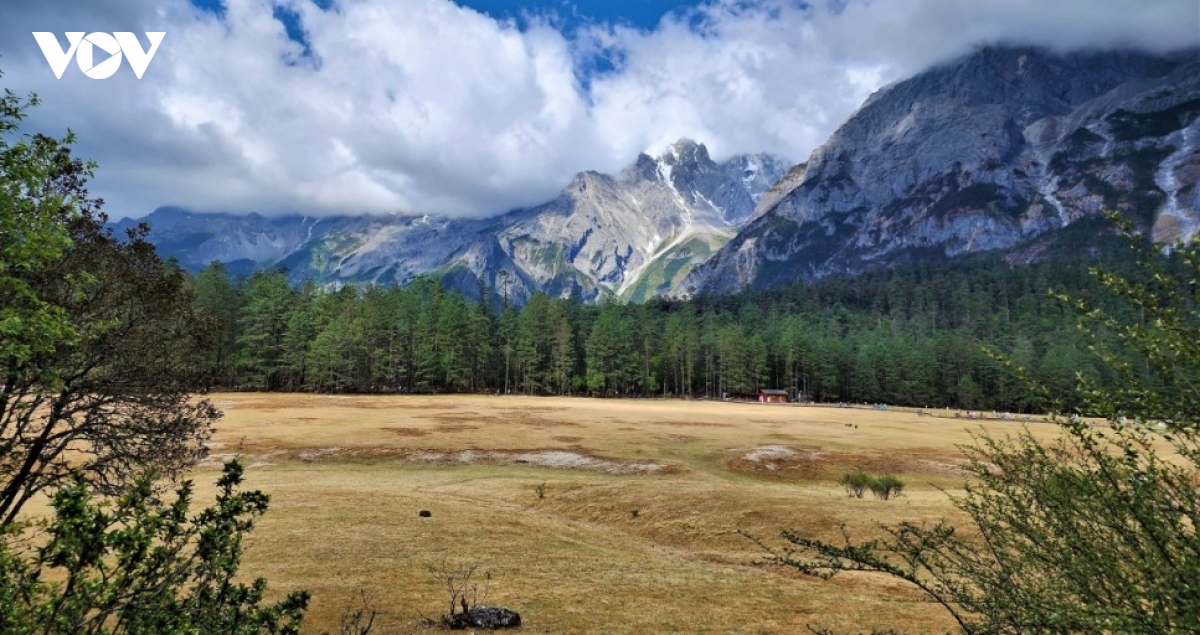
Located in Lijiang city, Yulong Snow Mountain is one of China’s best-known snow-capped mountains, with Shanzidou Peak rising 5,596 meters above sea level and remaining covered in snow throughout the year. Revered by the Naxi ethnic group as a sacred symbol of vitality, strength and community spirit, the mountain is known for its majestic scenery and diverse ecosystems ranging from tropical forests and pine woods to alpine meadows and glaciers.
The scenery at Yulong Snow Mountain changes constantly throughout the day, from bright sunshine and misty clouds to cold mountain winds. During spring and early summer, the area is filled with rhododendrons and wildflowers, attracting visitors interested in sightseeing and photography.
One of the mountain’s best-known attractions is Yunshanping meadow, located at an altitude of 3,205 meters. Regarded by the Naxi people as a sacred place associated with love, the site is especially popular among young visitors. More than 23,000 Vietnamese tourists visited Yunshanping last year, highlighting the destination’s strong appeal among travelers from Vietnam.
Visitors can also explore glaciers, alpine grasslands and pine forests, while the outdoor performance “Impression Lijiang” showcases the cultures of 16 ethnic minority groups living in the area.
Alongside Yulong Snow Mountain, Lijiang Ancient Town remains a cultural and historical destination popular with tourists. The more than 800-year-old town, located at the foot of the mountain, is recognized as one of China’s four most famous ancient towns. Its architecture blends Han, Tibetan and Bai influences, featuring traditional courtyards and historic streets.
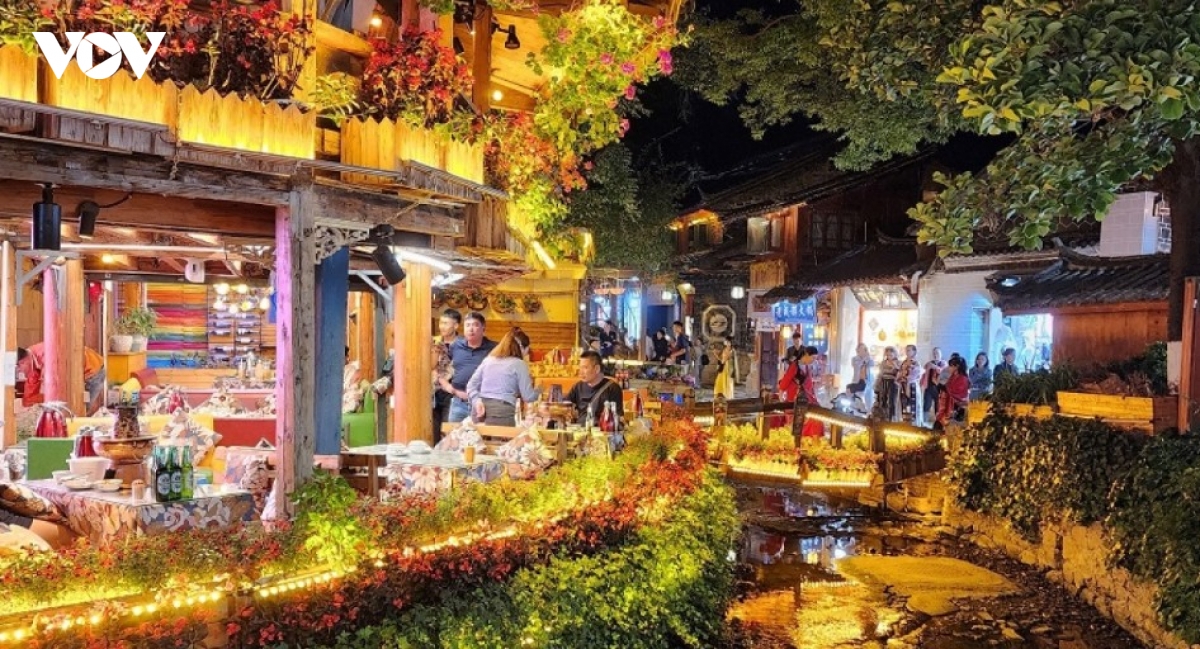
Historically, the town reflected cultural, educational and trade exchanges between Yunnan, Tibet, India and other parts of Asia. Its waterways, water-centered urban layout and Dongba cultural heritage create a distinctive cultural experience for visitors. Vietnamese tourists can explore historical landmarks, sample local cuisine and take part in traditional cultural activities.
Popular activities among Vietnamese tourists at Yulong Snow Mountain and Lijiang Ancient Town include forest walks, wearing ethnic costumes, learning traditional songs and dances, and exploring Dongba pictographic script, an intangible cultural heritage of the Naxi people.
He Chenghong, Marketing Director of the Yulong Snow Mountain Scenic Area Administration, said the destination welcomed growing numbers of international visitors, including tourists from Vietnam. Last year, the site received around 468,000 international visitors, mainly from Southeast Asia as well as Europe and the United States. Vietnamese tourists mostly traveled on package tours with direct flights to Lijiang, making travel and sightseeing more convenient.
Regarding tourism cooperation potential between Vietnam and Yunnan, He said each side offered distinct geographical and cultural advantages that complemented one another. He noted that Vietnam’s World Heritage sites attracted strong interest from visitors from Yunnan, while Yunnan’s ethnic traditions and destinations such as Lijiang Ancient Town appealed to many Vietnamese tourists.
Le Thi Thuy Ngan, a Vietnamese tourist visiting Yulong Snow Mountain for the first time, described the trip as both exciting and moving, particularly seeing snow during the summer and learning about the mountain’s spiritual significance to the Naxi people.
With their majestic natural scenery, rich ethnic cultures and diverse tourism experiences, Yulong Snow Mountain and Lijiang Ancient Town are becoming increasingly attractive destinations for Vietnamese tourists while contributing to stronger tourism and cultural exchanges between Vietnam and Yunnan province.
Vietnam, China seek stronger tourism links through cultural exchange
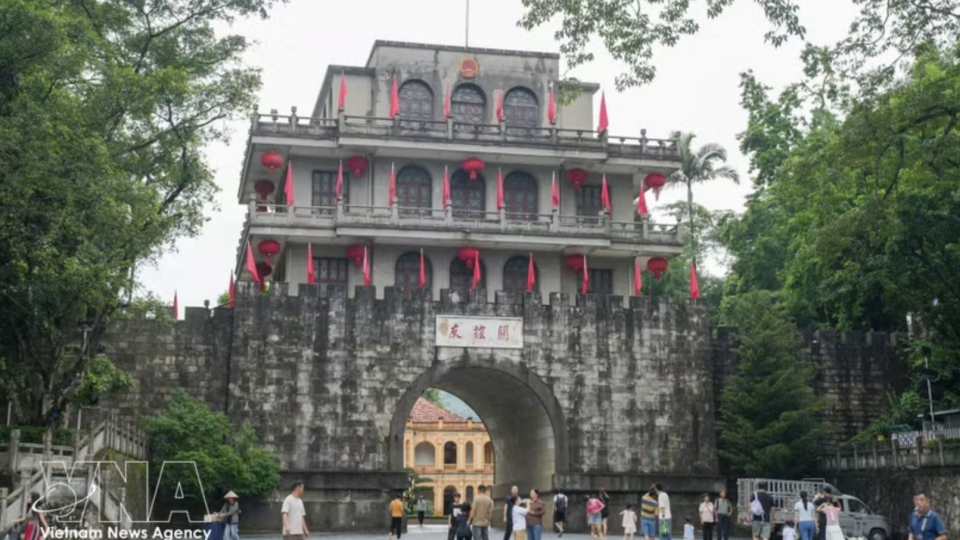
A cultural and tourism promotion programme featuring China’s Guangxi province took place in Hanoi on May 14, aiming to foster tourism cooperation and people-to-people exchanges between Vietnam and China.

Quang Ninh intensifies cruise tourism promotion in China
A delegation of the Quang Ninh Department of Culture, Sports and Tourism held talks with representatives of cruise operator Adora on April 13 to strengthen cooperation and boost cruise tourism promotion in China.