AI, digital transformation seen as drivers of sustainable Mekong tourism

VOV.VN - Digital transformation and artificial intelligence (AI) could help the Lower Mekong region improve tourism services, diversify visitor experiences and strengthen its competitiveness, but their use must also protect cultural heritage and deliver tangible benefits to local communities, experts have said.
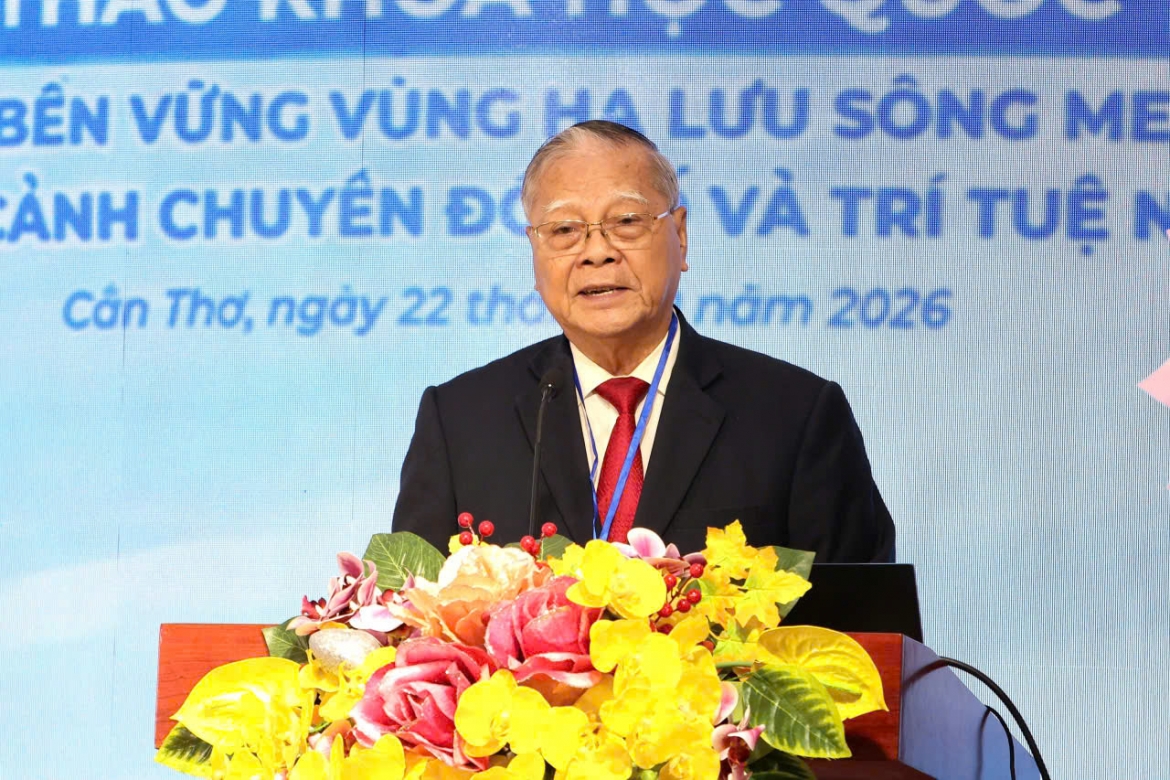
These issues took centre stage at an international conference on sustainable tourism in the Lower Mekong region in the context of digital transformation and AI. Organised by Nam Can Tho University in collaboration with domestic and international universities on October 22, the event brought together more than 200 delegates, while nearly 100 papers in Vietnamese and English were submitted on digital transformation, AI applications in tourism and sustainable tourism development.
In his opening remarks, Dr. Nguyen Van Quang, rector of Nam Can Tho University, described the Mekong River as more than a waterway, highlighting its role as an ecological, cultural and livelihood space for tens of millions of people across the river basin, including in Thailand, Laos, Cambodia and Vietnam.
Communities across the region, however, face mounting challenges from climate change, rising sea levels, saltwater intrusion and declining natural resources. Tourism can create livelihoods and promote cultural exchange, but its development must balance economic growth with environmental protection, cultural preservation and improvements in local people’s quality of life.
Dr. Quang noted that digital technologies and AI are transforming tourism at every stage, from how travellers search for information and choose destinations to how businesses manage operations and deliver services. Their value, he stressed, should ultimately be measured by how well they serve people, safeguard cultural values and benefit local communities.
Assoc. Prof. Dr. Doan Van Tin of Manchester Metropolitan University in the United Kingdom said indigenous and local knowledge provided a foundation for organising and managing community-based tourism.
Digitising heritage and using technology to interpret local cultures should involve residents and remain under their oversight, he said. Communities must retain the right to decide which cultural values are shared, how they are used and who can access them.
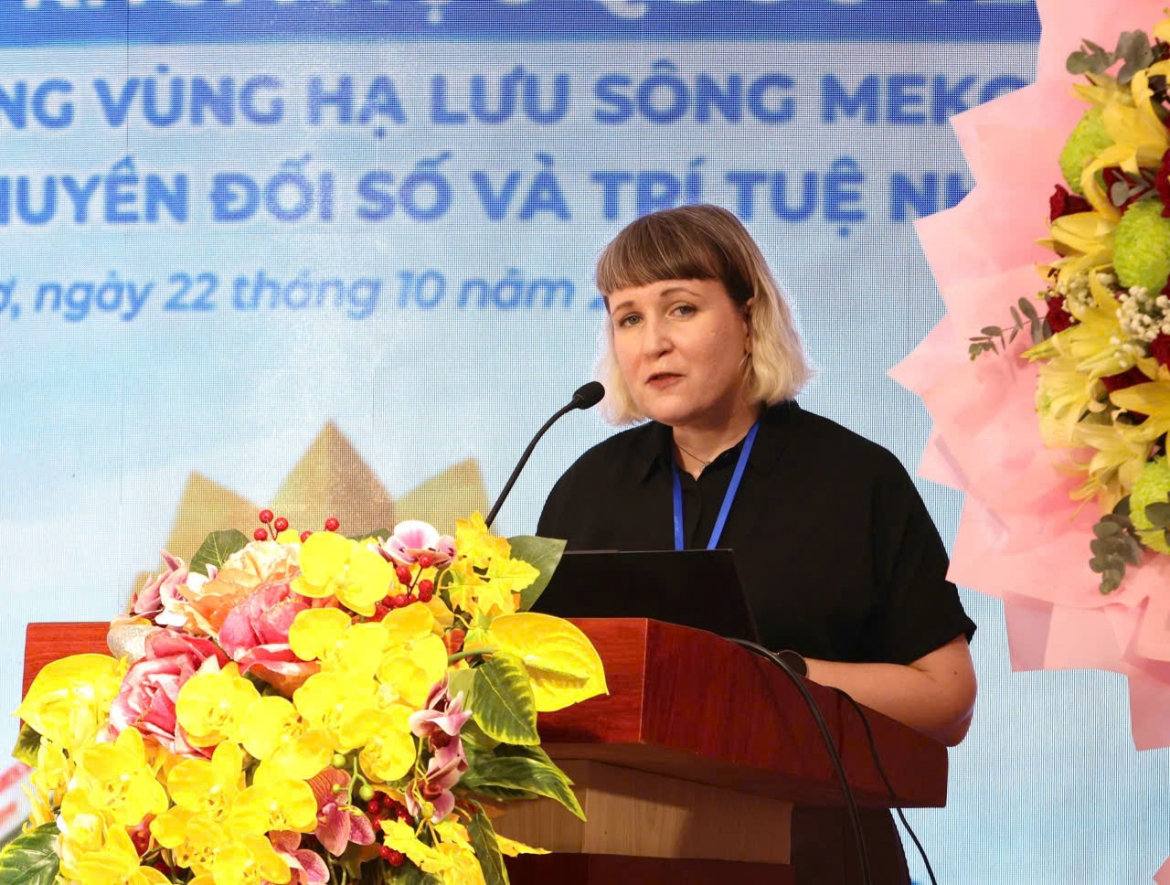
Taking the floor, Assoc. Prof. Dr. Maren Viol of the British University Vietnam proposed more inclusive experiential tourism models that take account of visitors’ diverse health needs, religious beliefs, interests and accessibility requirements. Rather than imposing a single model, she said, tourism providers should enable visitors to engage with local cultures in different ways.
At the conference, delegates discussed a range of issues, including sustainable tourism development and green growth in the Lower Mekong region; the application of digital transformation and AI in tourism management, business operations and promotion; smart tourism and destination management; and international cooperation for sustainable development.
Delegates also called for stronger collaboration among universities, research institutes and businesses in Vietnam and abroad, with an emphasis on practical, high-impact solutions to advance smart, green and sustainable tourism across the Lower Mekong region.

Forum to develop unified tourism strategy for Greater Mekong Sub-region
VOV.VN - The Mekong Tourism Forum (MTF) 2025 will take place from June 25 to 27 in Laos’ Luang Prabang, a UNESCO - recognised World Heritage Site, aiming to seek a unified tourism strategy for the Greater Mekong Sub-region (GMS).