AI adoption seen as key to Vietnam’s sustainable tourism growth

VOV.VN - Vietnam’s tourism industry is accelerating the adoption of artificial intelligence (AI) as a strategic driver for sustainable growth, as the industry looks to build on its strong post-pandemic recovery.
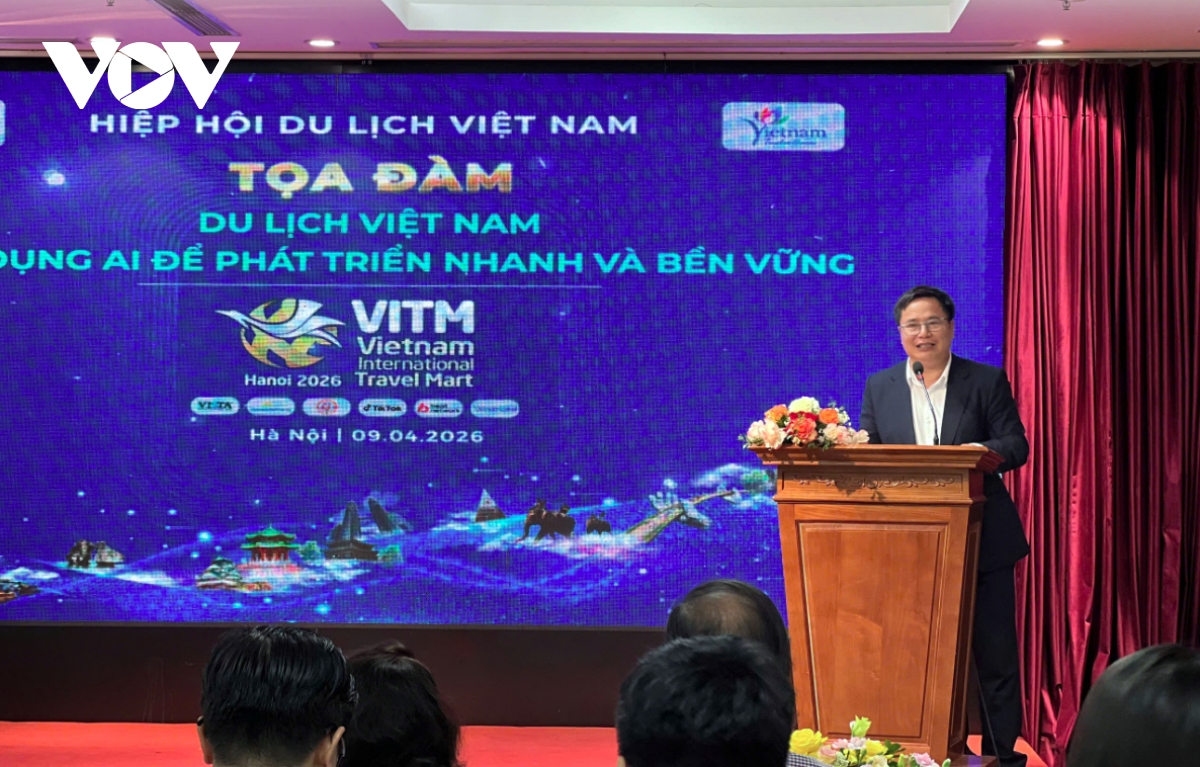
The message was highlighted at a policy dialogue held on April 9 as part of the Vietnam International Travel Mart (VITM) Hanoi 2026, drawing policymakers, experts and businesses from the tourism and technology industries.
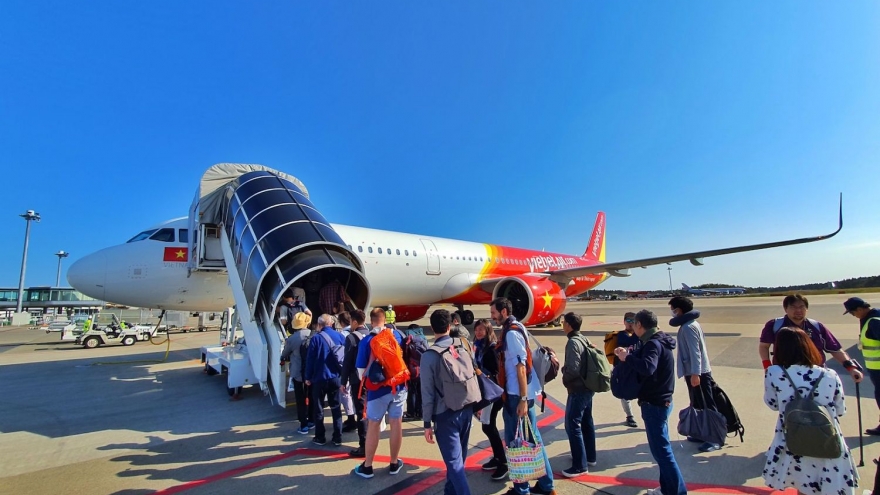
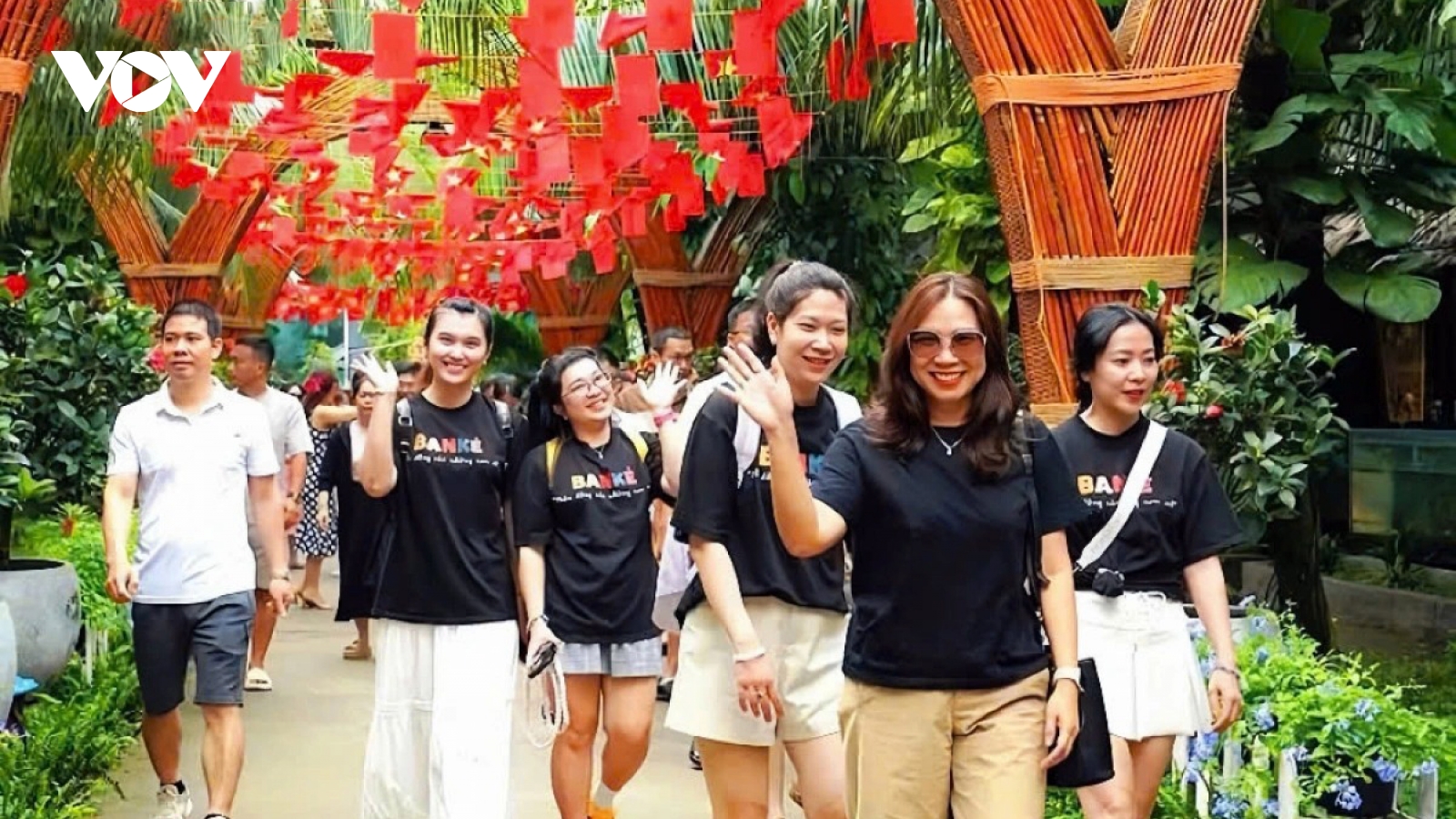
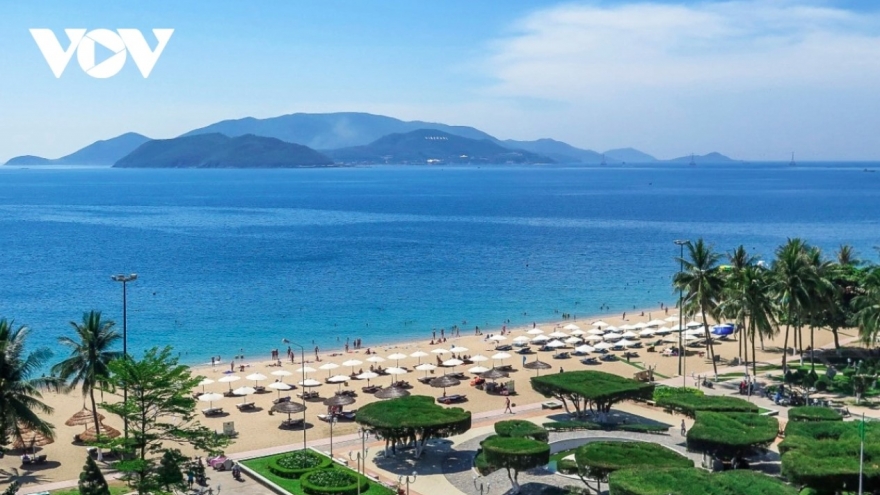
Vietnam’s tourism industry recorded a robust rebound in 2025, welcoming over 21 million international visitors and serving around 137 million domestic travelers, with total revenue reaching approximately VND1 quadrillion (about US$40 billion).
Against this backdrop, digital transformation and AI are increasingly viewed as essential tools to enhance competitiveness, optimise operations and better meet evolving traveler demands.
According to Pham Van Thuy, deputy head of the Vietnam National Authority of Tourism, AI enables tourism operators to personalise services by analysing large datasets, helping better understand visitor behavior and preferences.
“AI is no longer an option but a necessity. It allows us to tailor travel experiences, improve customer satisfaction and increase both spending and length of stay,” he said.
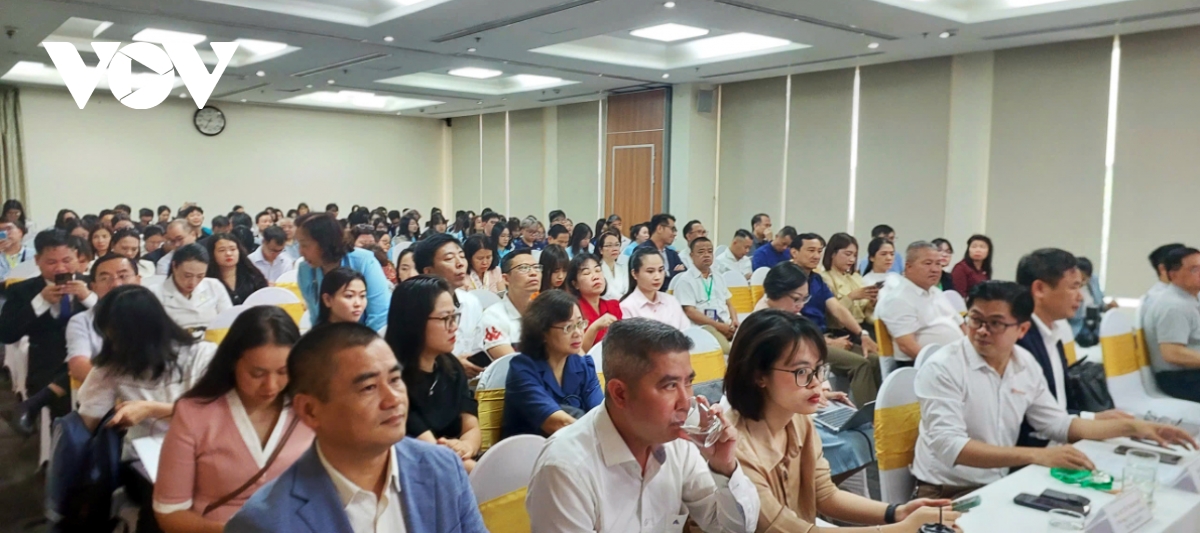
Beyond customer experience, AI is also expected to support destination management, regulate tourist flows and ease pressure on infrastructure, contributing to more sustainable and responsible tourism development.
However, experts noted that the industry still faces key challenges, including fragmented data systems, limited investment resources and a shortage of digitally skilled workers.
Luong Thanh Nam, CEO of Vietsolutions, a local hospitality solutions firm, said many Vietnamese tourism businesses, mostly small and medium-sized enterprises, struggle with how to effectively implement technology despite recogniding its importance.
He emphasised the need for companies to assess their readiness in terms of human resources, technological infrastructure and investment capacity before adopting suitable digital strategies.
Experts agreed that unlocking AI’s full potential would require stronger coordination between the government, businesses and stakeholders, alongside improved policy frameworks, workforce training and the development of an integrated smart tourism ecosystem.
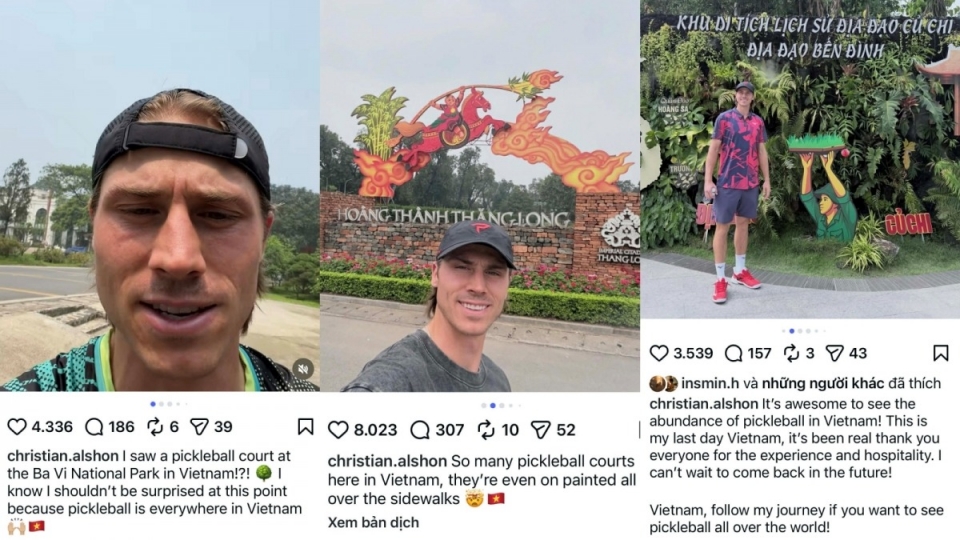
Vietnam travel experience impresses one of the world’s top pickleball players
VOV.VN - Christian Alshon, one of the world's top pickleball player, was excited by his travel experiences and the development of pickleball during his visit to Vietnam for the PPA Asia 1000- Hanoi Cup 2026.