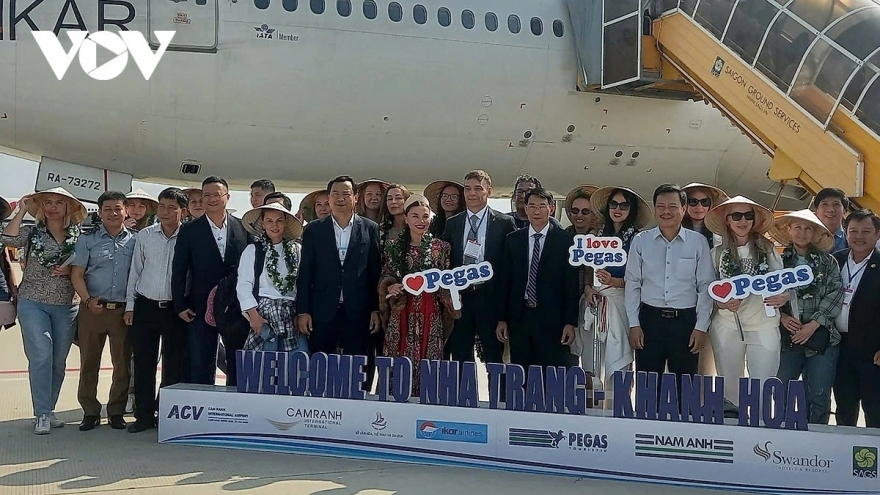
Administrative expansion unlocks new momentum for tourism development

The nationwide merging and restructuring of administrative units is reshaping the development landscape, expanding geographic space and resource capacity for localities, with tourism emerging as a key growth driver by harnessing integrated natural and cultural assets.
Expanding geography, deepening cultural value
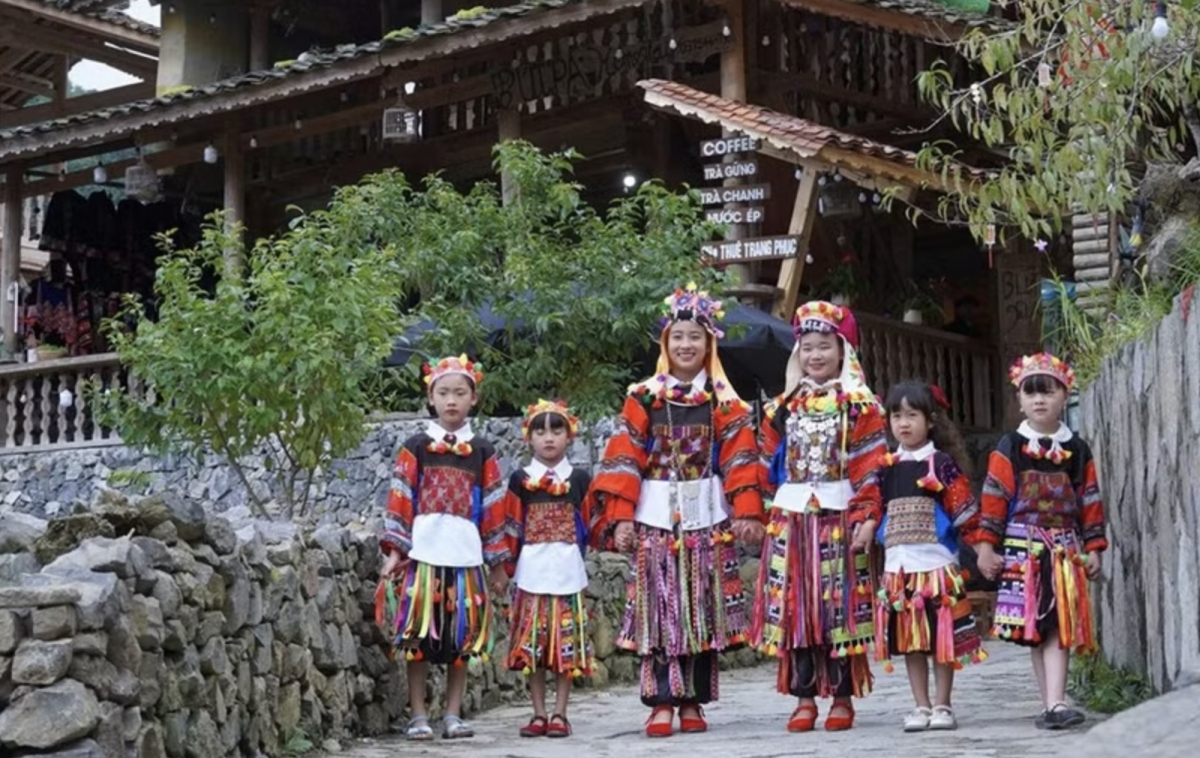
Following the merger of Ha Giang and Tuyen Quang, the newly formed Tuyen Quang province has evolved into a fundamentally reconfigured tourism space. Previously, Tuyen Quang was known for its revolutionary heritage and the Na Hang–Lam Binh ecological area, while Ha Giang stood out for its ethnic cultural diversity and iconic landscapes such as the Dong Van Karst Plateau and Hoang Su Phi terraced rice field areas.
Today, these assets are integrated into a unified tourism ecosystem, creating a multi-layered destination that combines cultural and historical depth with striking natural scenery. This integration enhances visitor appeal and enables more diverse, connected travel experiences.
Nguyen Thi Hoai, Deputy Director of the Department of Culture, Sports and Tourism of Tuyen Quang, said the expansion of administrative boundaries has opened up new development space for the province, with key tourism products including cultural-historical tourism, ethnic cultural experiences, community-based tourism linked to scenic sites, spiritual tourism, and other distinctive experiential offerings.
The province is restructuring its tourism development around culture as a central thread, linking sites such as the Tan Trao special national relic area, Na Hang–Lam Binh ecological area, the Dong Van Karst Plateau and highland community-based tourism villages into a cohesive experience network. This approach not only extends visitor stays but also strengthens destination branding.
A similar transformation is taking place in Gia Lai province, following its merger with Binh Dinh. The newly expanded province now features a diverse resource structure stretching from coastline to highlands, combining forests, seas and rich cultural traditions.
The Central Highlands, home to the UNESCO-recognised Central Highlands Gong Culture Space, forms the cultural core, while coastal and midland areas offer renowned attractions such as Ky Co, Eo Gio and Hon Kho, alongside Cham towers, traditional martial arts and folk performance arts. This blend of highland and coastal cultures creates a distinctive and multi-layered tourism identity, an important competitive advantage for Gia Lai.
Despite expanded development space, both localities still face challenges. In Tuyen Quang, infrastructure connecting key tourism sites is still under development, while essential services, from transport to telecommunications, require further upgrades. Human resources also pose a constraint, as many tourism workers are locally based but lack formal training, highlighting the need for improved skills and service standards.
Strengthening regional connectivity for tourism development
Experts said regional linkage is an inevitable trend in tourism development, helping connect destinations, diversify unique products and enhance competitiveness. The model also helps reduce duplication while unlocking each locality’s strengths.
In this new structure, major urban centres such as Hanoi, Ho Chi Minh City and Da Nang play a crucial role.
According to Dang Huong Giang, Director of the Hanoi Department of Tourism, with well-developed travel, aviation and hospitality sectors, the capital city acts as a hub that connect destinations, build integrated tour routes and encourage longer stays and higher spending. This is seen as a concrete step toward promoting more structured and effective regional linkages.
Cooperation potential between Hanoi and Gia Lai, for example, is highly complementary. While Hanoi offers a large customer base, advanced tourism services and experience in hosting major events, Gia Lai provides unique eco-tourism and highland cultural experiences. Strengthening links, from air routes to market sharing and business cooperation, could help diversify tourism products and expand regional networks across the Central Highlands and south-central coast, thereby adding greater value to local tourism products and delivering more diverse experiences for visitors.
Tourism, as a multi-sector economic driver, is increasingly serving as a bridge between heritage preservation and economic development, as well as between localities and regional integration. With this direction, the sector is expected to contribute significantly to Vietnam’s ambitious two-digit GDP growth target, while promoting green, digital and sustainable economic transformation.
Beyond spotlight: Vietnam tourism builds lasting value
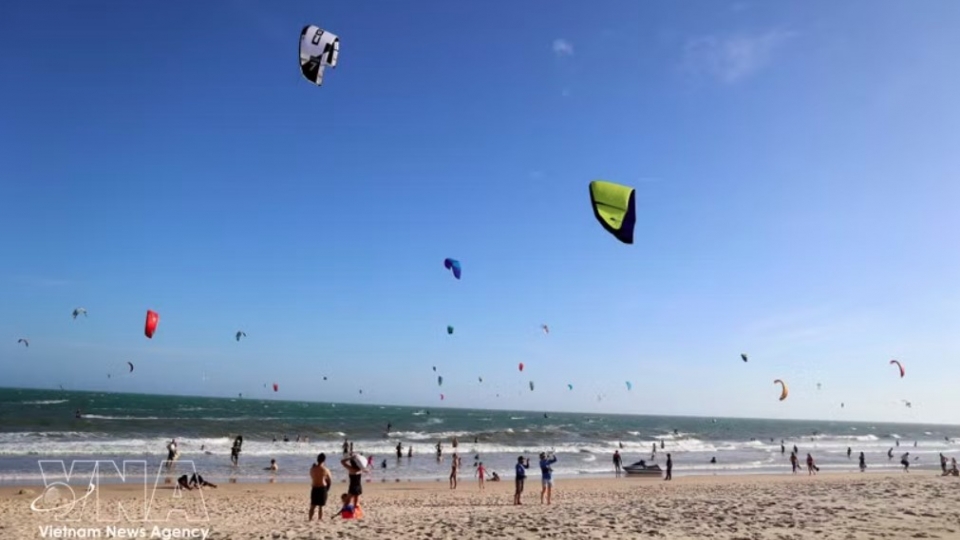
The recognition of Mui Ne among Booking.com’s top global trending destinations for 2026, alongside Bilbao (Spain), Barranquilla (Colombia), Philadelphia (the US) and Guangzhou (China), underscores a shift in Vietnam’s tourism toward greater distinctiveness and depth.