Tag: world-bank
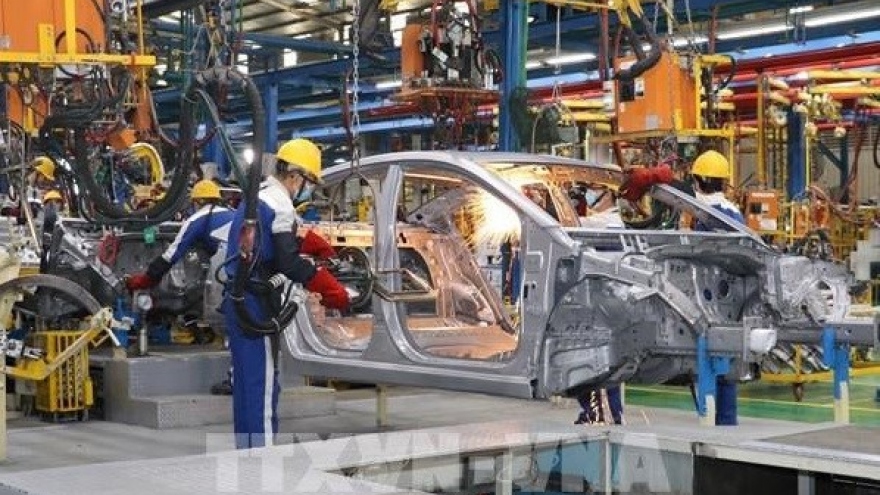
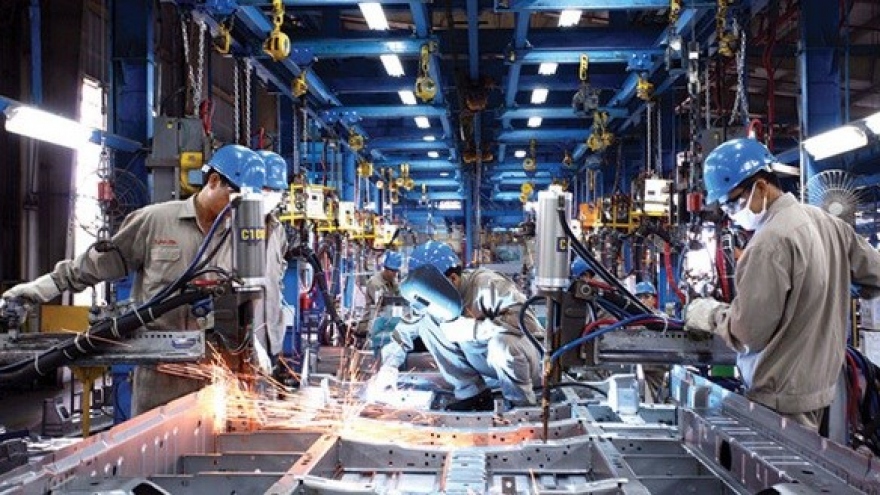
Vietnam’s economic growth counts on high-tech FDI
Vietnam’s economic growth has been accelerating in 2022, with experts considering high-tech foreign investments as a driver.
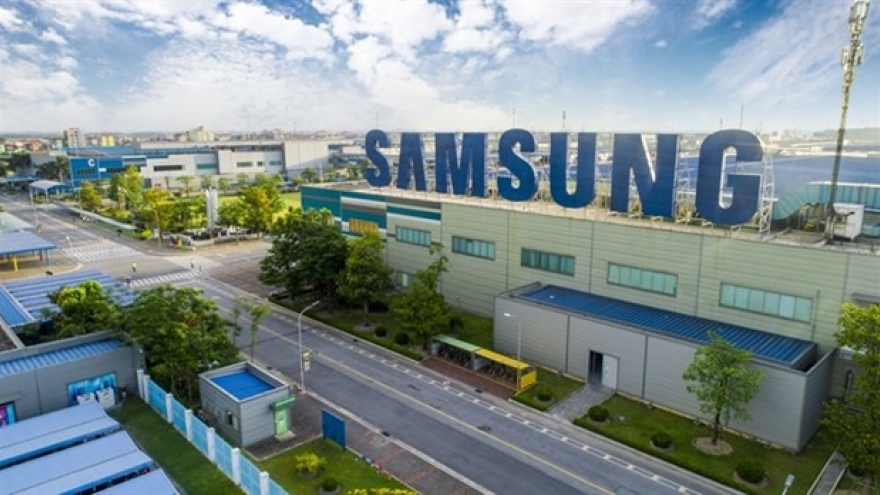
High-tech FDI drives Vietnam’s economic evolution
High-tech foreign investments will continue to propel Vietnam’s economic growth for years to come, Michael Kokalari, chief economist at investment fund VinaCapital, has said.
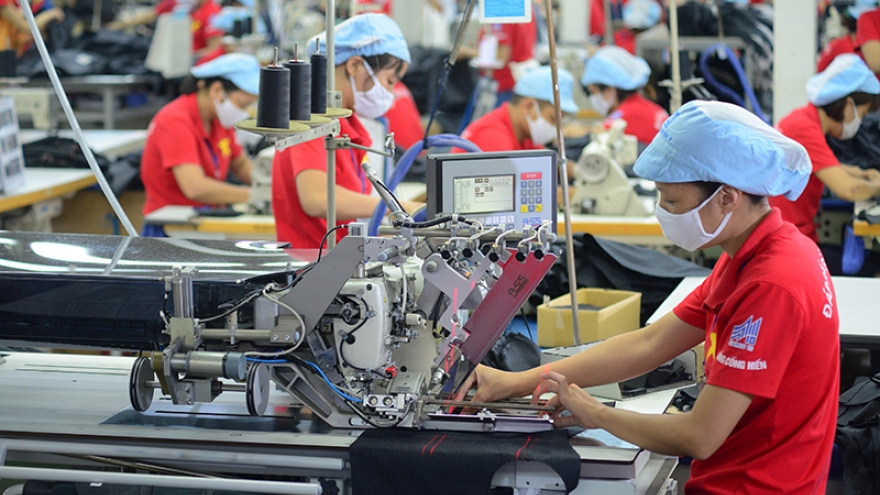
Vietnamese economy continues recovery amid economic uncertainties
VOV.VN - Vietnam’s economic recovery has continued despite heightened economic uncertainties in relation to higher global inflation coupled with weakened economic growth in main trade partners, according to the September edition of the World Bank (WB)’s monthly Vietnam Macro Monitoring.
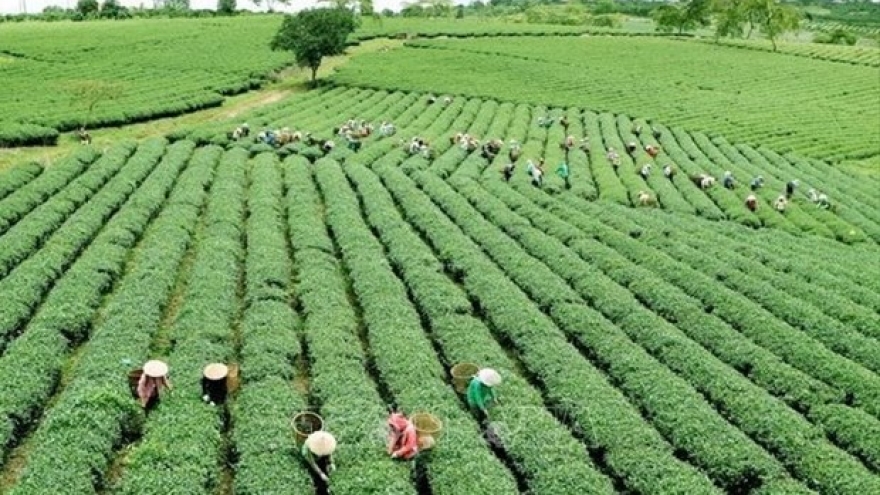
Green agriculture: Vietnam’s efforts to reduce carbon footprint
Businesses, especially start-ups, are focusing more on green agriculture, and the model has produced positive results and feedback from the community.
NA Vice Chairman works with WB delegation
Vice National Assembly Chairman Nguyen Duc Hai had a working session in Hanoi on August 16 with a delegation from the World Bank (WB) led by Danny Leipziger, Managing Director of the Growth Dialogue.
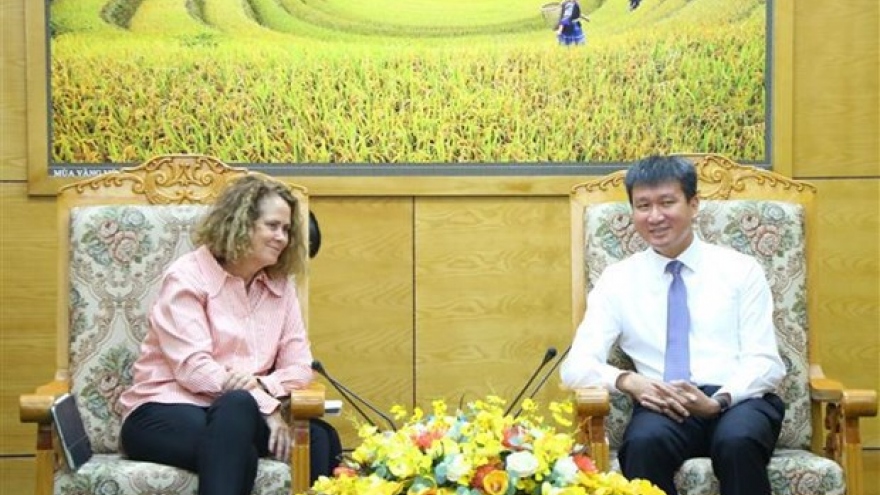
Yen Bai deploys 21 World Bank-funded projects
The northern mountainous province of Yen Bai has received and implemented 21 programmes and projects funded by the World Bank (WB) with total investment of VND4.67 trillion (US$199.65 million) since 2000, according to a local official.
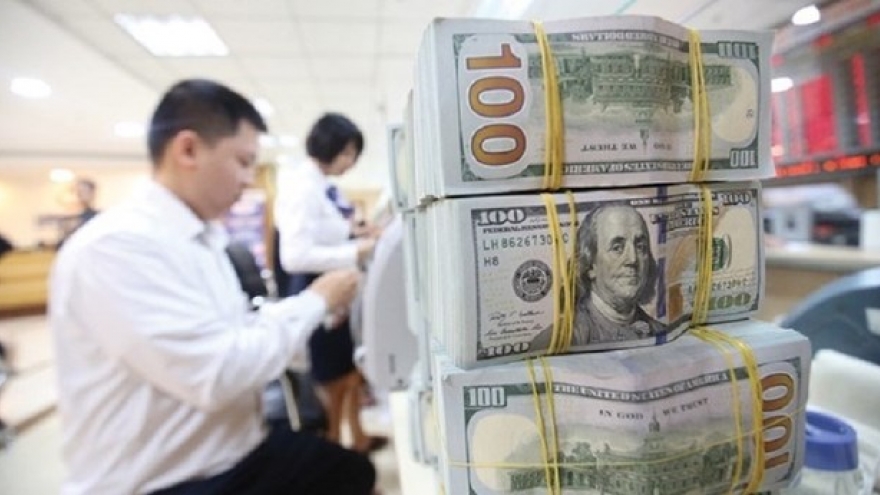
Remittances to HCM City drop 13% in H1
Remittances to Ho Chi Minh City totalled US$3.16 billion in the first half of 2022, down 13% from the same period last year, according to the State Bank of Vietnam (SBV) branch in the southern city.
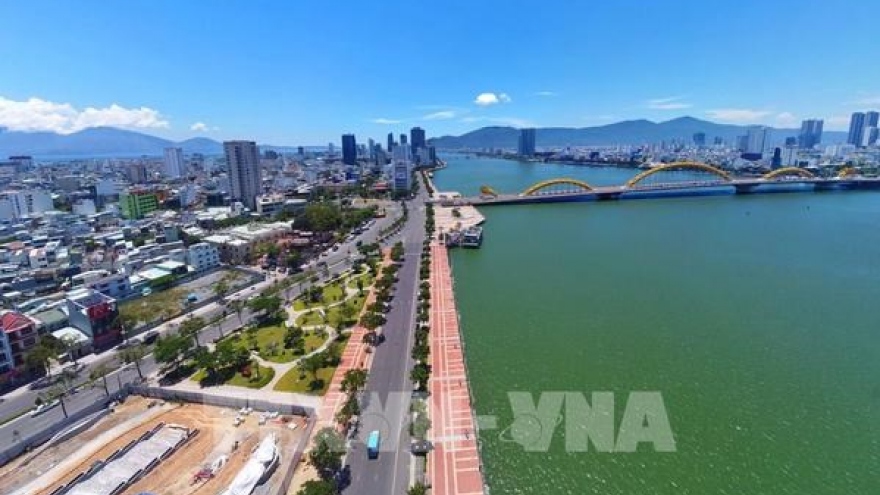
Int’l opinions gathered for draft 10-year national master planning
The Ministry of Planning and Investment and the World Bank (WB) in Vietnam jointly held a conference in Hanoi on July 26 to gather opinions from international organisations and consultants on the draft national master planning for the 2021-2030 period with a vision to 2050.
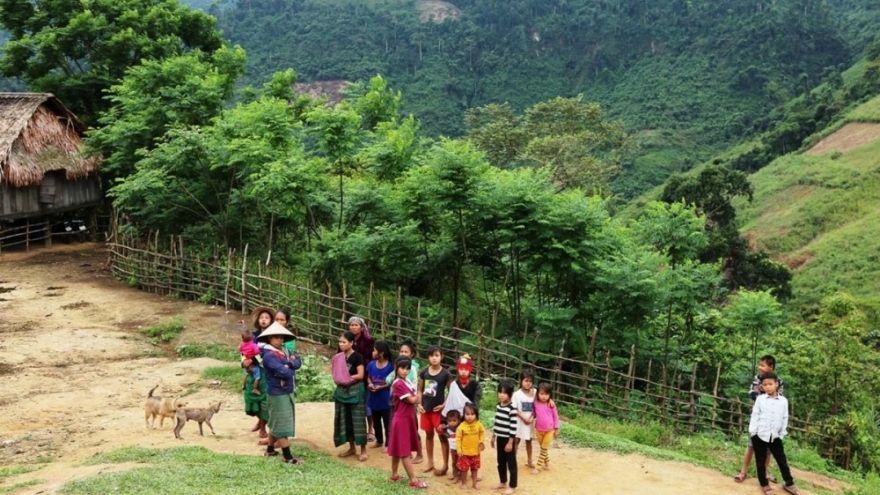
WB, Japan support vulnerable groups' access to legal services in Vietnam
VOV.VN - The World Bank and the State Bank of Vietnam have signed an agreement that will allow a US$2.5 million grant from the Japan Social Development Fund to finance a project that will strengthen the delivery of legal aid services to vulnerable groups in the northern part of Vietnam.
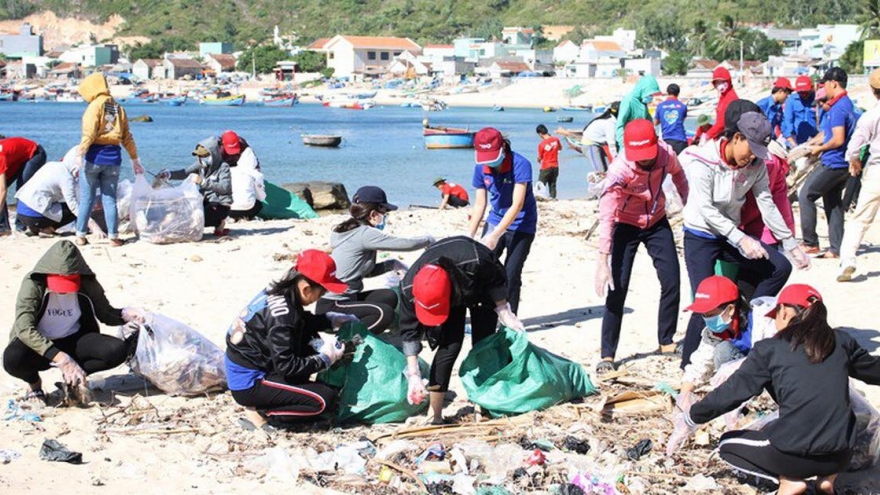
A roadmap to stop single-use plastic pollution in Vietnam
VOV.VN - The majority of plastics polluting Vietnam’s waterways are single-use, low-value items such as plastic bags, food containers, and straws, according to a World Bank study launched on July 25.