
Tag: JLL

Investments are flowing into proptech
As a growing number of companies in the real estate industry are embracing technology to promote their sales since the pandemic, investments are flowing into proptech start-ups to capture the opportunity.
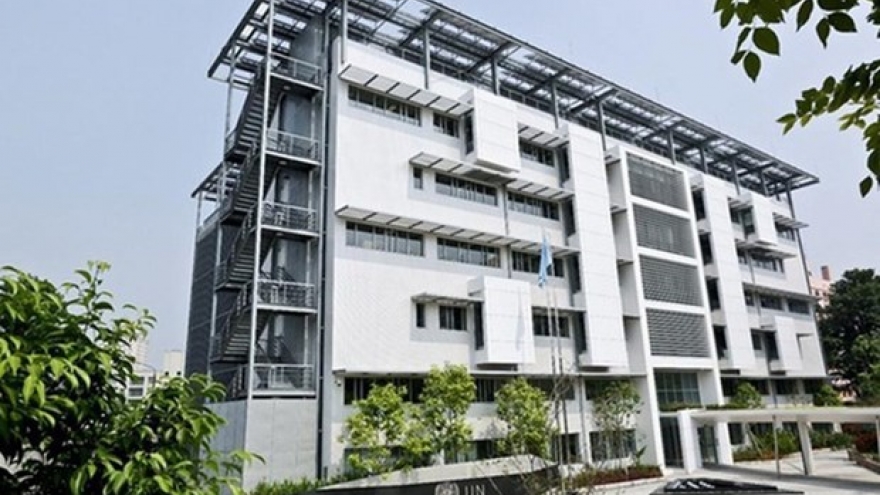
Trend of sustainability remains driver of real estate industry
The trend of sustainability will continue to be a driver of Vietnam’s real estate industry, heard a workshop on April 7.
.jpg)
Foreign firms keen to seek space for flagship stores in HCM City
VOV.VN - Despite the negative impact of COVID-19, several major retail groups have quietly brought in new international brands to Vietnam this year, with priority being given to large-scale stores situated in prime locations in the centre of Ho Chi Minh City.
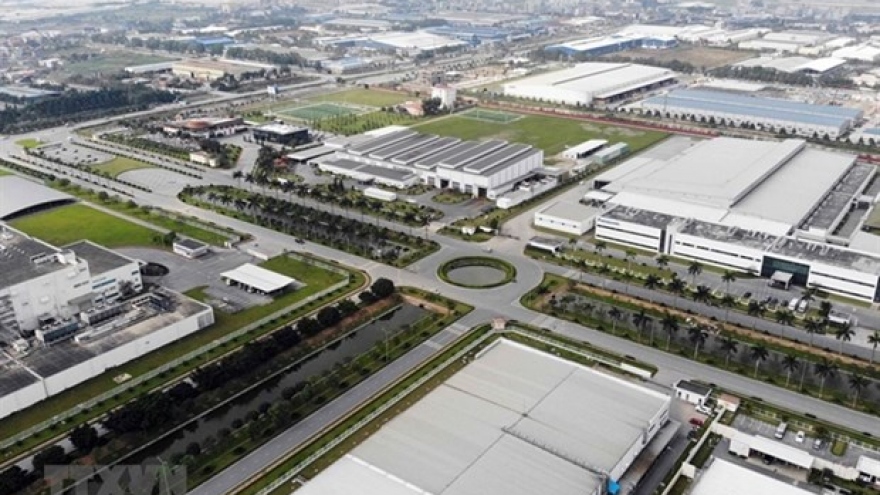
Strong supply keeps pouring into the industrial market: JLL
The supply of industrial property in the south is expected to rise further in the next five years to capitalise on the increasing demand in the region, and further strengthen its leading position in terms of supply, according to JLL Vietnam.

Hybrid model, the new rising trend in office market
A hybrid working model comprising both remote and office-based work is a trend that many companies will embrace since working methods have changed globally after the pandemic broke out, including in Vietnam, experts have predicted.
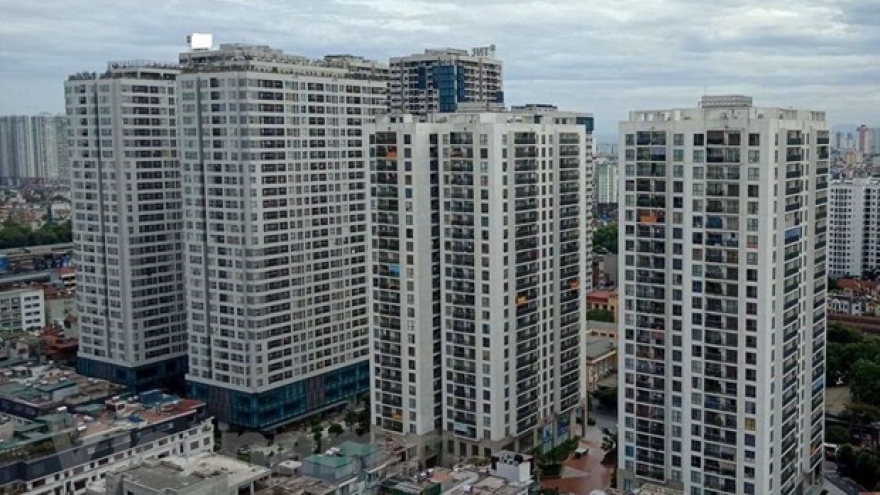
Five trends identified for real estate market in 2021
While 2020 is believed to have changed the real estate industry, trends in the sector this year are forecast to sustain or be aligned with demand in the market.

Demand for cold storage grows with e-commerce
Cold storage might soon become a rising star in the logistic sectors, property market researcher Jones Lang LaSalle (JLL) Vietnam has said.
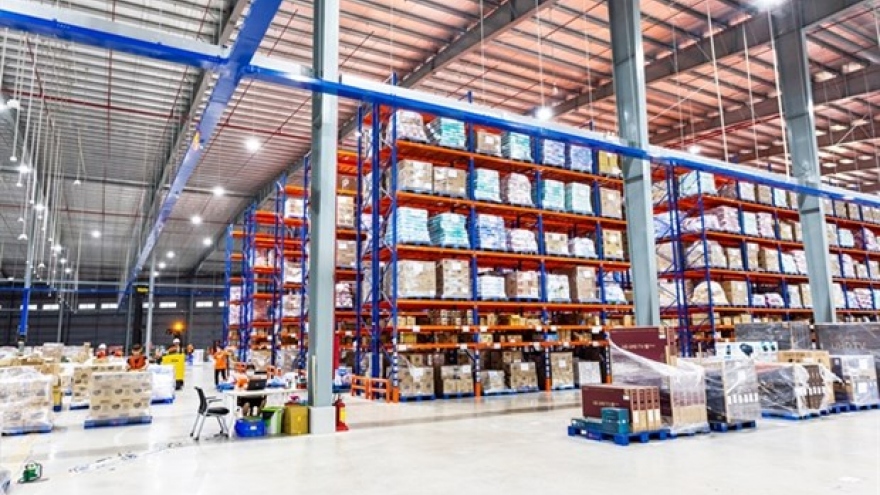
E-commerce industry seeks to leverage logistics growth
Flexible warehousing models that can help businesses optimise their storage are required amid the development of e-commerce, experts have suggested.
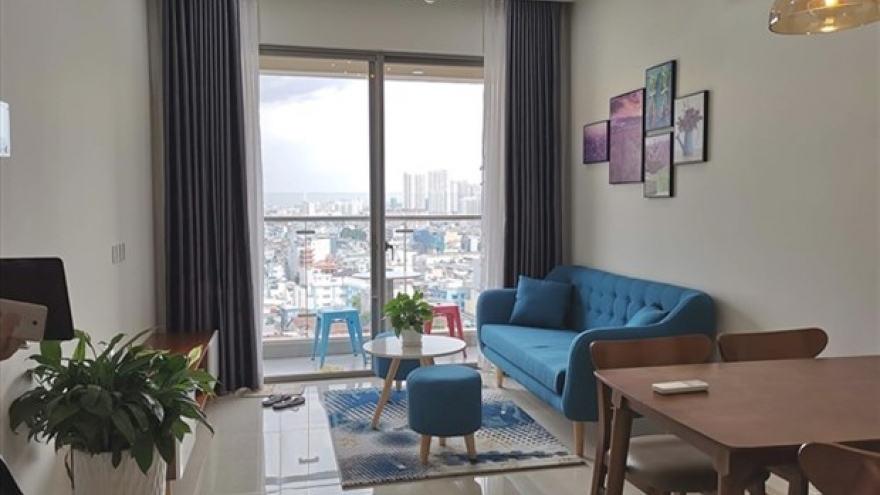
Housing prices keep rising in HCM City on lack of supply
The prices of properties with land in Ho Chi Minh City increased by 15% in the third quarter from the same period of last year due to lack of new supply, according to a report by property consultancy JLL.
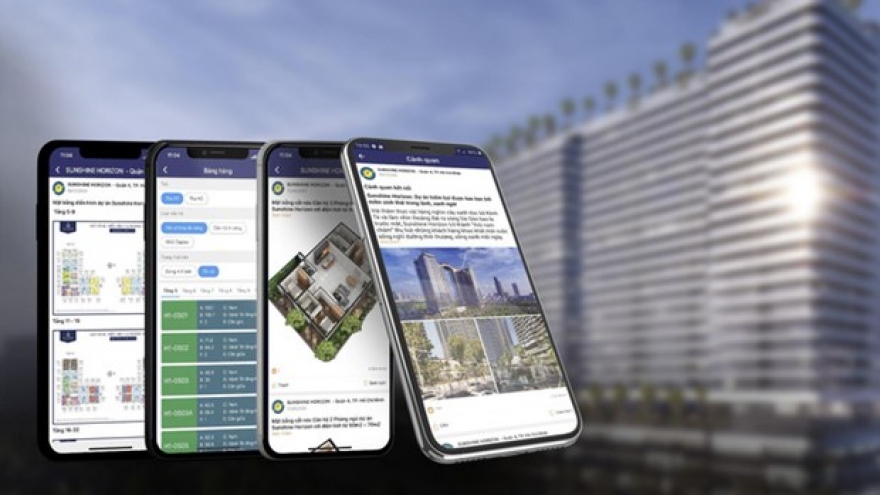
Realty market embraces digital technology
More and more realty firms are using digital platforms to sell their products, driven by the Government's encouragement to develop local digital technology firms amid the COVID-19 pandemic.