
Tag: interest-rate
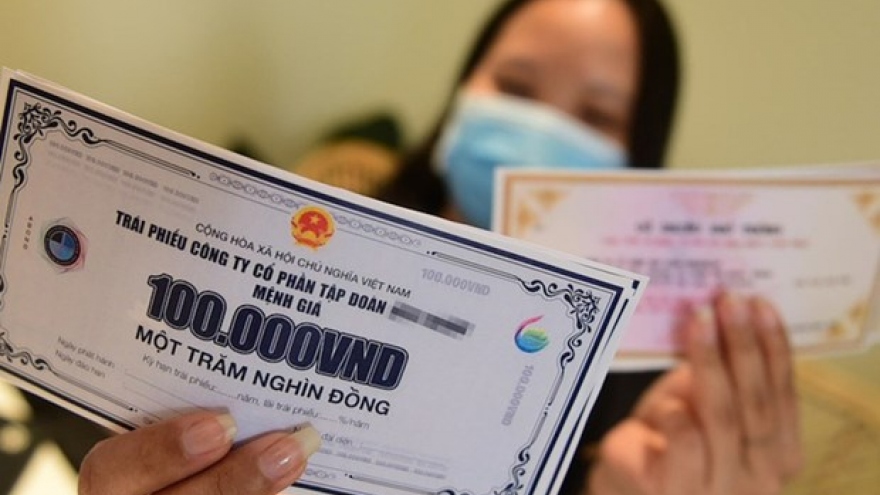
Buybacks of pre-maturity corporate bonds increase by 5.8% in 2023
Vietnam's corporate bonds worth VND230.2 trillion (nearly US$9.5 billion) had been redeemed before maturity by December 25, an increase of 5.8% compared to the figure in 2022, according to the Ministry of Finance.

Foreign investments in property market expected to soar: experts
Foreign investors are expected to plough large amounts of money into the Vietnamese property market in 2024-26.
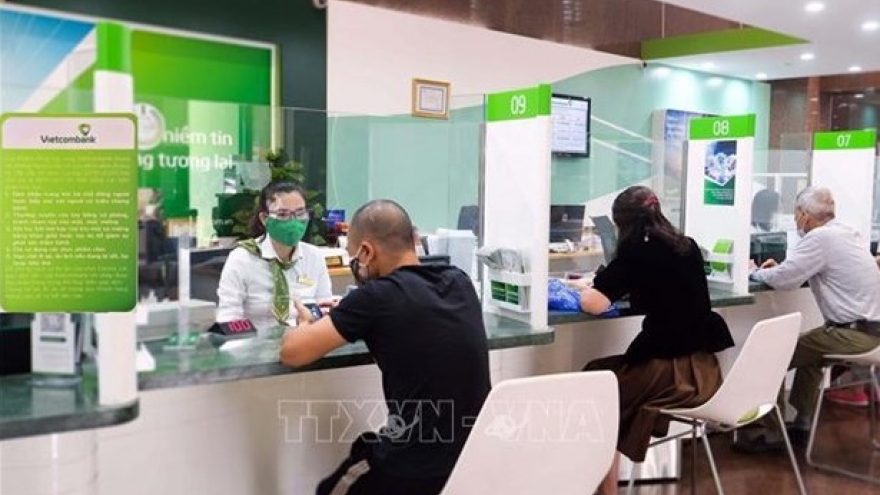
Major banks continue to reduce deposit interest rates
Deposit interest rates at four major banks of Vietnam have been adjusted sharply, down by 0.2-0.4% per year from the previous listings, bringing the rate to 2.2% per year at the lowest.

Central bank ceases bill issue amid increasing interbank interest rates
The State Bank of Vietnam (SBV) has ceased bill issue after nearly two months of using the channel to withdraw cash out of the banking system.

Central bank forecast to continue bill issuance amid abundant liquidity
The State Bank of Vietnam (SBV) will continue to issue new bills to withdraw cash from the banking system as liquidity is abundant and interbank interest rates remain low, analysts forecast.

Government proposes NA continue 2% interest rate support policy
The Government has proposed the National Assembly (NA) to allow it to continue the 2% interest rate support policy for enterprises, cooperatives, and business households.
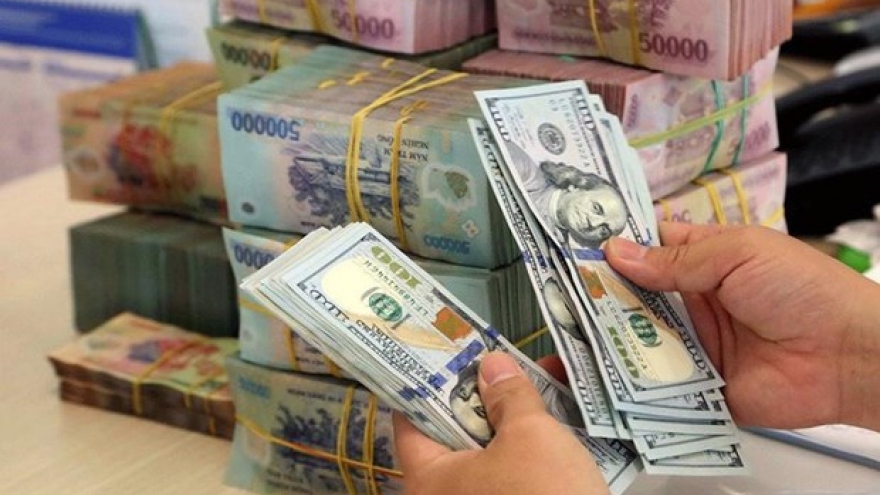
Monetary policy governance requires thorough consideration: official
As the governance of the monetary policy has to concurrently guarantee multiple targets, including reducing interest rates, expanding credit, stabilising foreign exchange rates, and ensuring credit institutions’ safety, thorough consideration is needed before any steps are taken, Deputy Governor of the State Bank of Vietnam (SBV) Dao Minh Tu.
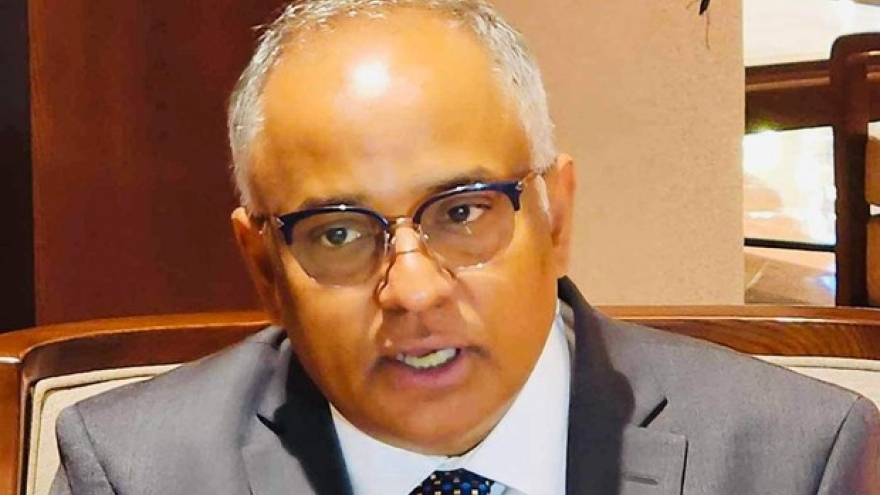
Public investment crucial for Vietnam’s economic growth: ADB director
Vietnam’s maintaining the momentum of public investment will be crucial because it will rejuvenate economic activities, generate employment, and enhance domestic consumption, said ADB Country Director for Vietnam Shantanu Chakraborty.
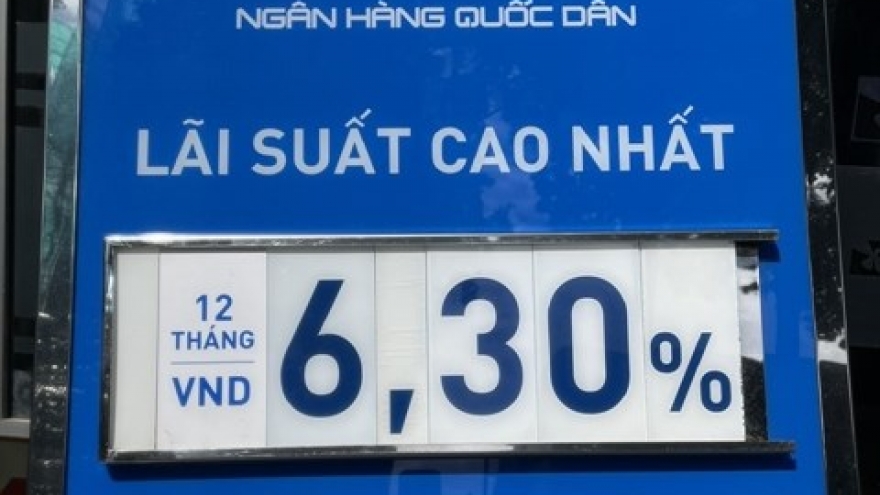
Race to lower deposit interest rates to continue until year end
The race to lower deposit interest rates among banks is expected to continue until the end of 2023, according to analysts.

State Bank of Vietnam issues US$409.9 million worth of T-bills
The State Bank of Vietnam on October 3 offered 28-day treasury bills (T-bills) worth VND10 trillion (US$409.9 million) through the interest rate auction mechanism.