
Tag: Digital Transformation

HCM City optimises digital transformation to enhances tourists’ experience
Ho Chi Minh City has identified the adoption of information technology and digital transformation as key strategies to enhance the visitor experience, facilitate tourism services, and drive economic growth in the tourism sector.

Vietnam’s digital shadow – war against high-tech crimes
Amidst Vietnam’s intensified efforts to promote digital transformation, experts have warned that rising cybercrime requires not only tougher law enforcement but also better public awareness and digital literacy to protect citizens and communities.
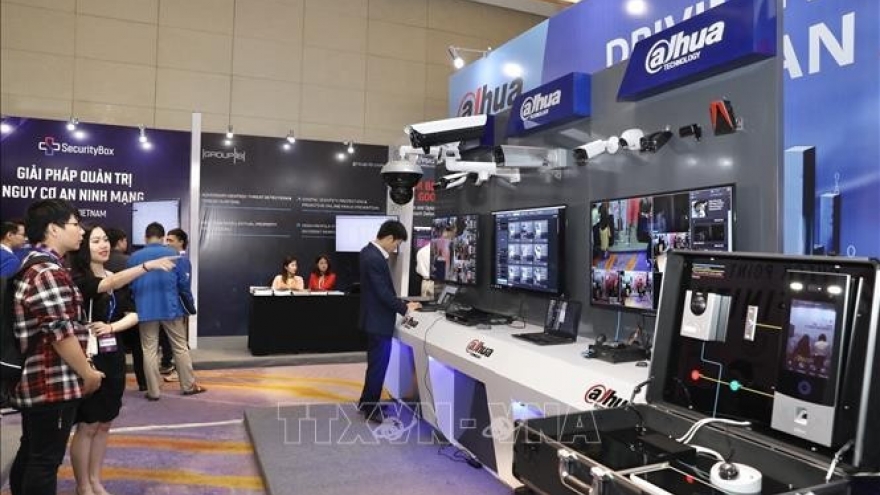
Hanoi Convention: Protecting the nation’s digital future
As global digital transformation accelerates, cybersecurity has become the shield safeguarding the gains of Vietnam’s national digitalisation drive.

Vietnam’s Digital Transformation Index rises 8.6% in 2024
Vietnam’s 2024 Digital Transformation Index (DTI) reached 0.7955, up 8.6% from 0.7326 in 2023, according to the Ministry of Science and Technology (MST).
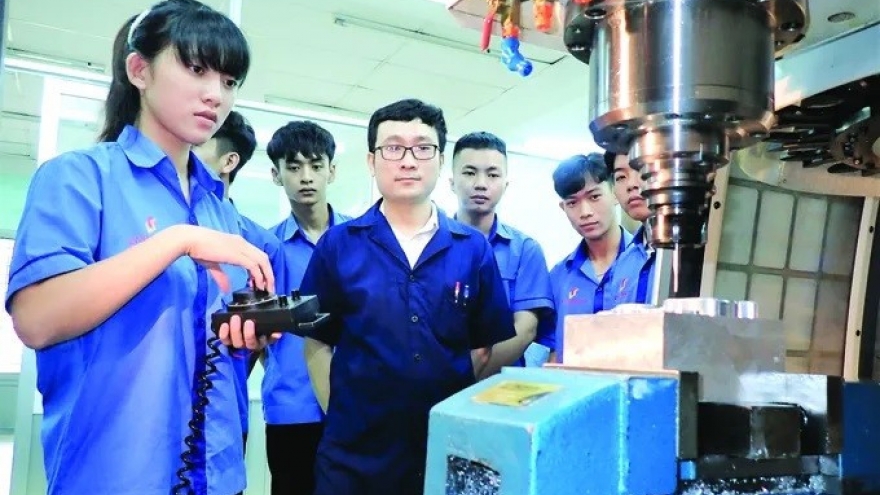
Building smart vocational schools through digital transformation
As Vietnam moves deeper into the digital era, the demand for a highly skilled workforce with digital competencies is growing.

Can Tho, RoK join hands to advance digital transformation and smart city development
VOV.VN - Leaders from the Mekong Delta city of Can Thơ on October 17 received a delegation from the Contents Convergence Software Research Institute under Kyonggi University of the Republic of Korea (RoK) to discuss orientations and promote bilateral cooperation in multiple areas, particularly digital transformation, science and technology, and smart city development.

23rd Vietnam int’l textile, garment expo opens in HCM City
The 23rd Vietnam International Textile and Garment Industry Exhibition (VTG 2025) opened on October 15 in Ho Chi Minh City.
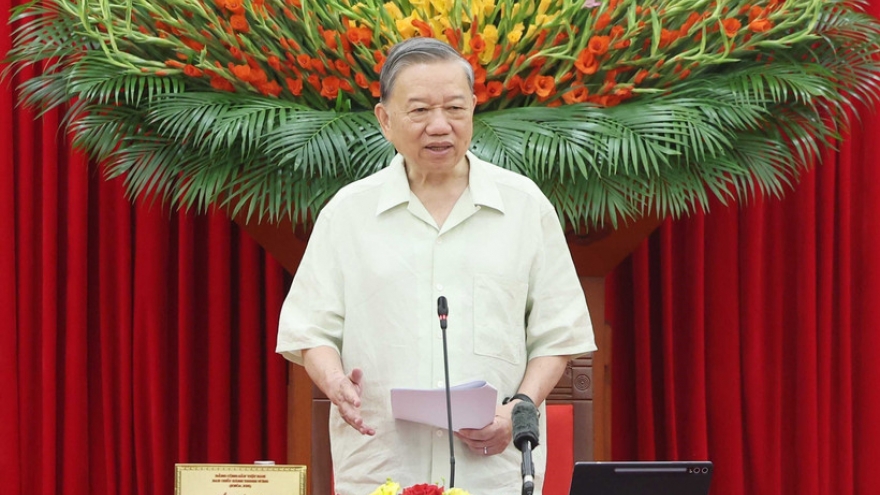
Party chief orders removal of bottlenecks in implementing Resolution 57
Removing institutional bottlenecks must be treated as the top-priority breakthrough task in promoting science and technology, innovation, and national digital transformation in the spirit of the Politburo’s Resolution 57, Party General Secretary To Lam stated at a meeting on October 15.
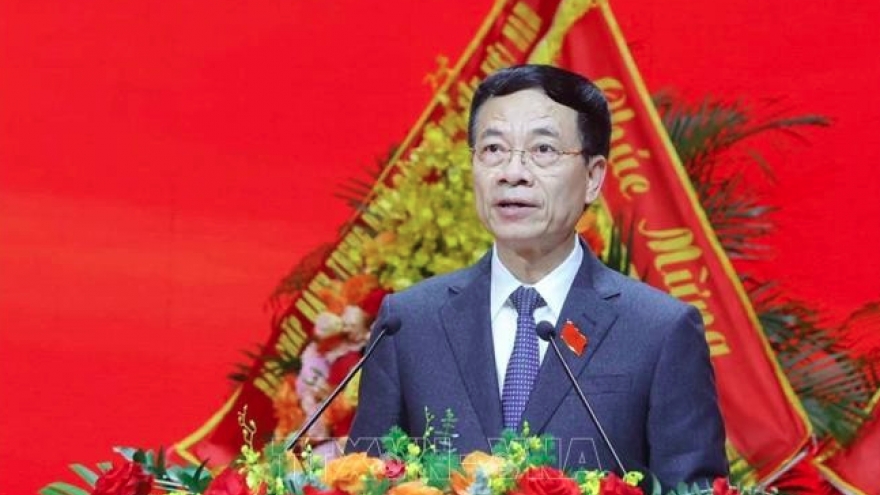
Science, technology, digital transformation – key drivers of national development
Science, technology, innovation, and digital transformation are set to become the central drivers of Vietnam’s sustainable growth in the coming decades, heard the first Congress of the Government’s Party Organisation on October 13.

NA’s Standing Committee pushes ahead digital transformation in tax management
The National Assembly (NA)’s Standing Committee continued its 50th session on October 13 afternoon to deliberate the revised bills on personal income tax and tax administration, highlighting comprehensive digital transformation in tax management.