
Tag: consumption

Food safety requested during Tet festival
Deputy Prime Minister Vu Duc Dam has requested the ministries of health, agriculture and rural development, industry and trade and People's Committees of provinces and cities work to ensure food safety during the Tet (Lunar New Year) holiday.
Imported beef grabs 70% of market share
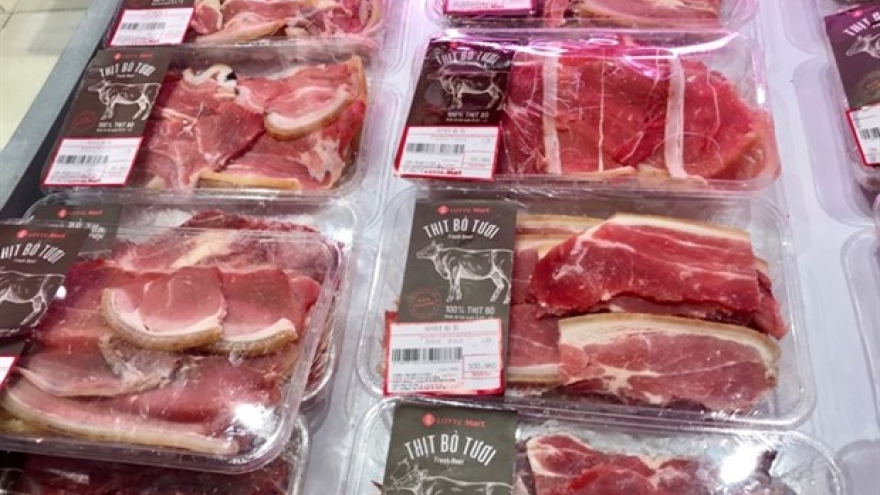
Vietnam imported 70% of its beef this year, with domestic beef accounting for only 30% of the market.
Hanoi aims to reduce greenhouse gas emissions
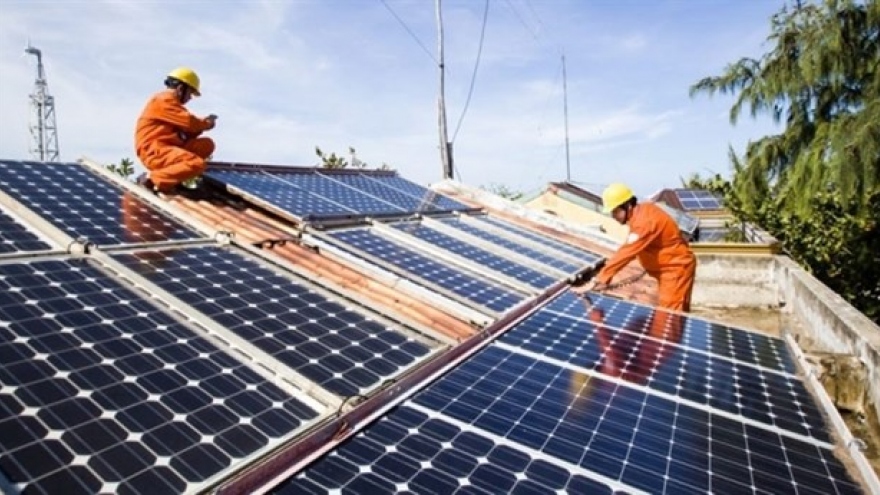
Hanoi will strive to reduce greenhouse gas emissions by 15% by 2030, according to local authorities.
Pork prices fall as Vietnam increases imports
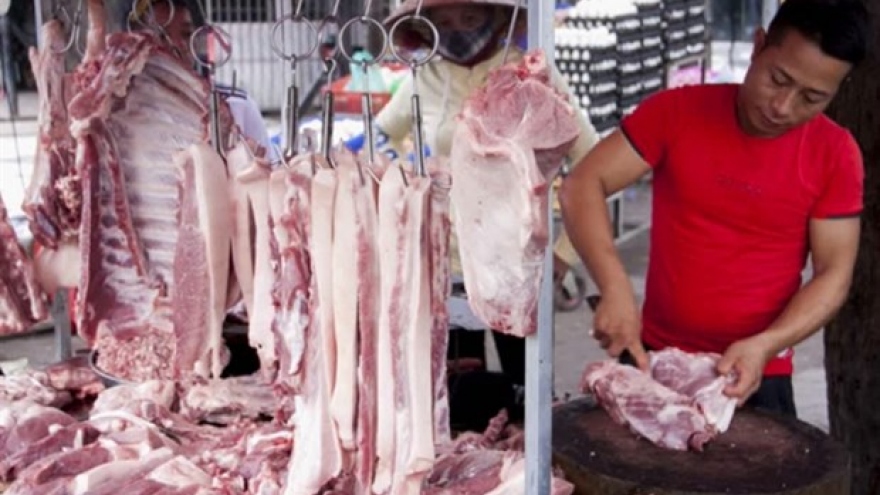
The imported pork and declining meat consumption have pushed pork prices down, helping stabilise the consumer price index.

Government issues plan to increase renewable energy use
Vietnam aims to raise its renewable energy sources to 15-20% of the total energy supply by 2030 and 25-30% by 2045.

Denmark supports Vietnam in campaign against food loss and waste
Total food losses in Vietnam are estimated at 8.8 million tons or US$3.9 billion in 2018, equivalent to 2% of Vietnam’s GDP or 12% of the country's agriculture value.
Falling in with local consumption habits
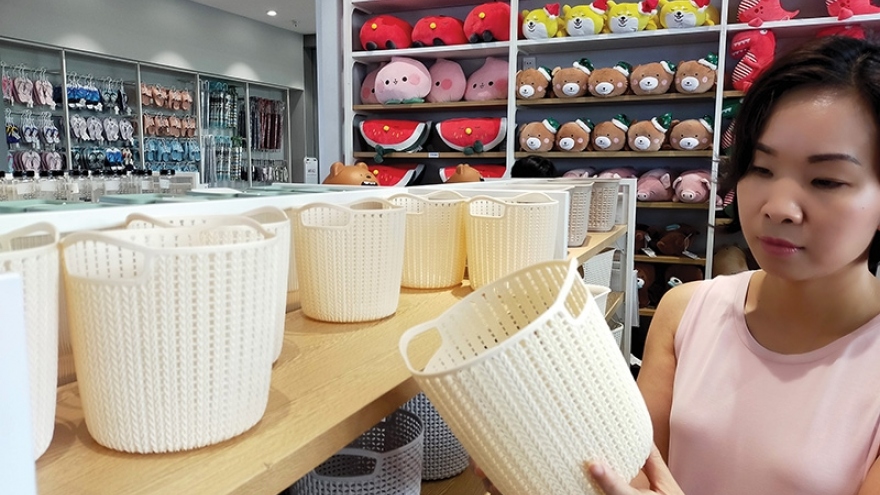
Ten years after the Vietnam-Japan Economic Partnership Agreement entered into force in 2009, with import tariffs removed already, Japanese consumer goods suppliers are looking into bolstering their presence in the Vietnamese market amid local and regional competition.
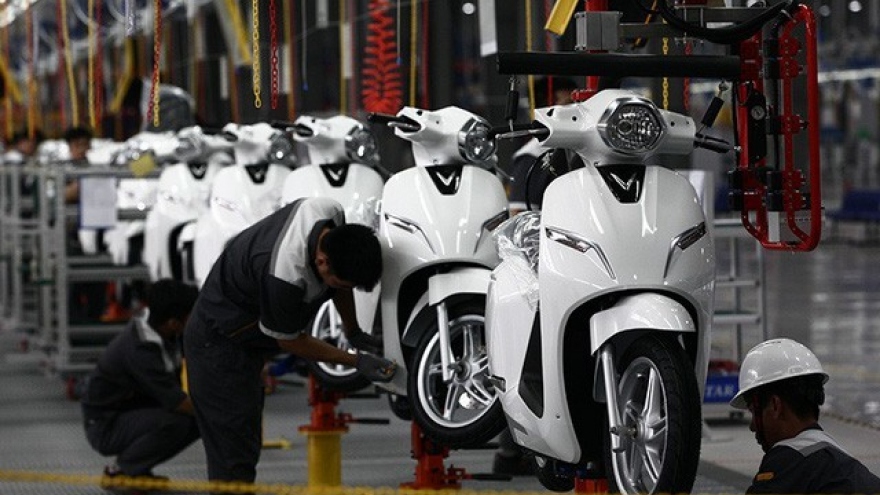
Vietnam second for motorcycle consumption in Southeast Asia
VOV.VN - Vietnam ranked second in terms of volume of motorcycle sales in Southeast Asia during the first half of the year with 1.249 million units, according to figures released by the website motorcyclesdata.com.

Local coffee sector set to capitalise on opportunities from EVFTA
VOV.VN - Vietnam's coffee industry is expected to enjoy tax incentives brought about by the implementation of EU-Vietnam Free Trade Agreement (EVFTA), especially as the EU market accounts for approximately 30% of global coffee consumption.
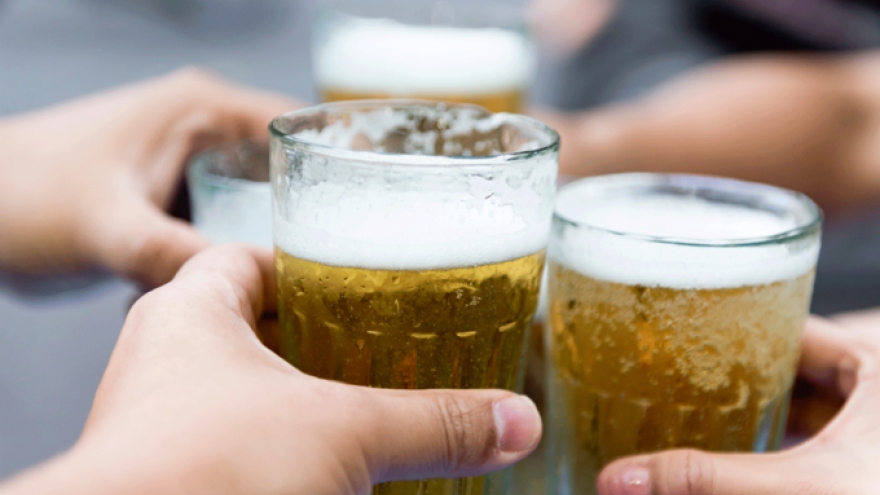
Beer companies enjoy recovery
Better second quarter figures could indicate that the most challenging period for beer makers this year could have ended, a report says.