
Tag: Cashless payments
Vietnam to build ‘integrated payment ecosystem’ to promote cashless payments
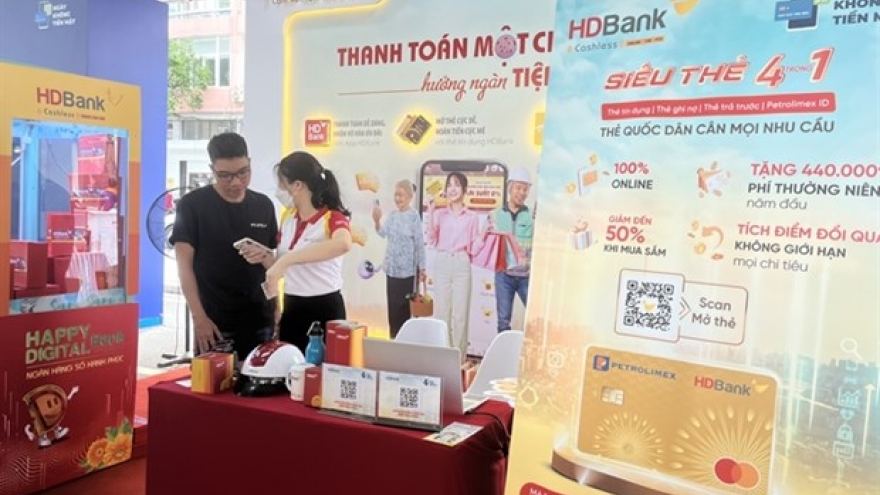
With emerging technologies such as AI and blockchain, Vietnam has the ability to leverage data connectivity to create ‘an integrated payment ecosystem’ to promote cashless payments, experts said at a recent meeting in HCM City.
Average payments via banks reach US$40 billion a day: insider
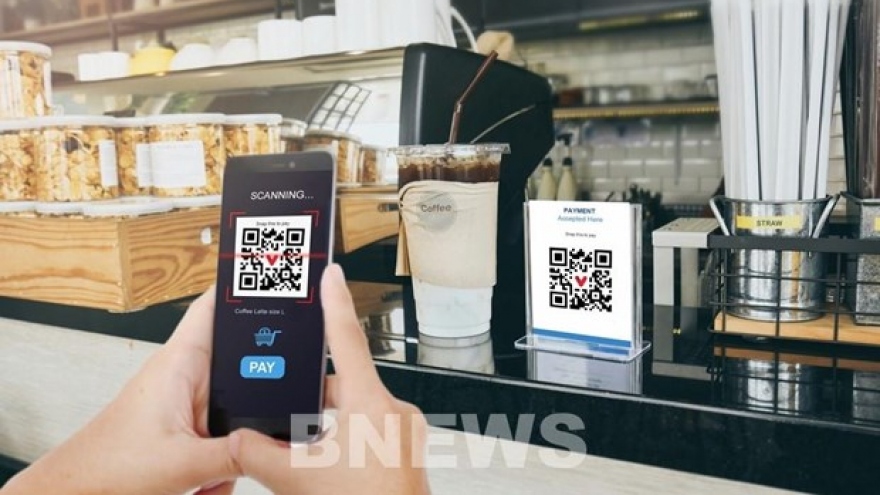
Cashless payments are developing rapidly in Vietnam, especially after the COVID-19 pandemic, with transactions via banks averaging US$40 billion per day, according to Pham Anh Tuan, Director of the State Bank of Vietnam (SBV)’s Payment Department.

Central bank demands stronger promotion of cashless payment
The State Bank of Vietnam (SBV) has requested banks, branches of foreign banks, and providers of intermediary payment services to take steps to continue promoting cashless payment and the implementation of the national digital transformation programme.
All of administrative procedures in banking sector to be handled online
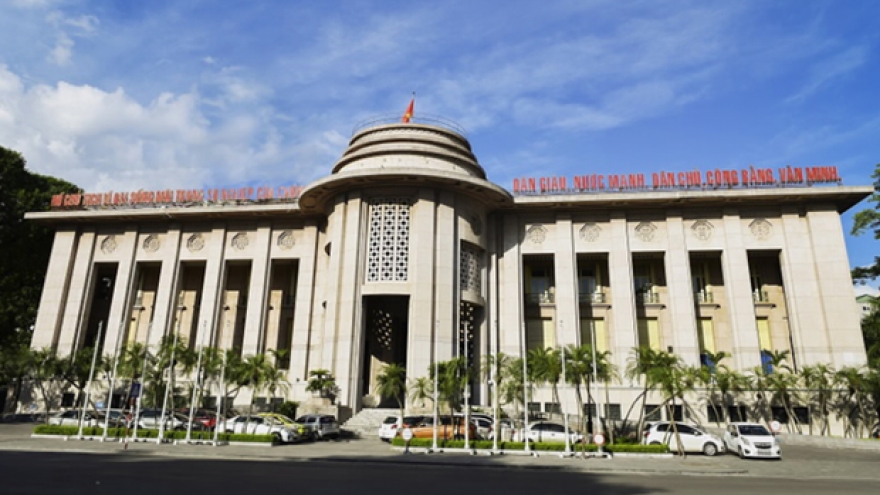
The State Bank of Vietnam (SBV) has issued a decision on digital transformation plan in 2022, under which all of the administrative procedures are to be handled online.
1.1 million users of Mobile Money service nationwide
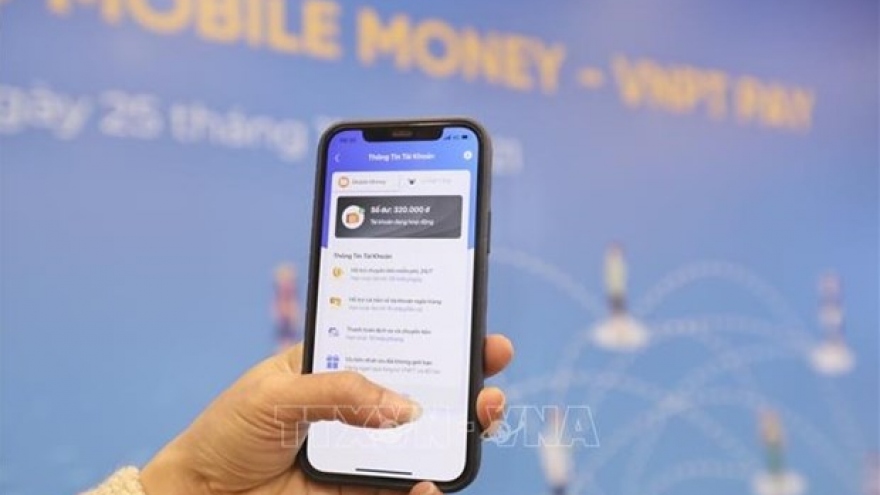
As many as 1.1 million people have so far used Mobile Money service, including nearly 660,000 in rural, mountainous, remote, border and island areas.
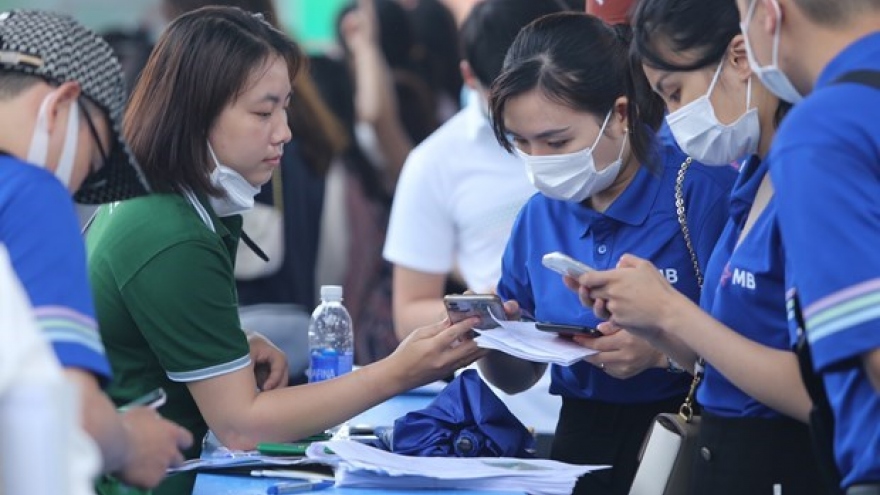
Second Vietnam Card Day introduces new tech
The second Vietnam Card Day was launched in Hanoi on April 16 with the theme of “Leading the way”.
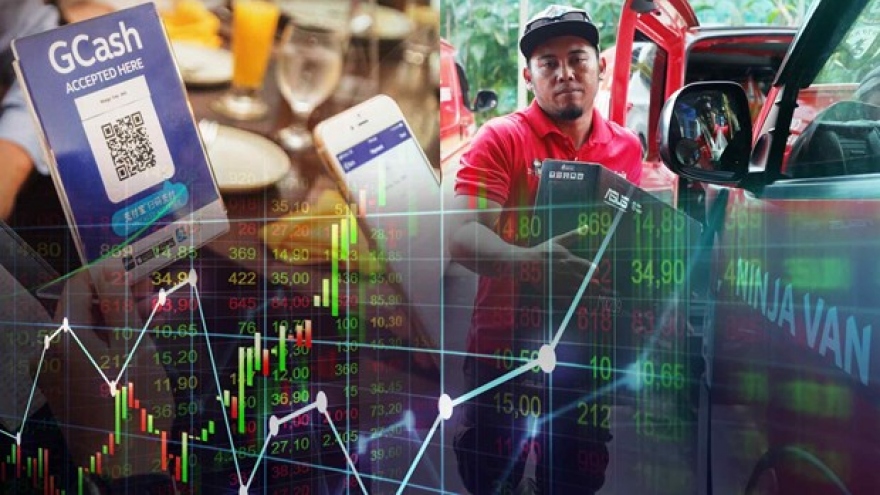
Investment funds pour more money into Vietnamese startups
A record of over US$1.3 billion was poured into Vietnamese startups in 2021 despite the complicated developments of the COVID-19 pandemic, helping the country rank third in the group of the most dynamic innovative startup ecosystems in Southeast Asia, only after Indonesia and Singapore.

Cashless payment for restaurant, catering services on the rise
Cashless payment has become more popular in all sectors, including restaurant and catering services, according to Winnie Wong, Mastercard’s Country Manager for Vietnam, Cambodia and Laos.
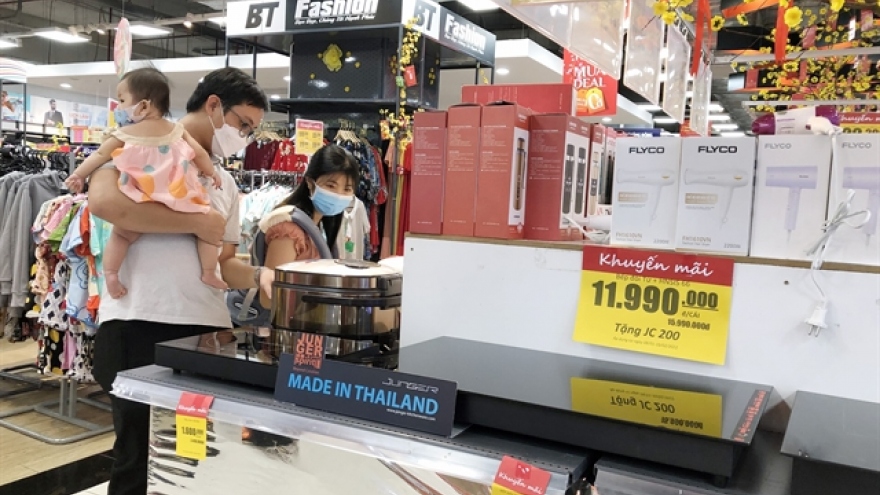
Vietnamese retail industry set to bounce back
Despite low growth in 2021, the local retail industry is still considered full of potential and will continue to explore areas for new growth.
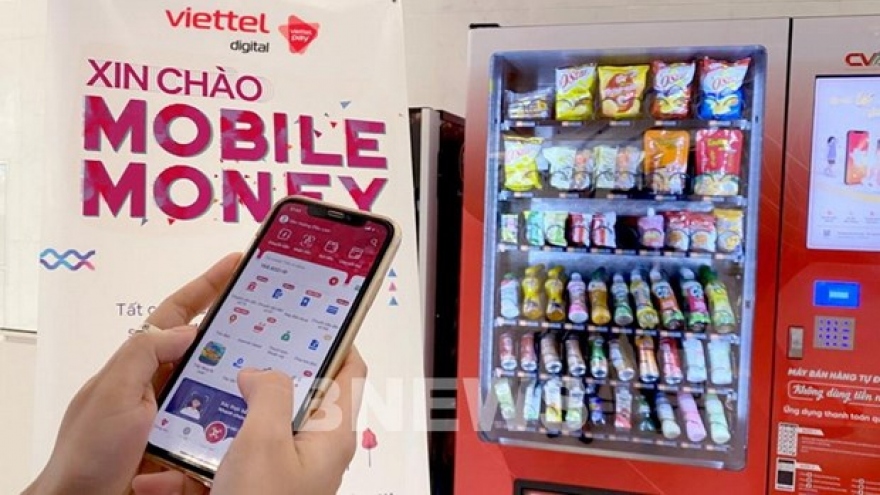
Over 463,000 users of Mobile Money service reported nationwide
More than 463,000 people have used Mobile Money as of February 11, over one month after the Viettel Military Industry and Telecoms Group (Viettel) and the Vietnam Posts and Telecommunications Group (VNPT) launched the cashless payment service.