
Tag: nùng
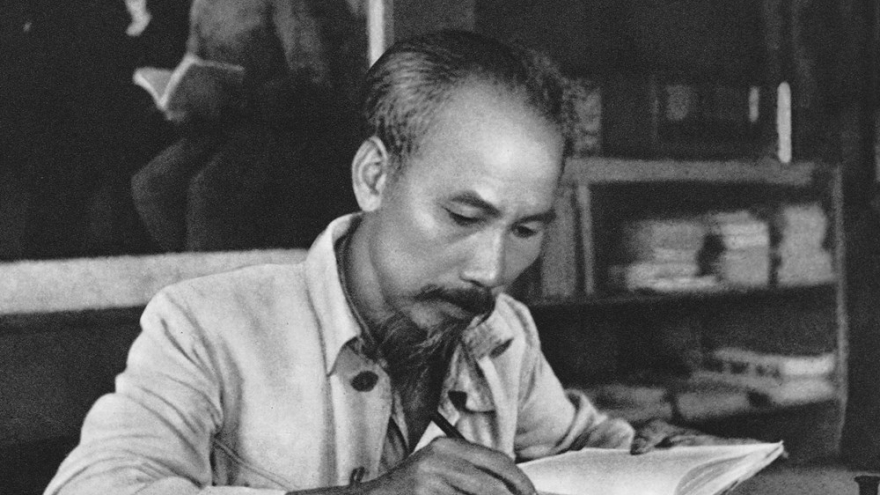
Activities at Village for Ethnic Culture honour President Ho Chi Minh
A series of cultural and tourism activities themed “Uncle Ho in the hearts of the people” is running from May 3 - 31 at the Vietnam National Village for Ethnic Culture and Tourism in Doai Phuong commune on the outskirts of Hanoi.
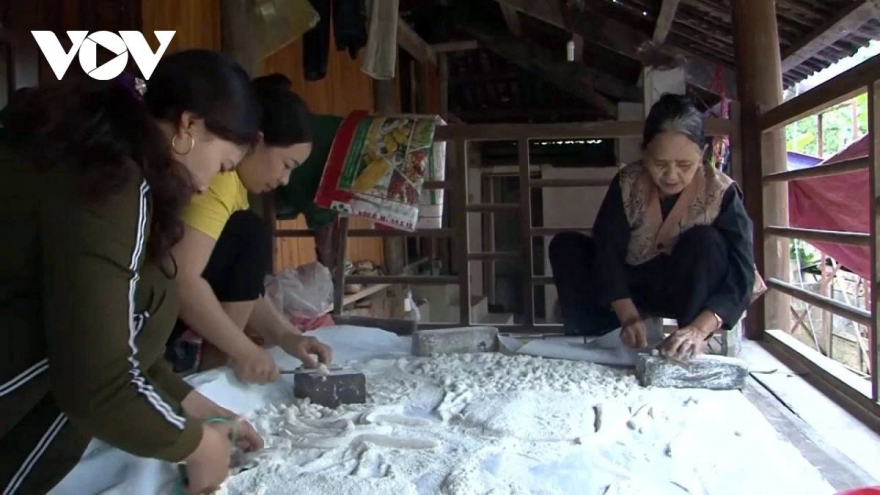
Khau Sli cake: A traditional Tet delicacy of Tay and Nung ethnic groups
VOV.VN - Sli cake of the Tay and Nung ethnic people is a beloved Lunar New Year (Tet) specialty from Thai Nguyen province northern Vietnam, blending puffed sticky rice, cane syrup, and centuries-old tradition.
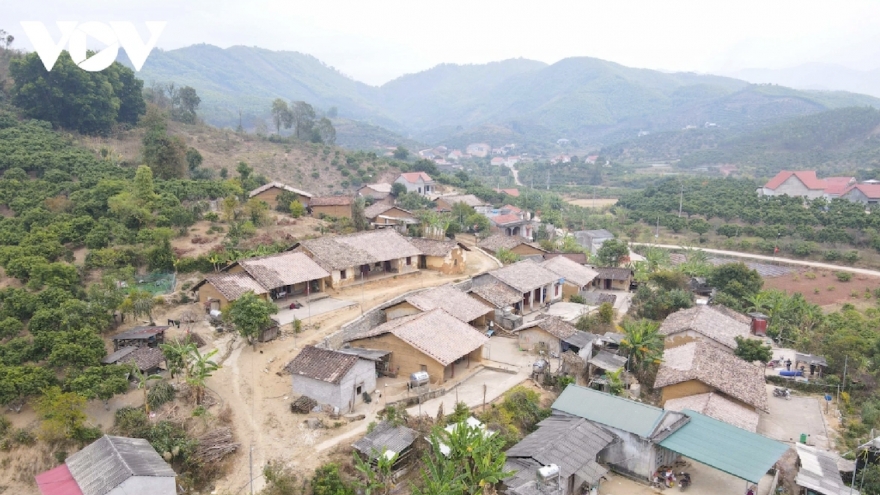
Bac Hoa village – A rustic beauty in the Northern Highlands
VOV.VN - Nestled in Tan Son commune, Bac Ninh province, Bac Hoa village is home to the Nung ethnic community, where centuries-old rammed-earth houses with yin–yang tiled roofs preserve a distinctive cultural landscape.
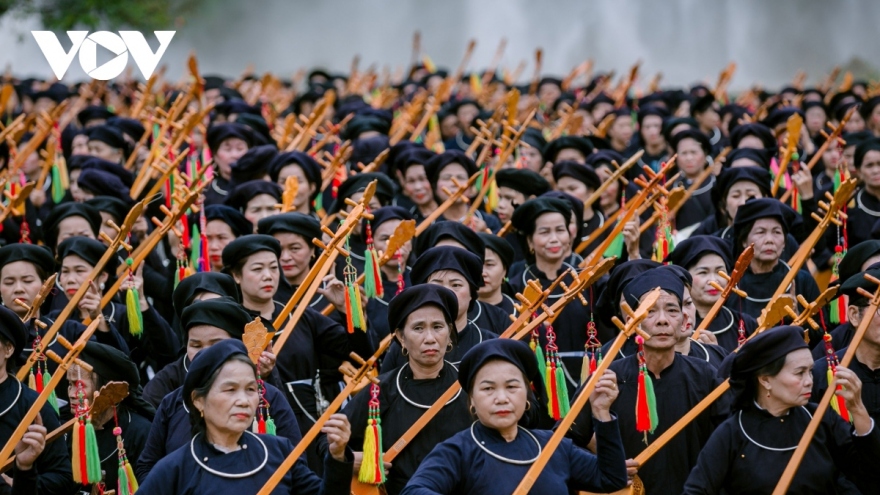
Festival to celebrate ethnic Then singing and Tinh musical instruments
VOV.VN - Artists nationwide will gather to celebrate the seventh festival of the traditional Then singing and Tinh musical instrument of the Tay, Nung, and Thai ethnic groups, which will take place from November 15 to November 17 in the Vietnam National Village for Ethnic Culture and Tourism on the outskirts of Hanoi.
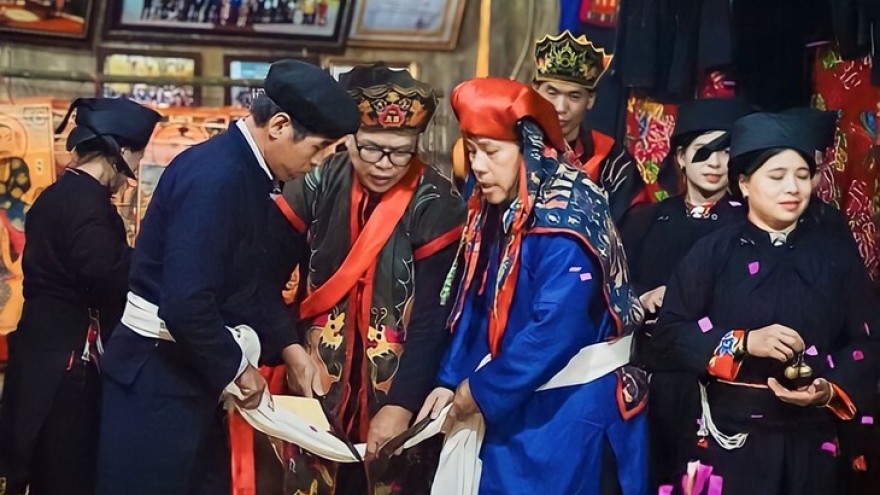
Longevity ritual of the Nung in northern Vietnam
VOV.VN - "Tài khoăn", which means “Longevity ritual” in the Nung language, is held on one’s birthday or in the spring, at the beginning of the year.
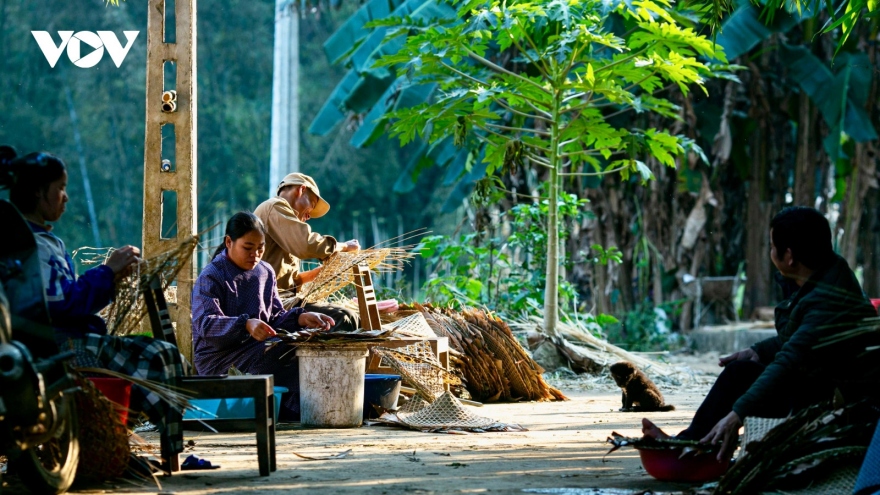
Nung An ethnic people preserve unique craft of making conical hats
VOV.VN - The Nung An ethnic people in the northern mountainous province of Cao Bang have preserved their unique craft of making conical hats for years.
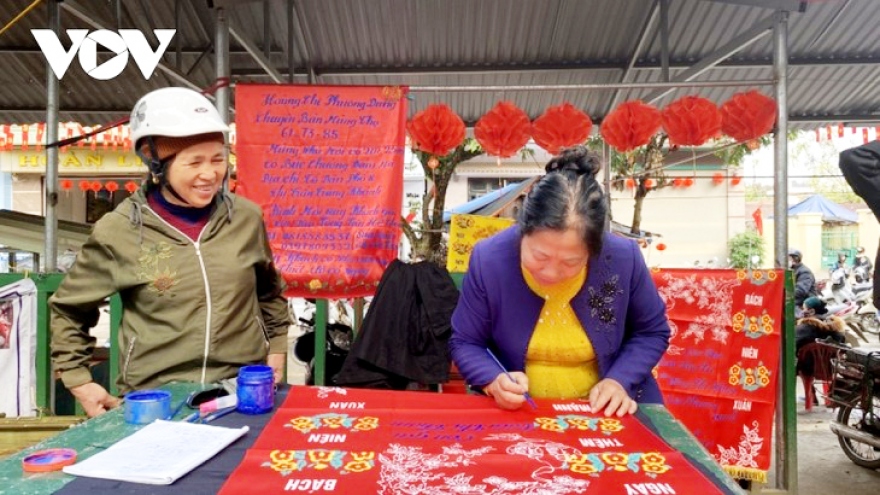
Banner hanging of the Tay, Nung ethnic people
VOV.VN - The Tay and Nung ethnic people in Cao Bang, a province in northern Vietnam, have treasured a custom of hanging a banner to celebrate the longevity of their grandparents and parents.
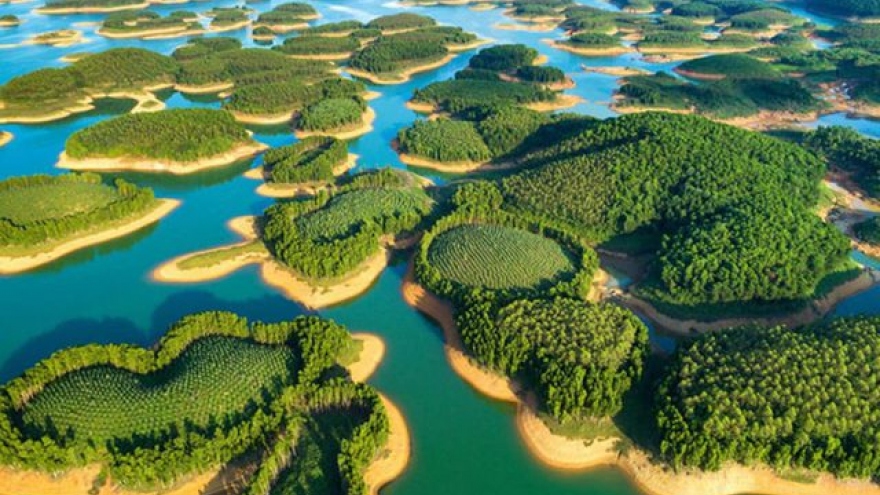
10 most beautiful lakes nationwide
VOV.VN - Vietnam is home to a range of beautiful lakes, including natural lakes and lakes formed by dams to generate electricity. Let’s take a look at the nation’s 10 most beautiful lakes as complied by travel agency Local Vietnam.
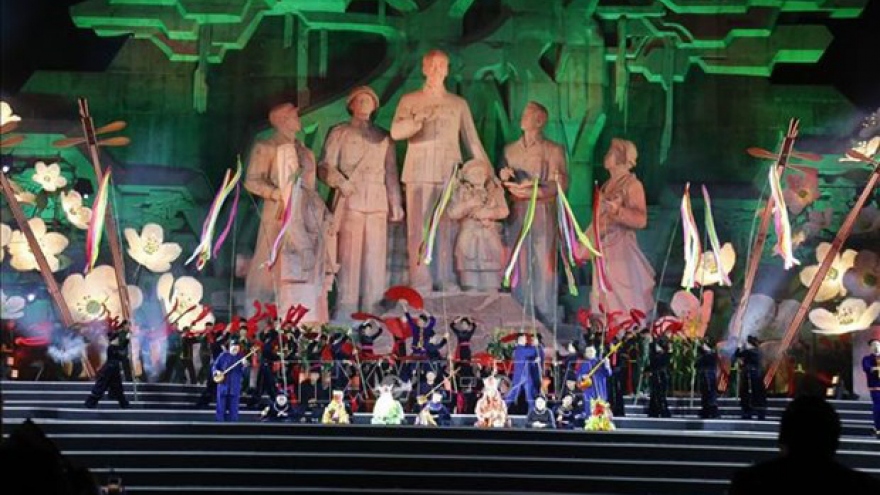
Practices of Then recognized as intangible cultural heritage of humanity
A ceremony was held in the northern province of Tuyen Quang on September 3 night to receive a UNESCO certificate accrediting Practices of Then by Tay, Nung and Thai ethnic minority groups in Vietnam as an intangible cultural heritage of humanity.
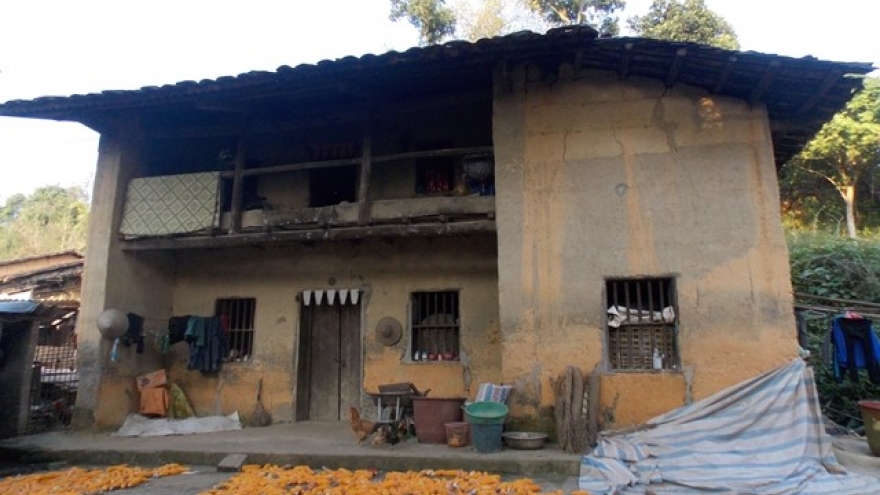
Traditional house of the Nung in Lao Cai
VOV.VN - The Nung, the second biggest ethnic minority group in Si Ma Cai district of Lao Cai province, live in earthen houses, which are not only a shelter but also a place that maintain many traditions and customs.