Khau Sli cake: A traditional Tet delicacy of Tay and Nung ethnic groups

VOV.VN - Sli cake of the Tay and Nung ethnic people is a beloved Lunar New Year (Tet) specialty from Thai Nguyen province northern Vietnam, blending puffed sticky rice, cane syrup, and centuries-old tradition.
As Lunar New Year approaches, kitchens in the mountainous communities of Thai Nguyen province fill with the warm aroma of freshly harvested sticky rice and sugarcane molasses. For the Tay and Nung ethnic groups of northern Vietnam, this signals the making of Khau Sli cake, a traditional puffed sticky rice cake deeply woven into their cultural heritage.
More than just a festive treat, Khau Sli represents memory, identity and ancestral tradition.
A traditional Vietnamese rice cake made for Tet
Khau Sli (literally puffed rice cake in the Tay language) is crafted from carefully selected glutinous rice harvested at the end of the farming season. The rice is often hung above the kitchen hearth to dry and absorb the subtle smoky fragrance of wood fire before being processed for Tet.
“We wait until the days just before Tet to make the cake, as if preserving the essence of the land and sky for the new year,” explains Ly Thi Huyen, a long-time Khau Sli maker in Na Ri commune.
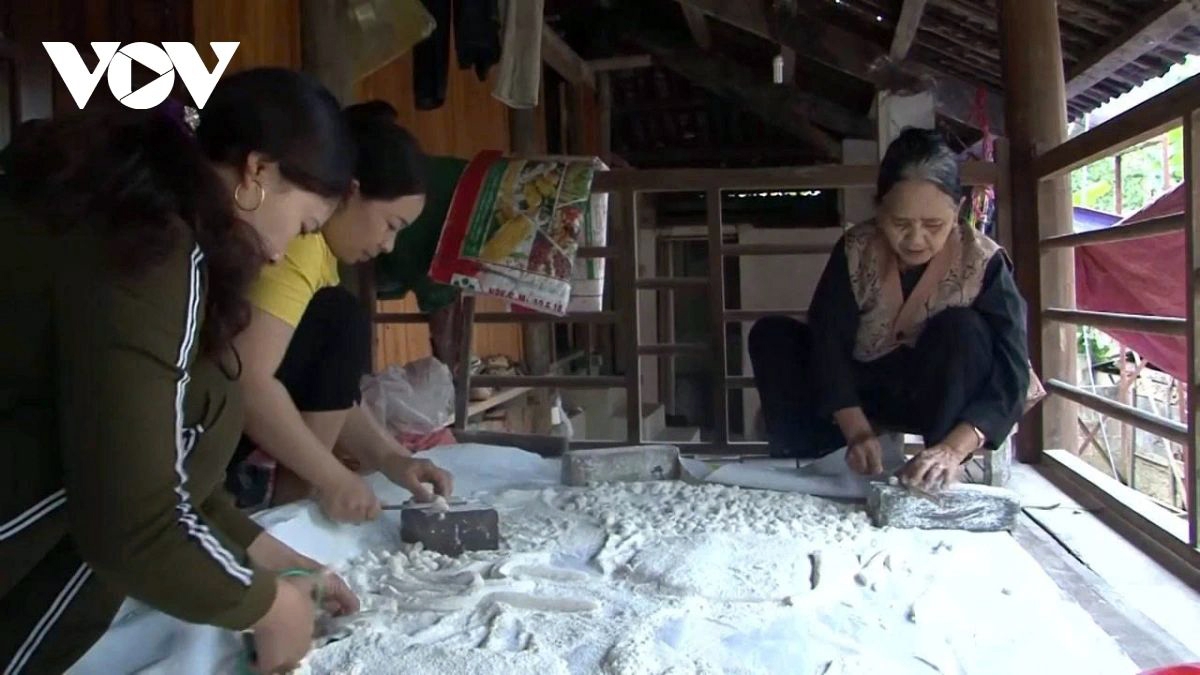
The rice must be whole, plump and unbroken. After soaking and steaming in a wooden steamer, it is pounded and roasted until it expands into light, crispy grains. The puffed rice is then mixed with thick sugarcane molasses and pressed into molds to form rectangular slices.
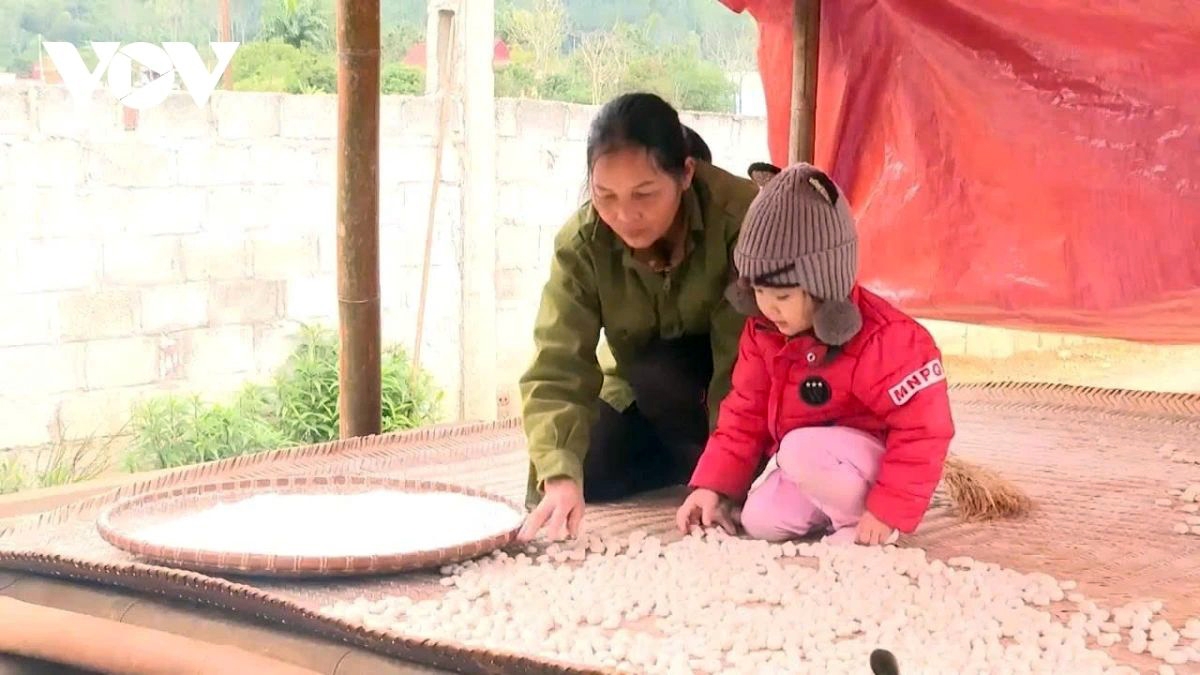
“The cake should be crispy but not hard, sweet but not sharp. Most importantly, it must carry the fragrance of sticky rice,” Huyen notes.
Two main varieties exist: Khau Sli bong (puffed) and Khau Sli phong (expanded and pounded). The latter requires even more intricate preparation, sometimes taking up to a week to complete.
From ritual offering to local specialty product
Traditionally, Khau Sli is an essential offering during Tet ceremonies. Families present it to ancestors and local deities, praying for good harvests, favourable weather and prosperity in the coming year.
“In the past, every household made Khau Sli for their own family,” recalls Hoang Thi Dieu, who has practiced the craft for nearly 50 years. “Now many people order it, but the process still requires patience and care.”
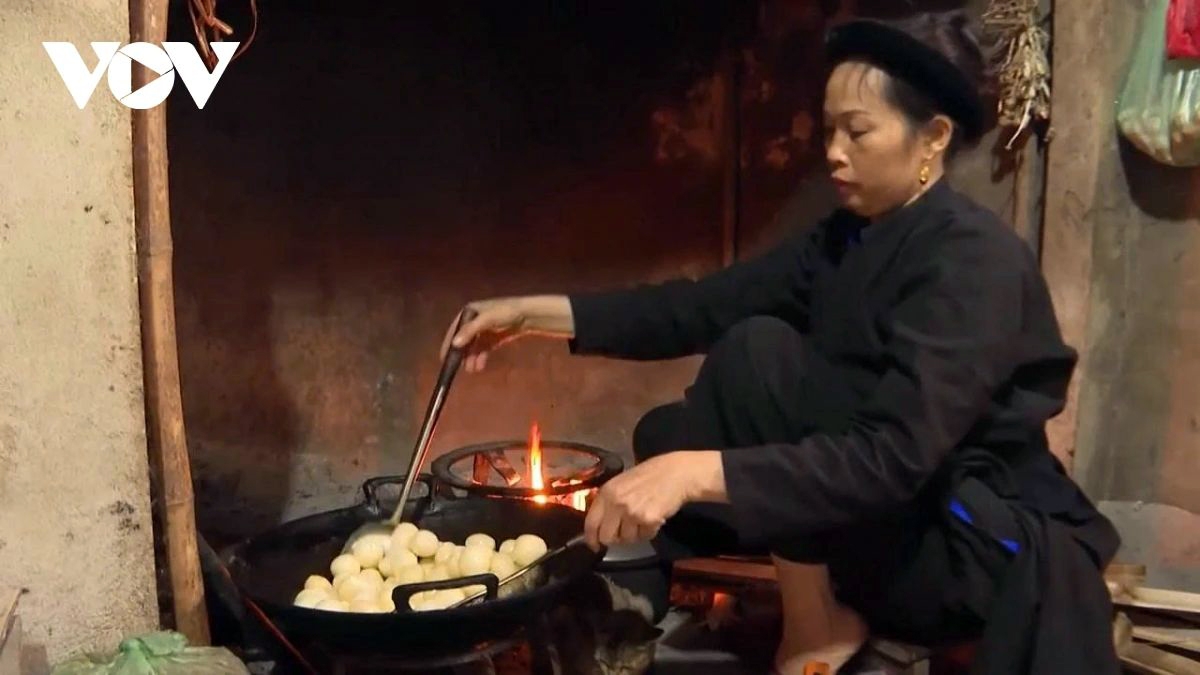
Today, more than 30 households in Na Ri commune continue producing Khau Sli, not only for family use but also for sale. With prices ranging from VND100,000 to 120,000 per kilogram, the cake provides a meaningful source of seasonal income during Tet.
At year-end markets, amid modern packaged sweets, these handmade rice cakes remain a popular choice.
“People love it because it’s made entirely from natural ingredients - rice and molasses. The taste is familiar and comforting,” says Trieu Thi Nga, a customer at a local Tet market.
Preserving cultural identity through food
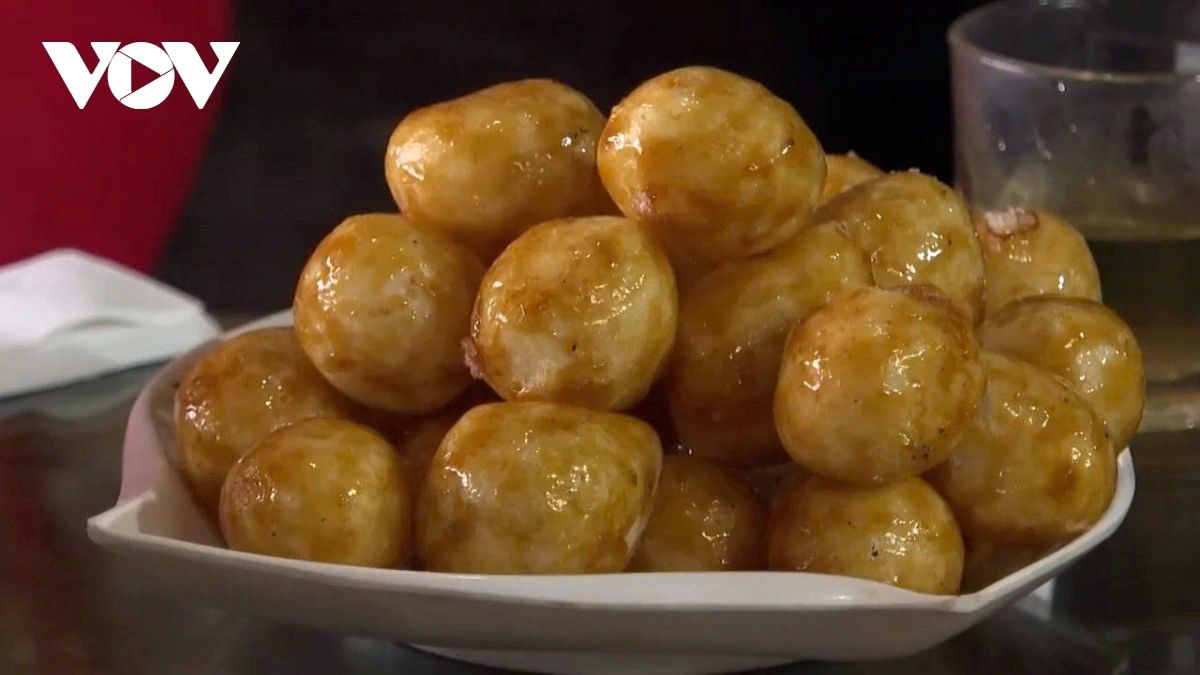
Despite the abundance of modern confectionery, the Tay and Nung ethnic people in Thai Nguyen continue to make Khau Sli every Lunar New Year. The cake embodies more than flavour, it preserves the warmth of the hearth, the rhythm of mountain life and the communal spirit of preparing Tet together.
For these ethnic communities, Khau Sli is not simply a dessert. It is a living tradition, the one that carries the fragrance of new rice, the sweetness of molasses and the enduring cultural identity of Vietnam’s northern highlands.
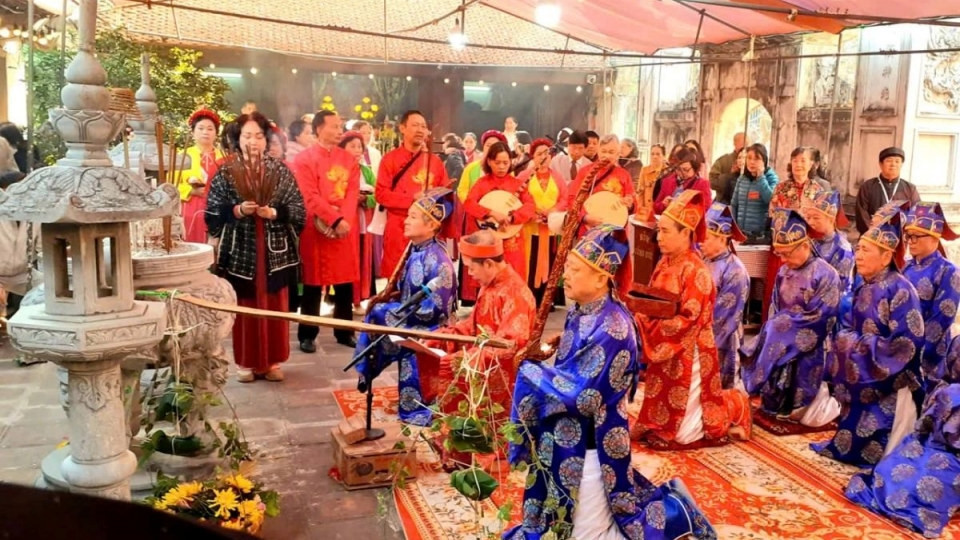
Old Tet traditions live on in Hanoi’s historic Ngoc Ha village
VOV.VN - In the collective memory of Hanoians, Lunar New Year (Tet) in Ngoc Ha flower village was once a season of blossoms, sleepless nights tending chrysanthemums and peach trees, and families gathering around wood fires to boil bánh chưng (traditional Tet cake) through the winter chill.